
Last updated November 16, 2026
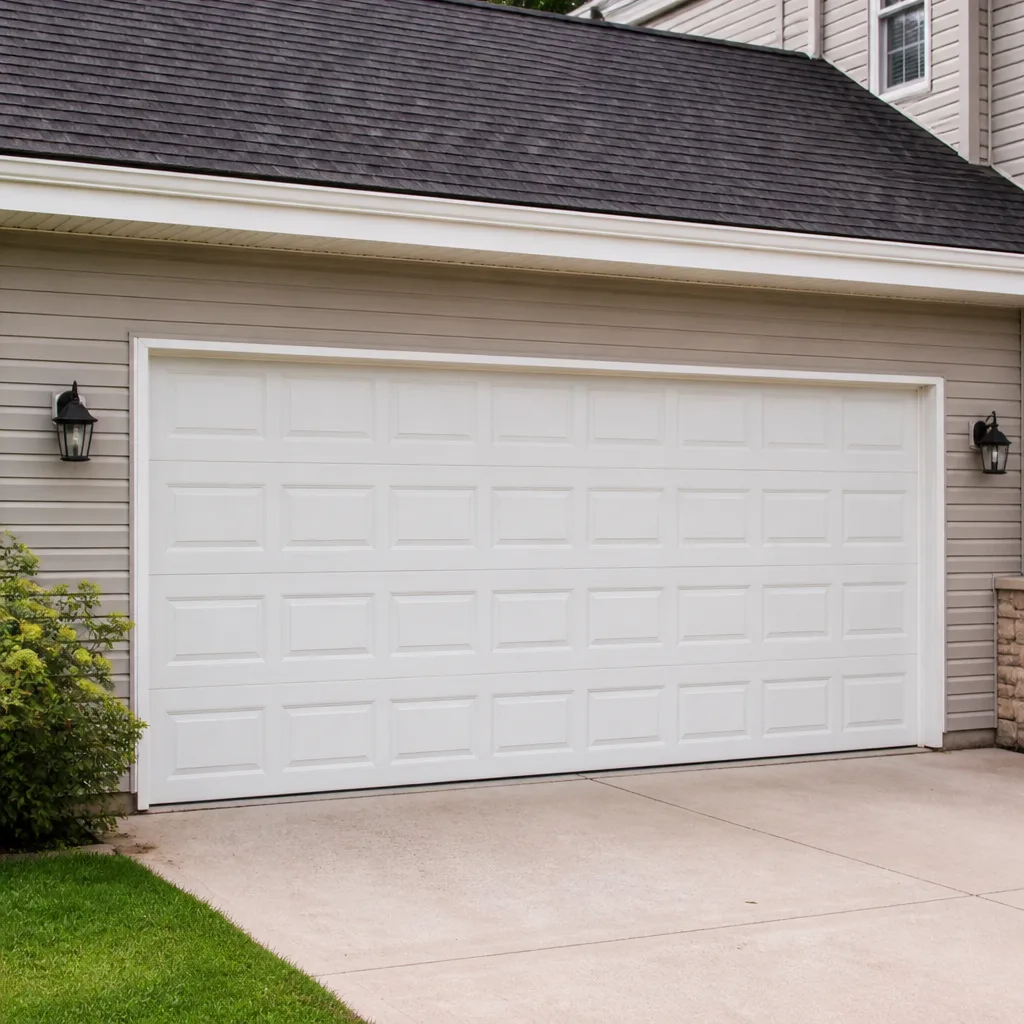 Raised-panel steel
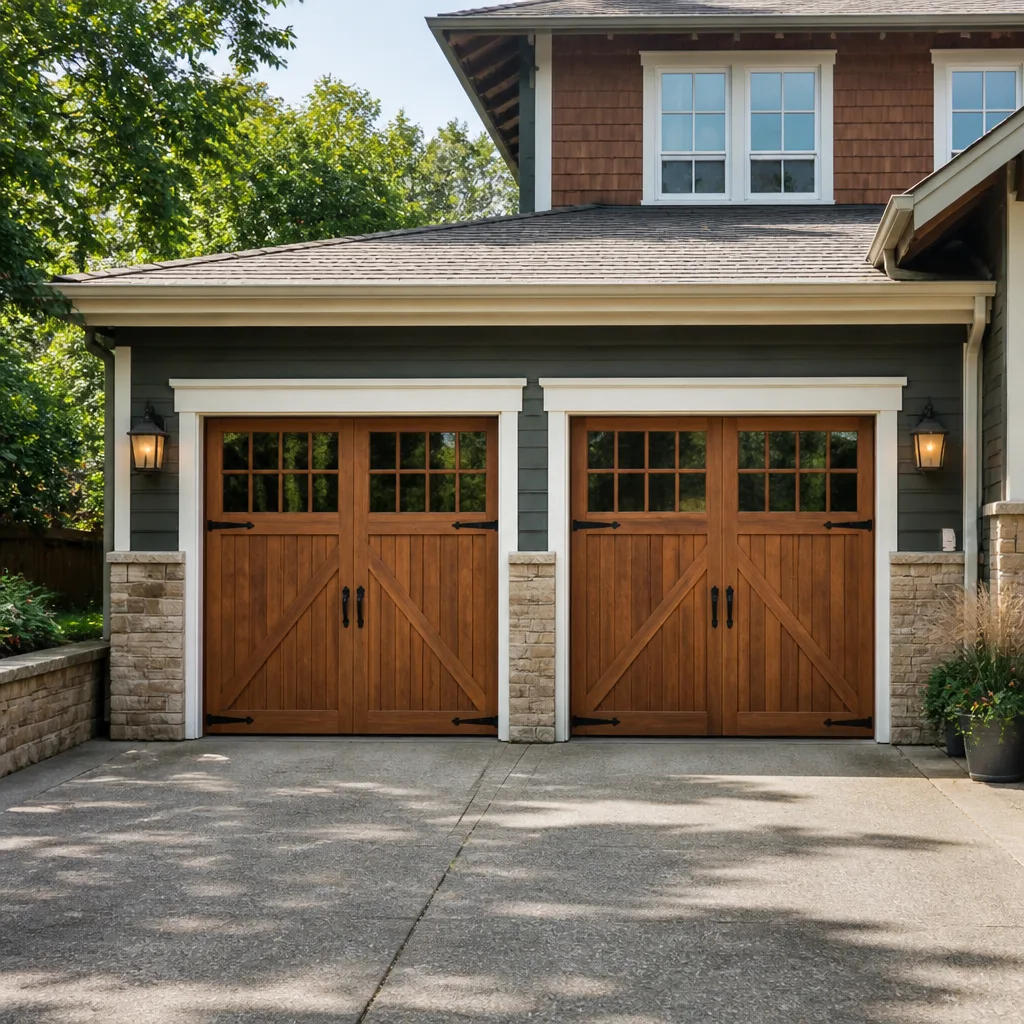 Carriage house
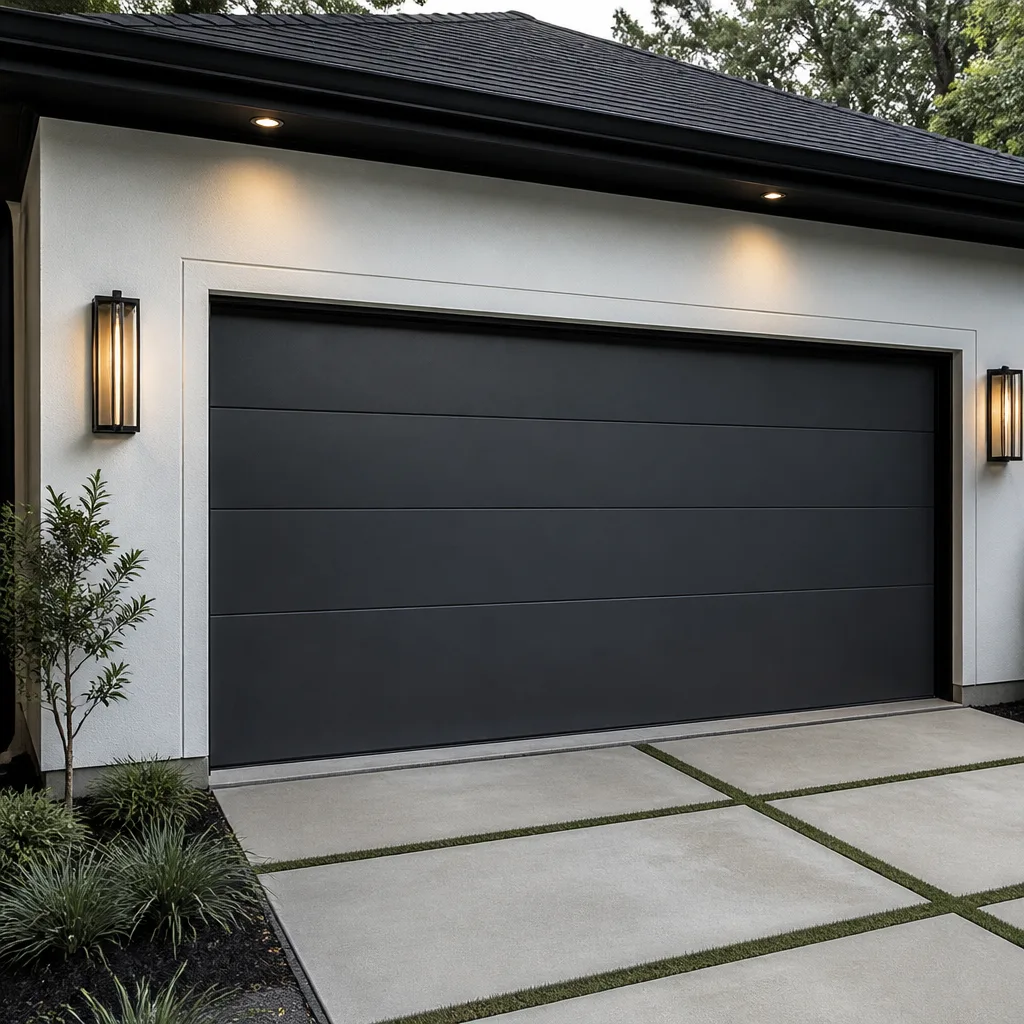 Modern flush
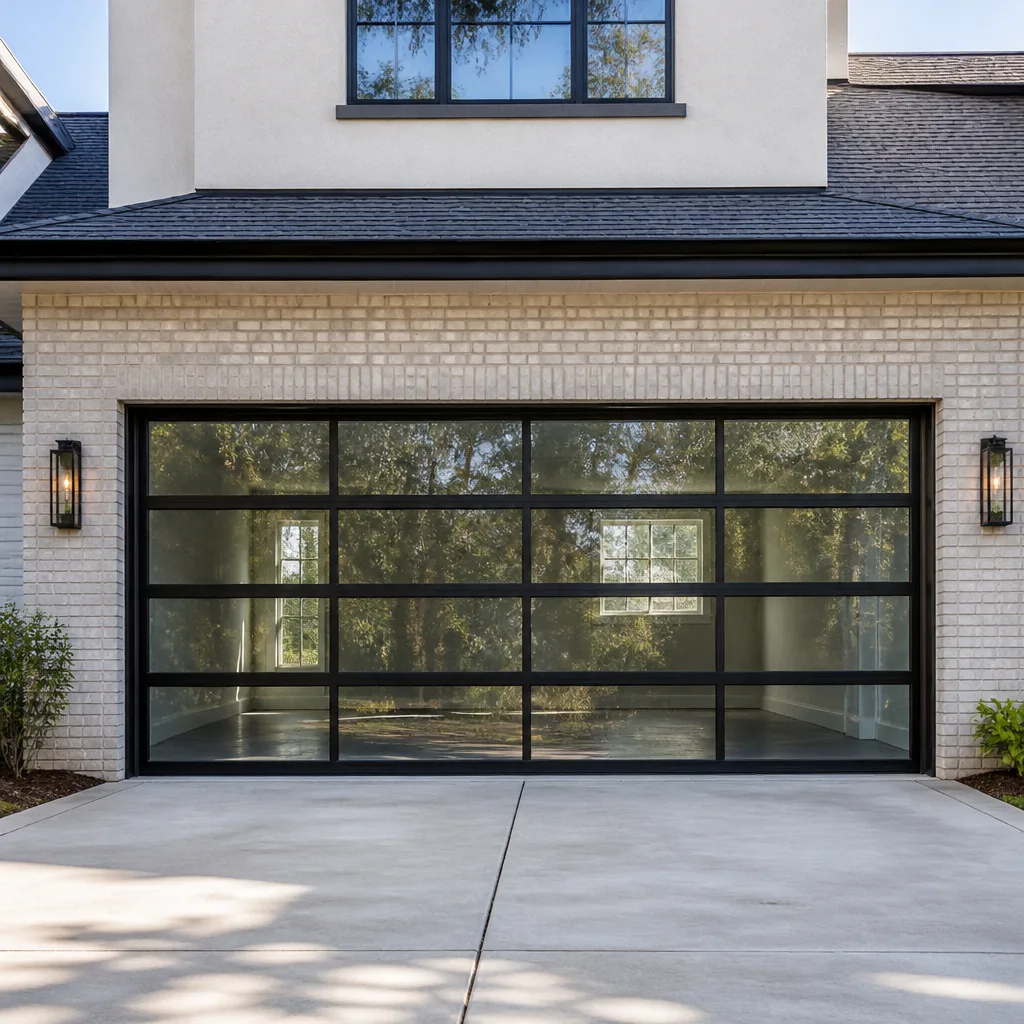 Full-view glass
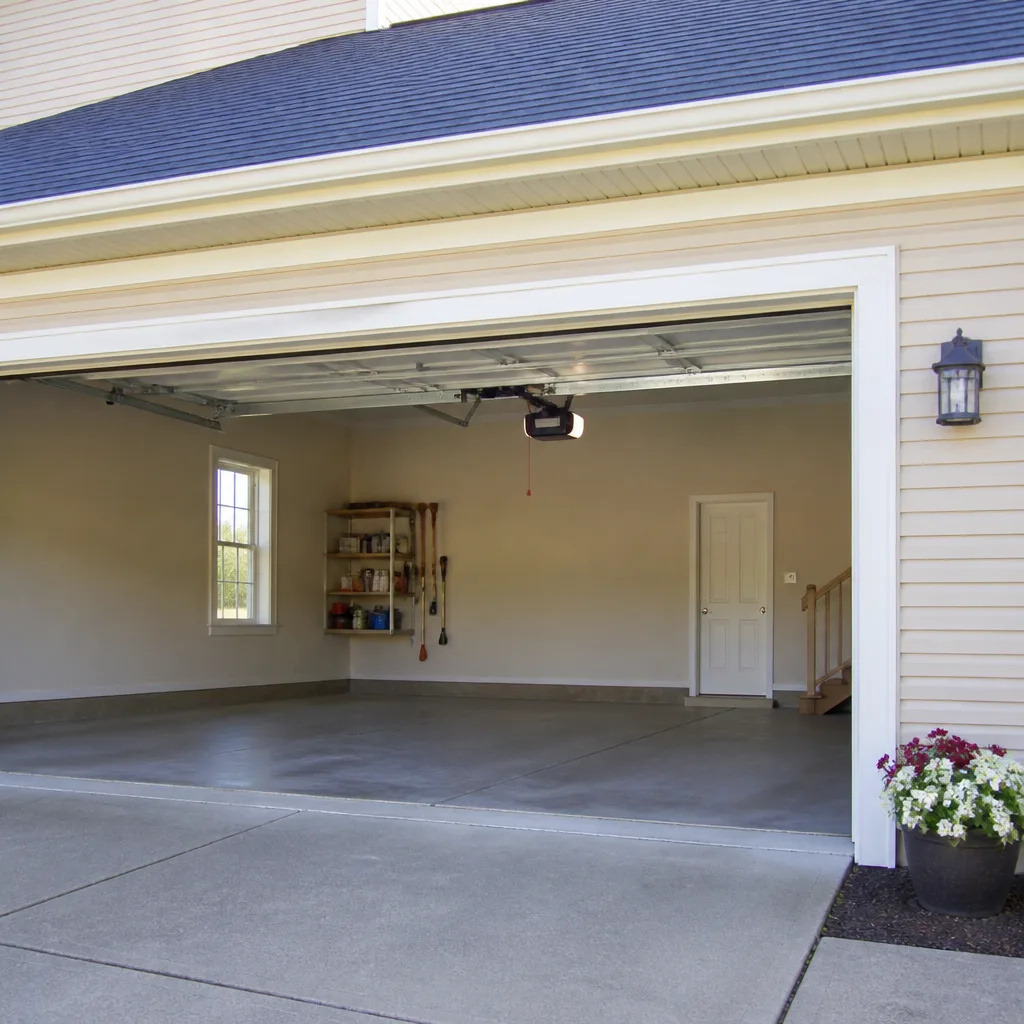 LiftMaster openers
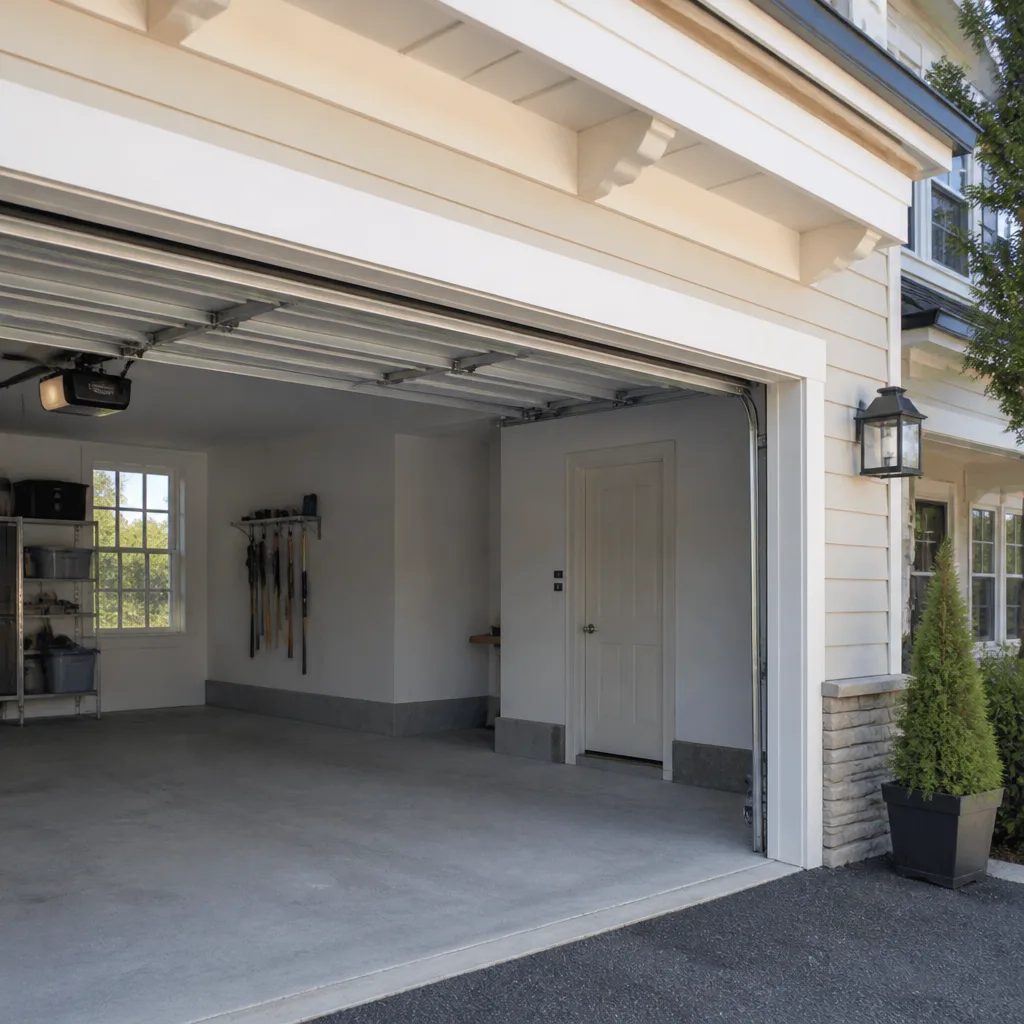 Chamberlain openers
Full 25-point door and opener safety check with every visit - springs, cables, rollers, tracks, and your LiftMaster or Chamberlain opener included
You get a price before we start. It does not change when the pro arrives.
Get your free estimateGarage Door Warning Signs: A Durham Homeowner’s Reference Guide
A garage door doesn’t snap, seize, or come down crooked without telling you first. It warns you for weeks, sometimes months, through symptoms most homeowners file away as “just getting old.” A shudder that wasn’t there last spring. A door that hesitates a half-second before rising. A thin sliver of daylight along the top corner when the door is shut. Those weeks are your window to fix a cheap problem before it becomes an expensive one, and in our experience writing repair orders around Durham, the doors that fail hardest are almost always the ones whose owners ignored the quiet early signals. This guide is built backward from what actually fails: we map each subtle symptom to the specific mechanical cause it points to, so you can recognize what your door is telling you and act on it.
Styles & brands we work with
- Raised-panel steel
- Carriage house
- Modern flush
- Full-view glass
- LiftMaster openers
- Chamberlain openers
Quick Answer
The most reliable early warning signs of garage door failure in Durham are a door that shudders in one direction but not the other, a visible gap at a top corner when closed, an opener that strains but a door that lifts easily by hand, a door that reverses before fully closing after rain, and a spring that starts making a pinging or booming sound. Each of these points to a distinct cause, and catching them early is what separates a small fix from a full replacement.
Table of Contents
- Why Your Door Shudders Going Up but Not Down (or the Reverse)
- What a Gap at the Top Corner Is Really Telling You
- The 30-Second Test That Tells You Opener vs. Spring
- Why Your Door Reverses After Heavy Rain
- The Sound a Spring Makes Before It Fails
- The Visual Check You Can Do in Two Minutes
- Durham’s Seasons and Your Door
- Common Mistakes to Avoid
- When to Call a Professional
- Frequently Asked Questions
- The Bottom Line
Why Your Door Shudders Going Up but Not Down (or the Reverse)
A shudder in one direction and not the other is the single most misunderstood warning sign we encounter. Homeowners tend to lump all shaking together and assume “the tracks need grease.” But the direction of the shudder tells you which of two very different systems is struggling, and the repair for one won’t fix the other.
Shudders on the way up. A door that jerks or shudders as it rises usually has a problem with the lifting system carrying the door’s weight. The springs are doing the heavy lifting on the way up, and if they’ve lost tension or the torsion bar is out of balance, the opener has to fight the door rather than guide it. You’ll often hear a low groan from the opener motor in addition to the shake. The fix typically involves spring tension adjustment or replacement, not the opener itself.
Shudders on the way down. A door that shudders only as it descends is usually a track and roller problem. The door’s weight is now riding down the tracks under gravity, and a bent track, a worn roller, or a roller that’s popped slightly out of its channel will grab and stutter as the door passes that point. If you watch closely, the shudder often happens at the same height every time, which is your clue that the track is the culprit. A shifting track is common in Durham homes where the garage slab has settled unevenly, because the track mounts to the same foundation.
Here’s the practical difference: the up-shudder is a spring and balance issue, and the down-shudder is a track and roller issue. Getting the direction right means the technician arrives knowing what to look at, which usually means a faster, more accurate diagnosis.
A note on the tracks themselves
Roller and track problems are one of the most common reasons people search for garage door repair in the first place. A bent track is easy to spot: stand inside the garage with the door closed and sight along each vertical track. It should be perfectly straight. If you see a kink, a bow, or a spot where the track has been pushed out of line, that’s your shudder.
What a Gap at the Top Corner Is Really Telling You
When a closed garage door leaves a wedge of daylight at one top corner, most homeowners treat it as a seal problem and reach for a weather strip. Sometimes that’s right. But a gap that appears at one corner – especially if it wasn’t there before – usually points to uneven cable tension, and that’s a safety issue, not a cosmetic one.
The cables on each side of your door work as a pair. They should hold the door level all the way across. When one cable is stretched, frayed, or has come slightly off its drum, that side of the door rides higher than the other, and the door sits at a slight angle. The result is a gap at one top corner and a door that looks like it’s leaning. You might also notice the door doesn’t seat flush against the floor on one side.
Why this matters beyond aesthetics: uneven cable tension means one side of the door is carrying more load than the other. That imbalance puts extra stress on the springs, the rollers, and the hinges on the loaded side. Left alone, it accelerates wear and can lead to a sudden cable snap, which is genuinely dangerous. Cables are under extreme tension and can whip with enough force to cause serious injury.
If you see a top-corner gap, don’t adjust the cables yourself. This is one of those components where a trained professional is the only safe option. What you can do is check whether the gap is consistent (the door is genuinely off-level) or intermittent (the door is sealing and then drifting). Run the door all the way down twice and look at the same corner both times. A consistent gap means cable tension. An intermittent one might be a track or hinge issue.
The 30-Second Test That Tells You Opener vs. Spring
A slow door is one of the earliest warning signs, but “slow” can mean two completely different things. The opener could be losing power, or the springs could be losing their lift. The repair for one is nothing like the repair for the other, and a 30-second manual test tells you which.
The manual lift test
- Disconnect the opener. Pull the manual release cord that hangs from the opener rail. This disengages the opener from the door so you can move the door by hand.
- Lift the door halfway by hand. Grab the bottom edge and raise the door slowly to about the halfway point.
- Let go. A door with healthy springs will hold its position or drift only slightly. A door with weak springs will start to drop on its own, sometimes quickly.
- Reconnect the opener. Pull the release cord again to re-engage the opener, then run the door once to confirm it’s back in sync.
If the door is heavy and drops when you let go: your springs are the problem. A door that’s hard to lift by hand is a door the opener is straining to lift, which is why it moves slowly. Spring repair is the fix, and it’s work a trained technician should handle – the springs are the most dangerous component on a garage door.
If the door lifts easily by hand but still moves slowly with the opener: the springs are fine and the opener is the issue. That could be a failing motor, a worn drive gear, a slipping belt or chain, or a limit switch that needs adjusting. Opener problems like these are exactly what our garage door opener repair service is built for, and diagnosing them correctly matters because replacing an opener when the real problem is the springs wastes money, and vice versa.
This test takes less time than reading about it. Run it once a season and you’ll always know which system is struggling before the door stops working entirely.
Why Your Door Reverses After Heavy Rain
If your door reverses before it fully closes during or right after a heavy rain, the instinct is to blame a dirty safety sensor. That’s sometimes correct, but in Durham, a door that reverses specifically after rain is usually signaling something else: ground movement that has shifted the sensor alignment.
Your garage door has a pair of safety sensors mounted near the floor on each side of the opening, facing each other. They fire an invisible beam across the opening, and if anything interrupts it, the door reverses to avoid crushing whatever is there. The sensors are mounted low for a reason, and they sit close to the slab and the driveway. Heavy rain saturates the soil around the foundation, and saturated soil moves. In parts of Durham with older homes or clay-heavy soil, that movement can be enough to tilt one sensor slightly out of line with the other. When the beam no longer hits its target, the door reads it as an obstruction and reverses.
How to tell the difference between a misalignment and a dirty lens:
- Dirty sensor: the problem is intermittent in all weather, and wiping the lens with a soft cloth fixes it.
- Misaligned sensor: the problem shows up after rain or ground movement, wiping doesn’t help, and one sensor’s indicator light may be blinking instead of steady.
You can check alignment yourself without touching the wiring. Look at the indicator lights on each sensor. Most units show a steady light when the beam is aligned and a blinking or off light when it isn’t. If one is steady and the other isn’t, the sensors are out of line. Straightening them back into line is a small adjustment a technician can make quickly. Don’t reposition the sensors by force, though – the brackets and wiring are easy to damage, and a sensor that’s knocked out of alignment again next rainstorm hasn’t been properly fixed.
If your door has reversed repeatedly over a few storms, it’s worth having the sensor brackets and the door’s balance checked together. The reverse-after-rain pattern often pairs with a slowly developing track or balance issue, and a technician who checks both at once saves you a second visit.
The Sound a Spring Makes Before It Fails
Most homeowners know what a spring failure sounds like after it happens: a bang loud enough to hear from inside the house. What they don’t know is what a spring sounds like in the 30 to 60 days before it fails. Learning that sound is one of the highest-value warning signs in this guide, because a spring replaced before it breaks is a scheduled repair, while a spring that breaks while the door is up can leave your car trapped and the door unsafe to touch.
Here’s the sound profile, in plain terms:
- A high, sharp ping or “tink” as the door starts to move. Springs are coiled steel under load, and as they fatigue, the coils can slip against each other slightly at the start of each cycle. It’s short and easy to miss at first, then becomes regular.
- A rattle or metallic buzz that wasn’t there before. This often comes from a torsion spring losing tension and vibrating against its center bracket, or from an extension spring beginning to stretch unevenly.
- A low groan from the opener, not the door. When springs weaken, the opener works harder, and you’ll hear the motor strain. This is often the first sound that catches a homeowner’s attention.
- The sound changing between up and down. A healthy door sounds roughly the same in both directions. When one direction goes quiet and the other gets rough, that’s the sound of an unevenly loaded spring.
The reason this matters so much in Durham is that our springs work hard. A door that’s cycled several times a day, every day, year-round, reaches the end of its spring life eventually, and the sounds above are how it tells you it’s close. A spring that’s 30 to 60 days from failure is still lifting the door, which is why the failure catches people off guard. The door is still working when it breaks.
Here’s the safety note that matters: once you suspect a spring is close to failing, stop using the door as little as possible, and don’t attempt to adjust or replace springs yourself. Garage door springs and cables are under enough tension to cause serious injury if they’re handled incorrectly. This is work for a trained technician, full stop.
The Visual Check You Can Do in Two Minutes
Before any of the more subtle symptoms show up, there’s a simple visual inspection that catches a lot of problems early. It takes about two minutes and needs no tools. Do it once a month, or any time the door starts acting differently. Stand inside the garage, open the door, and work through this list:
- Sight down each vertical track. It should be perfectly straight from the floor to the curve. A kink or bow means a bent track, which explains a down-shudder.
- Look at the rollers. Each roller should sit fully inside its track. A roller riding on the edge of the track or popped out entirely is a problem you can spot from across the garage.
- Check the hinges. The hinges along the sides of the panels should be tight and unbent. A loose hinge lets the door sag and misalign.
- Look at the springs. You’re looking for two things: an obvious gap in a torsion spring coil (a sign it has already broken), and rust or heavy wear on extension springs. Don’t touch them.
- Inspect the cables. Look for fraying, kinks, or slack on either side of the door. A frayed cable should be replaced before it snaps.
- Run the door once and watch it. A well-balanced door moves at a steady speed with no sideways lean. If one side gets ahead of the other, note it.
If everything looks clean, you’re done in two minutes. If something looks off, you’ve caught it early. Either way, you’ve done more than most homeowners ever do, and you’ve made the technician’s job easier if and when you do call. When a problem is spotted on the visual check, our technicians can come out and get the diagnosis confirmed and the door fixed properly.
Durham’s Seasons and Your Door
Garage doors respond to weather, and Durham’s climate puts a specific kind of stress on the mechanism. Most of the warning signs above show up seasonally, so knowing when to look for what helps you catch problems as they start.
Summer heat and humidity. Durham summers are hot and humid, and that combination works on the moving parts. Wooden doors can swell slightly with humidity, which changes how the door seats and can put extra load on the opener. Metal parts expand with heat, and marginal track alignment that’s invisible in cool weather can become a shudder in July. Grease and lubricant on the rollers and hinges break down faster in high heat, so a door that suddenly gets noisy in summer may simply need lubrication, or it may be a sign of a part that’s worn.
Fall and the first cold snaps. Metal contracts in cold weather, and a spring that’s near the end of its life is more likely to fail on the first cold morning of fall than on a mild day. If you hear that ping or tink sound more as the weather cools, take it seriously and schedule a spring check before the cold sets in. This is also the season when a lot of doors get the first audible groan from the opener, because the opener has to work against stiffer metal parts.
Winter. Springs, tracks, and rollers all behave differently in the cold. A door that’s been fine all fall can start to shudder in January, and it’s usually a combination of stiffer grease and a spring that’s already weak. If you haven’t lubricated the hinges and rollers since summer, this is the time.
Spring rains. The heavy rain pattern of spring is when the reverse-after-rain symptom typically appears, because saturated soil around the foundation moves the sensor brackets. A door that reverses after every spring storm is telling you to check the sensor alignment, not the sensor lens.
If you live in a part of Durham with a lot of tree cover, add leaf debris to the visual check list. Leaves and seed pods in the tracks act like speed bumps for the rollers and cause a down-shudder that has nothing to do with a bent track. Clearing them out is free and fixes the symptom immediately.
Common Mistakes to Avoid
- Greasing away a shudder that isn’t a lubrication problem. Lubrication fixes the squeak, not the imbalance. If the door shudders in only one direction, the cause is a spring, track, or roller issue that grease won’t touch.
- Adjusting the springs yourself. This is the mistake with the worst outcomes. Springs and cables are under extreme tension, and a slip can cause serious injury. Leave spring work to a trained technician.
- Assuming a slow door means a dead opener. Run the manual lift test first. If the door lifts easily by hand, the opener is the problem; if it’s heavy, the springs are. Replacing the wrong one wastes money and leaves the real issue in place.
- Ignoring a top-corner gap as a weatherstrip job. A gap at one top corner usually means uneven cable tension, which is a safety concern, not a seal to caulk. Have it checked before the imbalance wears out the rest of the mechanism.
- Blaming the sensors for a rain reversal. Wipe the lens once, and if the door still reverses after the next storm, check whether the sensors are aligned with each other. Misalignment is the more common cause when the pattern follows rain.
- Waiting for the spring to break instead of replacing it before it does. A worn spring is a scheduled repair. A broken spring while the door is up can trap the car in the garage and leave the door in a state that’s unsafe to force. The early sounds are your chance to avoid that.
- Skipping the visual check because nothing has gone wrong yet. Two minutes a month catches bent tracks, popped rollers, and frayed cables while they’re cheap to fix. Waiting for a failure to prompt a look is how small issues become big repair orders.
When to Call a Professional
Some warning signs are safe to handle yourself – wiping a sensor lens, clearing leaves from the tracks, lubricating the hinges. But call a professional the moment any of these come up: a door that’s hard to lift by hand, a suspect spring, a top-corner gap that suggests uneven cable tension, a cable that looks frayed or slack, or a door that reverses on its own without obstruction. Those involve the springs, cables, and balance of the door, and they’re the parts where a small error can cause real injury.
It’s also the right call when the same symptom keeps coming back. A door that shudders in one direction after you’ve lubricated and cleared the tracks isn’t going to fix itself. A door that reverses after every rainstorm needs its sensors properly aligned, not cleaned again. Getting a trained technician to look at it once, with the full picture, is cheaper than a series of guesswork fixes. Our technicians have up to 15 years of experience and work on eight major door and opener brands, including LiftMaster, Chamberlain, Craftsman, and Raynor, so the diagnosis starts with your specific system rather than a general guess. Durham Garage Door Service offers free estimates in Durham – call (844) 460-7528.
Frequently Asked Questions
A door that shudders going up usually has a spring or balance problem, and a door that shudders going down usually has a track or roller problem. The direction tells you which system is under strain: springs carry the door up, and tracks guide it down. Getting the direction right is what lets a technician diagnose it correctly on the first visit.
A gap at one top corner is usually a sign of uneven cable tension and should be checked promptly. It means one side of the door is carrying more load than the other, which puts extra wear on springs, rollers, and hinges. Don’t try to adjust the cables yourself; a trained technician should handle it.
Pull the manual release cord to disconnect the opener, then lift the door halfway by hand and let go. If it’s heavy and drops, the springs are weak; if it lifts easily, the opener is the problem. That 30-second test is the fastest way to point at the right system.
After heavy rain, a door that reverses is usually showing misaligned safety sensors, not dirty lenses. Saturated soil around the foundation can shift the sensor brackets slightly out of line. Wipe the lens once; if it reverses again after the next storm, have the sensors checked for alignment.
No. Garage door springs and cables are under extreme tension and can cause serious injury if handled incorrectly. A noisy or worn spring should be replaced by a trained technician. This is the one part of the door where DIY is genuinely dangerous.
A spring close to failure typically makes a sharp ping or tink as the door starts to move, then a metallic buzz or rattle. You may also hear the opener groaning because it’s working harder. Those sounds show up weeks before the spring actually breaks, which is exactly when a trained technician should replace it.
The Bottom Line
Garage door failures rarely come out of nowhere. The door tells you weeks ahead through signs that are easy to dismiss: a shudder in one direction, a gap at a top corner, a door that reverses after rain, a spring that pings at the start of a cycle. Each of those points to a specific cause, and catching them early is what turns a dangerous breakdown into a routine repair. Run the manual lift test, do the two-minute visual check, and learn the sounds your door makes so you’ll notice when they change. If something doesn’t look or sound right, get a trained technician to look at it before it fails. For honest diagnosis and a clear plan, call Durham Garage Door Service at (844) 460-7528 for a free estimate.
Written by the team at Durham Garage Door Service.
See the difference
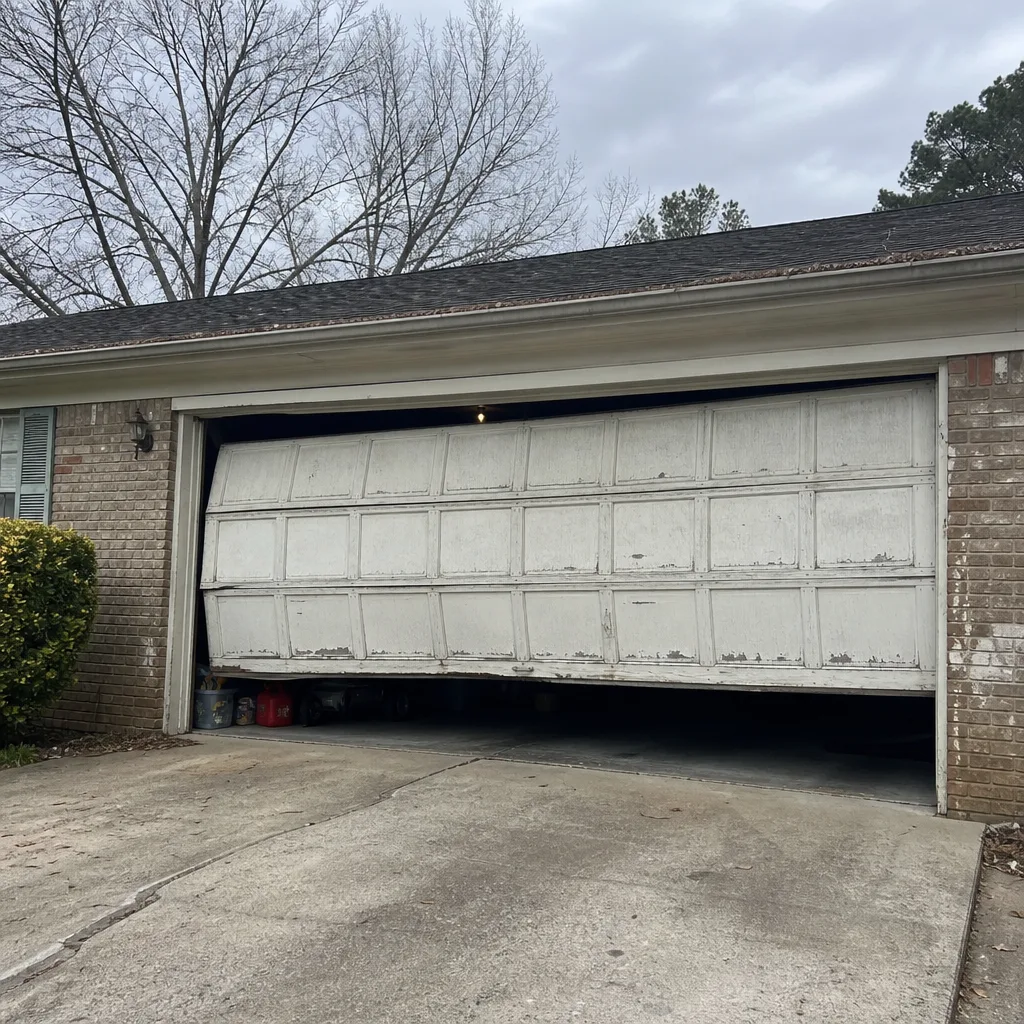 Before
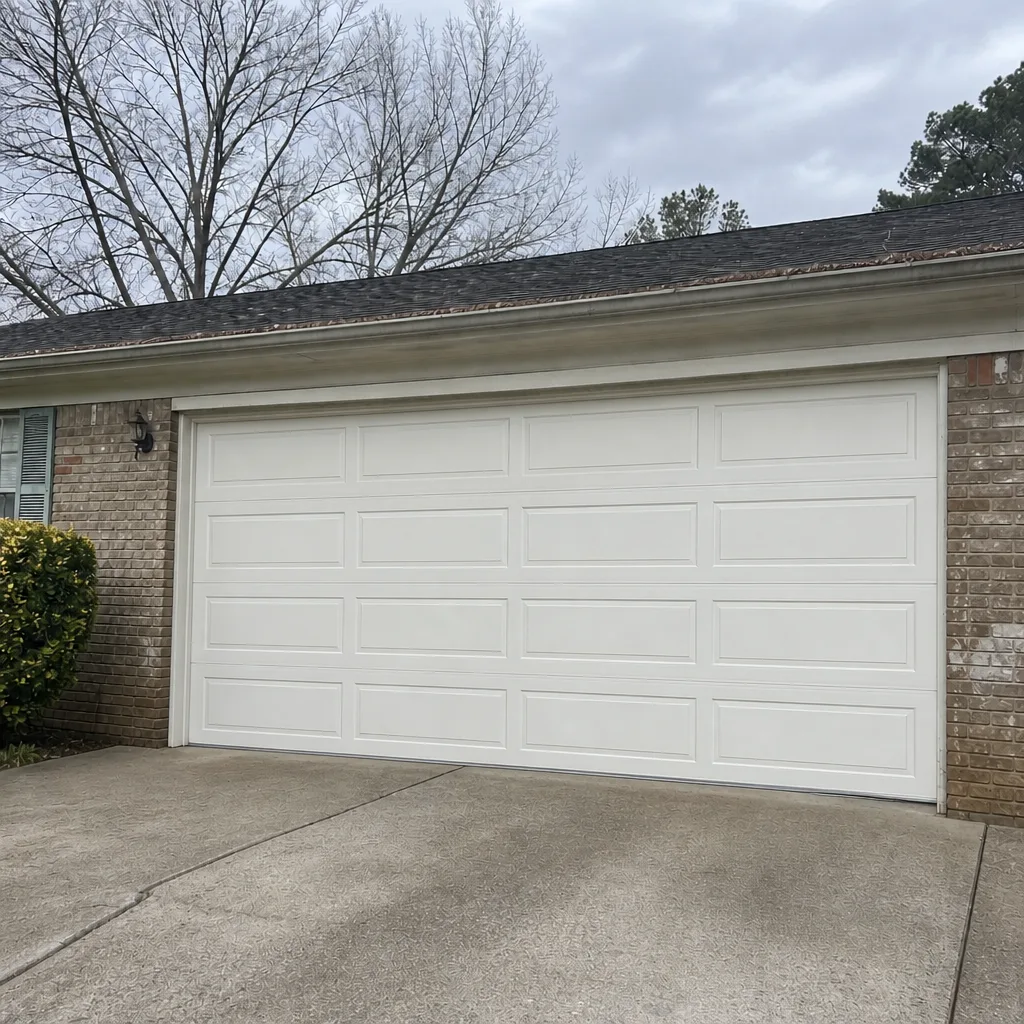 After
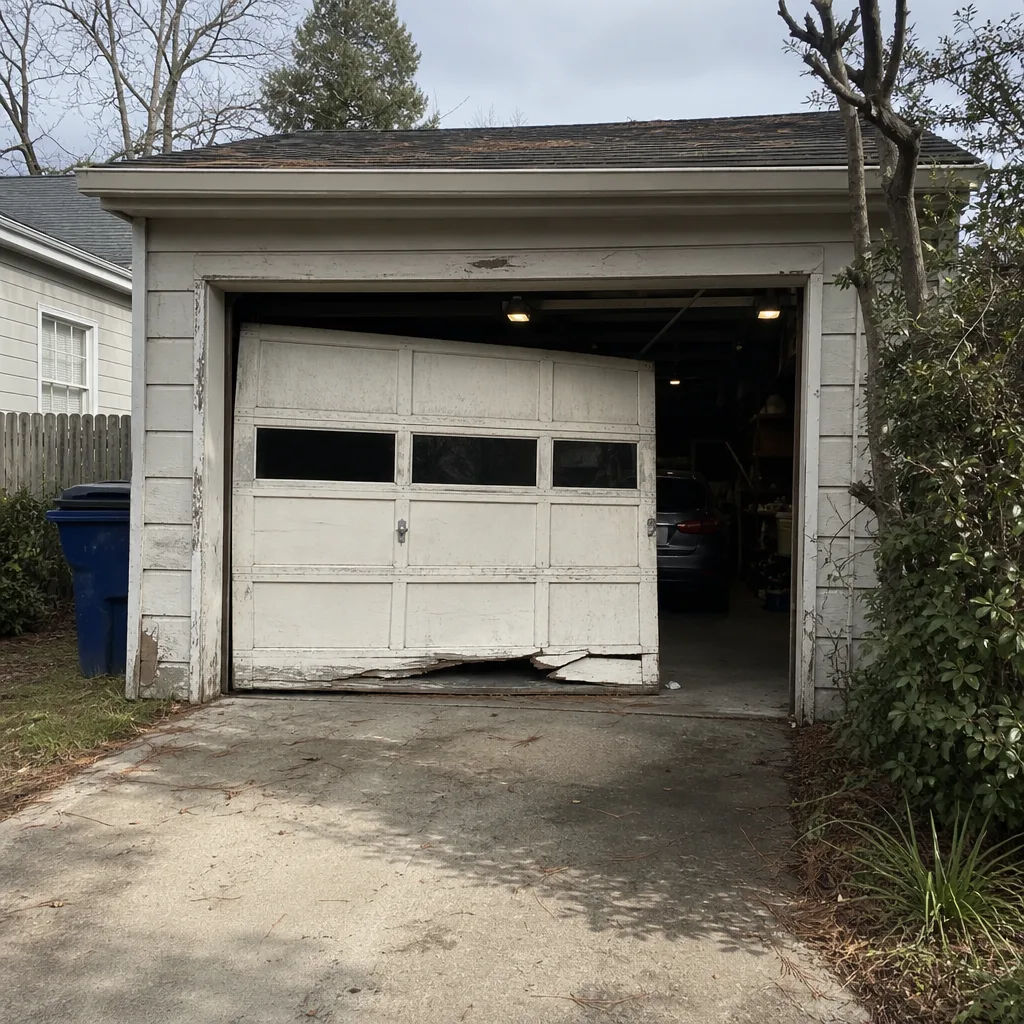 Before
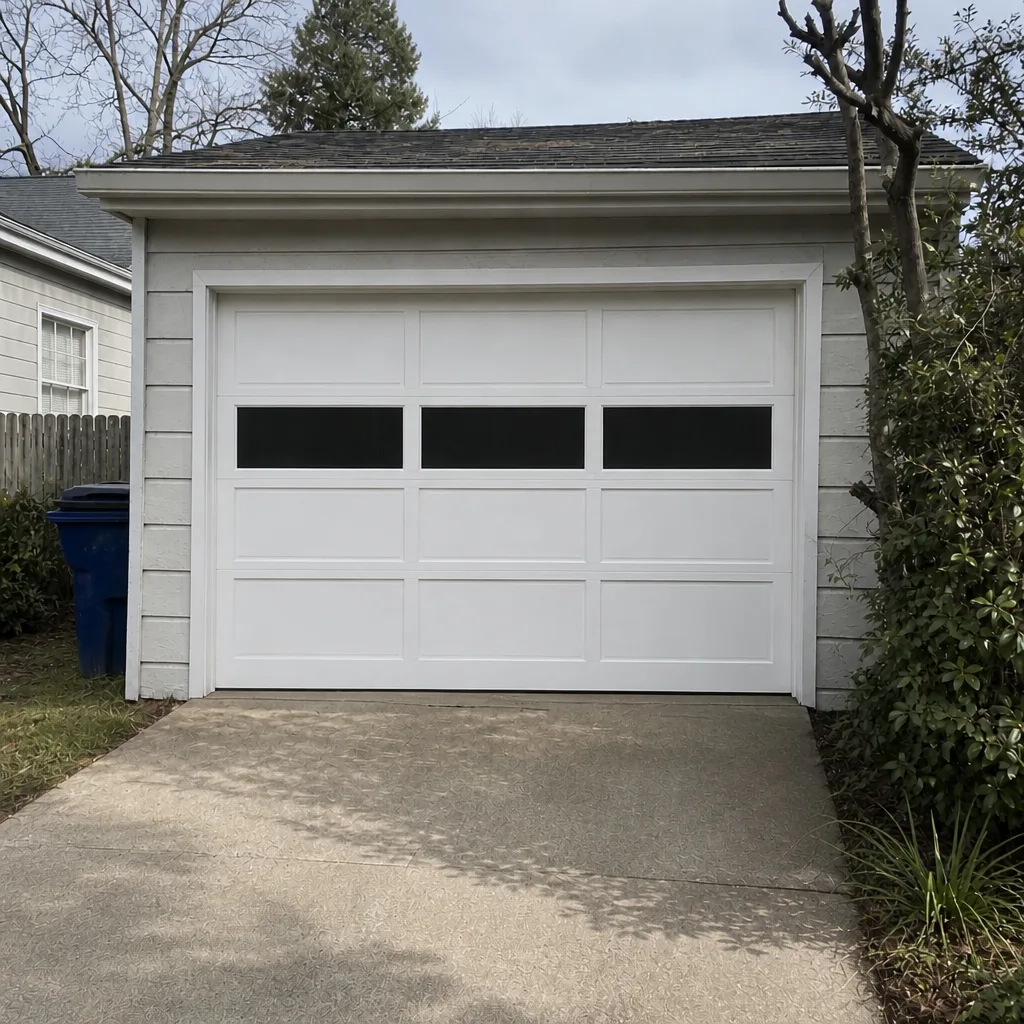 After
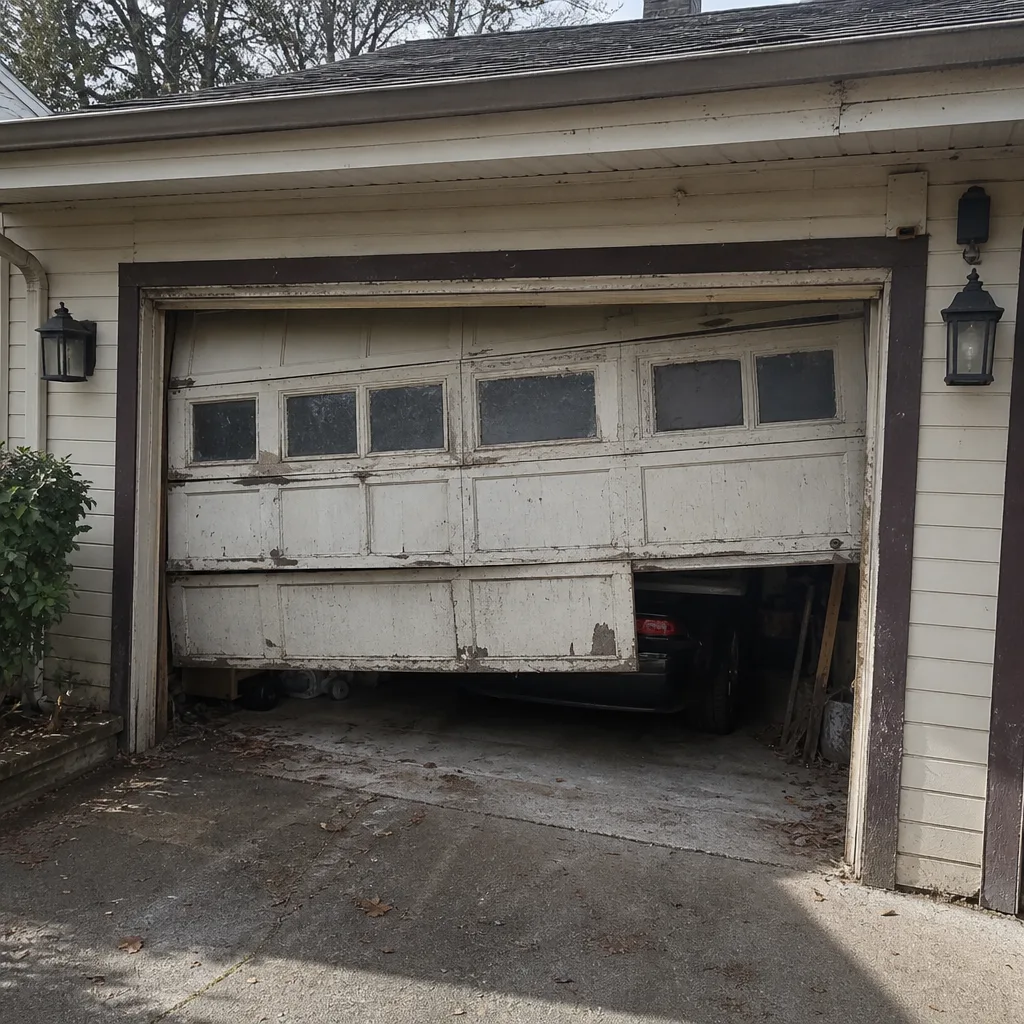 Before
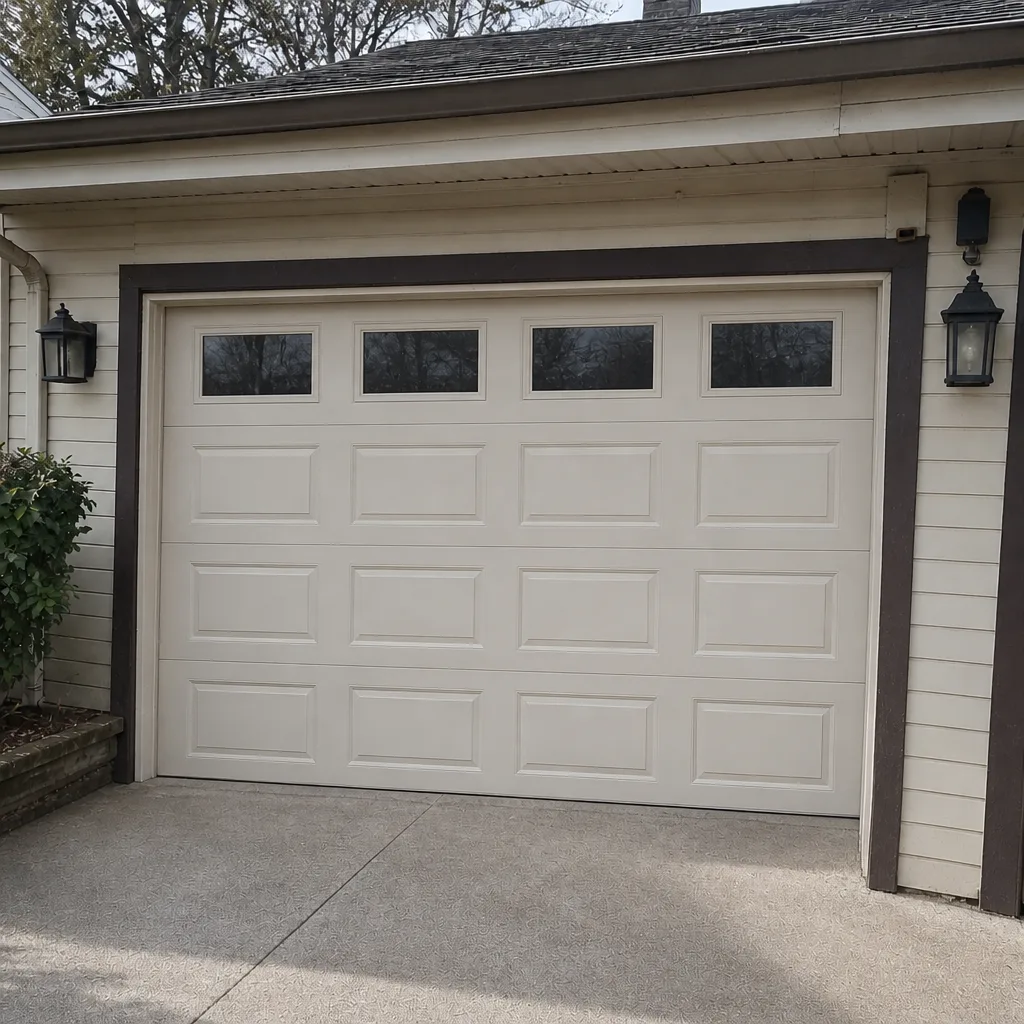 After