
Last updated November 16, 2026
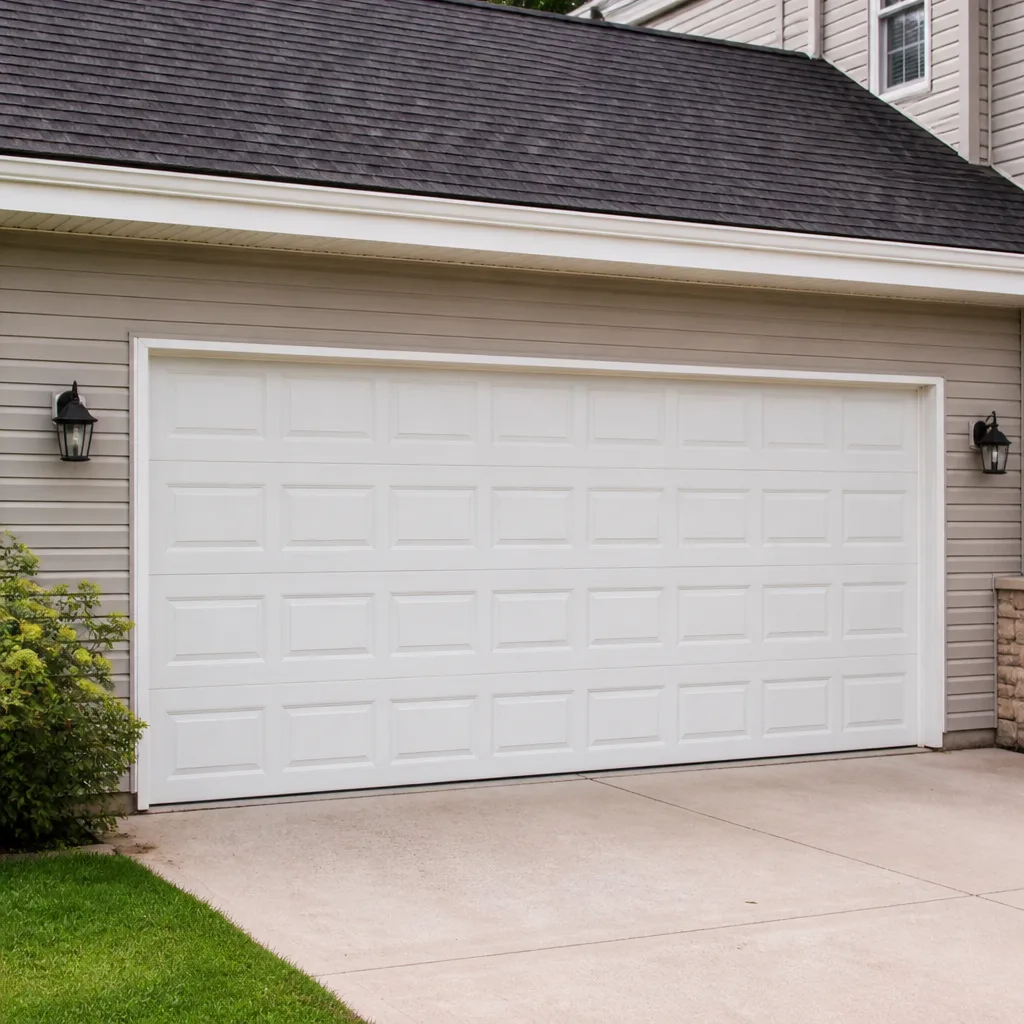 Raised-panel steel
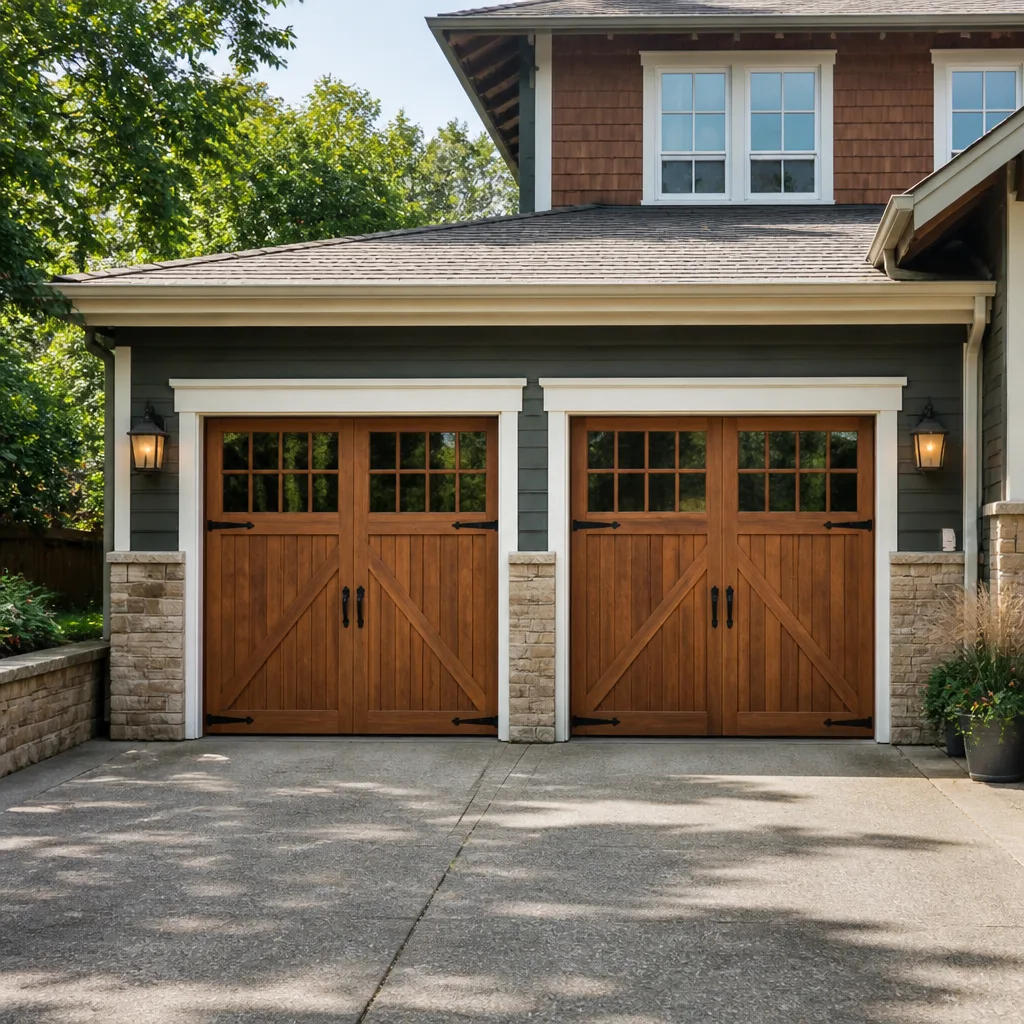 Carriage house
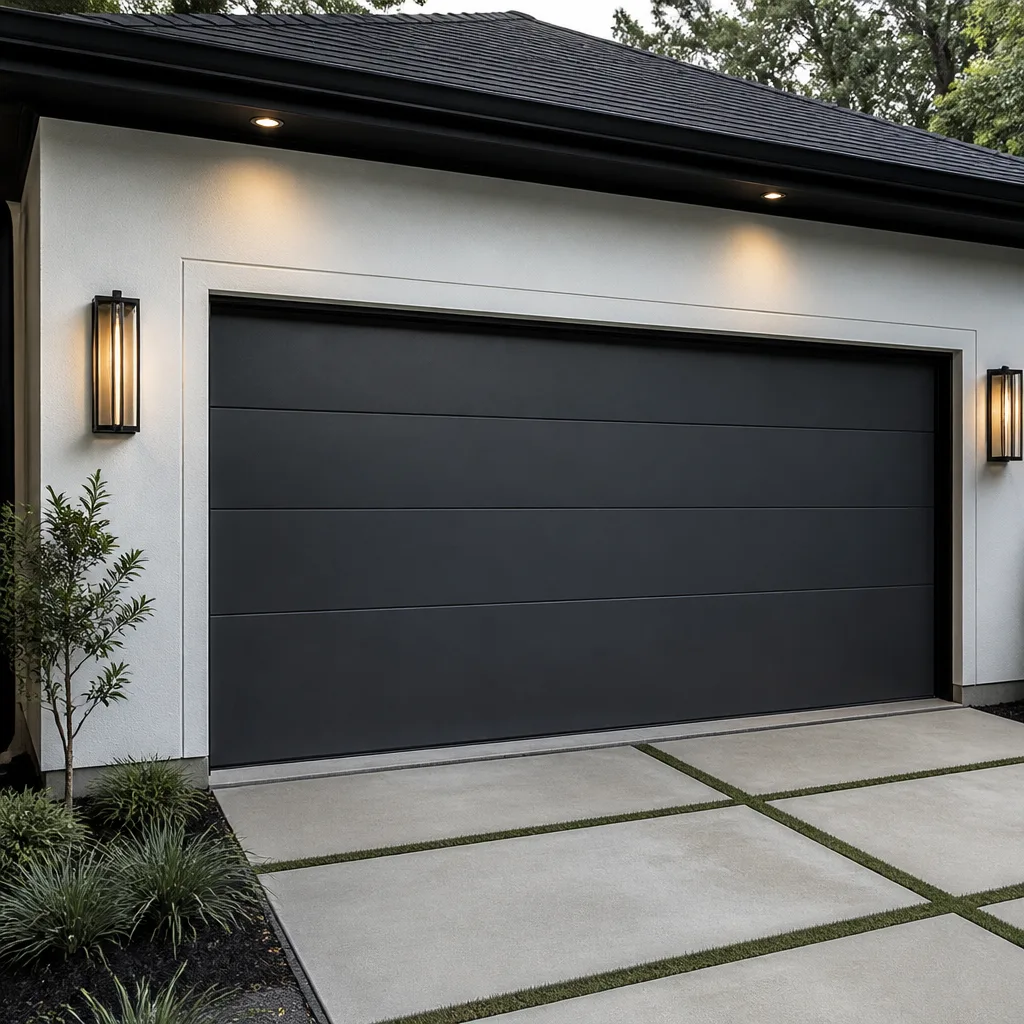 Modern flush
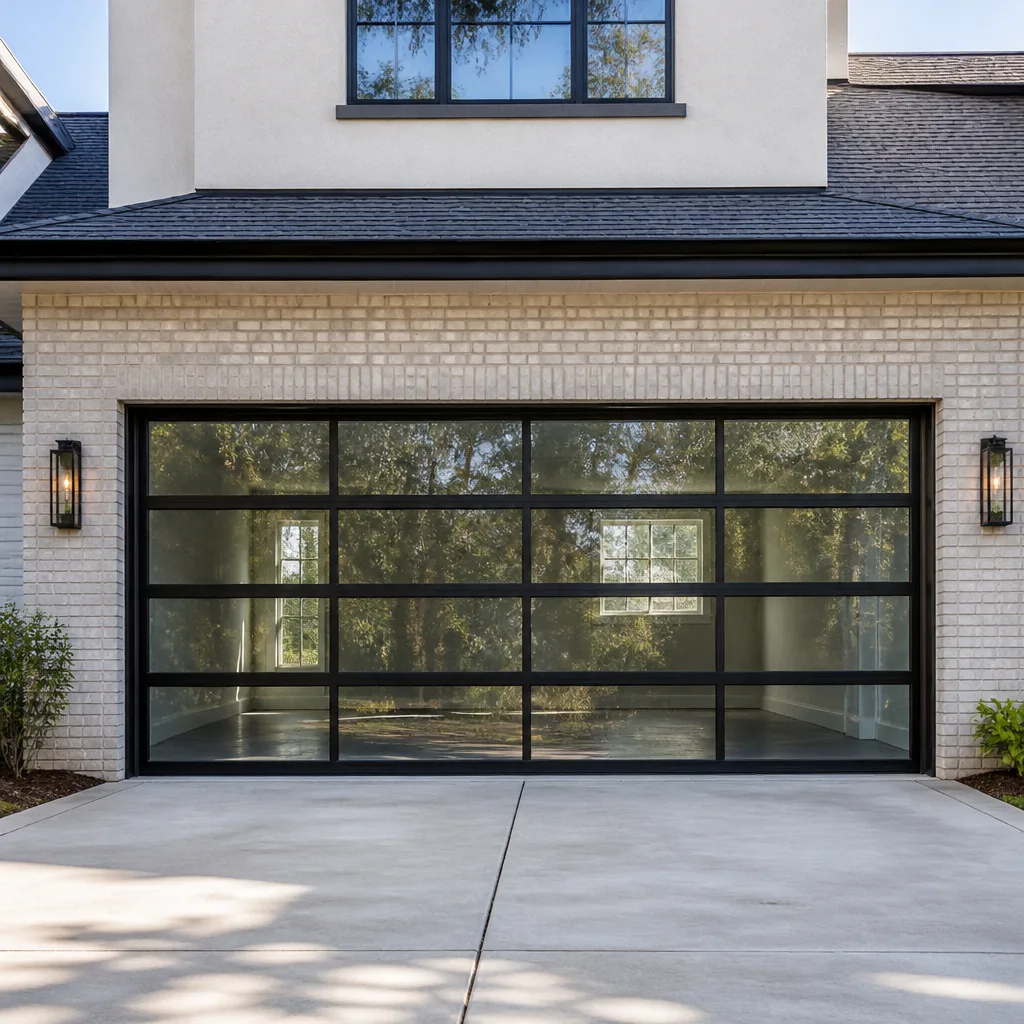 Full-view glass
 LiftMaster openers
 Chamberlain openers
Full 25-point door and opener safety check with every visit - springs, cables, rollers, tracks, and your LiftMaster or Chamberlain opener included
You get a price before we start. It does not change when the pro arrives.
Get your free estimateThe Complete Guide to Garage Doors in Durham
Most garage door advice you’ll find online assumes a house built to current standards, in a climate that’s dry, with a builder who left the specs somewhere handy. Durham doesn’t work that way. Between the pre-1980 bungalows that line block after block of this city and the newer subdivisions out toward Southpoint, the garage doors here were sized, hung, and wired under rules and conditions that no longer match what you see on a warranty card. A “standard replacement” in Durham is rarely standard, and the sooner you accept that, the less surprised you’ll be by the quote. This guide walks through the housing stock, the Piedmont humidity, the permits, and the brands that actually show up on local homes, so you can make a call that holds up.
Quick Answer
Garage doors in Durham need a door sized and sprung for their specific house, not a catalog default, because the city’s mix of older bungalows and newer builds means header clearance, track width, and opener wiring vary widely from block to block. The Piedmont humidity rewards insulated panels and galvanized hardware, and most garage work falls under a Durham city or Durham County permit depending on where you live. Getting the door type right the first time costs less than fixing the wrong one.
Styles & brands we work with
- Raised-panel steel
- Carriage house
- Modern flush
- Full-view glass
- LiftMaster openers
- Chamberlain openers
Table of Contents
- How Durham’s Housing Stock Shapes Every Door Decision
- The Piedmont Humidity and Your Door Materials
- From Northgate Park to Hope Valley: What Each Neighborhood Demands
- What Durham Technicians Actually See in the Field
- Durham City vs. Durham County Permits for Garage Work
- Using Durham Property Records Before You Call Anyone
- Opener Compatibility and Why It Trips Up Older Homes
- Repair or Replace: Making the Call
How Durham’s Housing Stock Shapes Every Door Decision
Durham has more pre-1980 homes per capita than most cities in the Triangle, and those older houses carry garage doors that were hung to standards you won’t find in a modern manual. A door that’s thirty or forty years old may sit under a header that’s lower than today’s eight-foot minimum, or the opening might measure something that no current manufacturer’s standard size matches. When you go to replace it, the job becomes a matter of adapting a modern door to an older frame, not dropping in an off-the-shelf unit.
Three things catch contractors in older Durham homes:
- Header clearance. A low header can force a low-headroom torsion setup or a different track radius, both of which add work but prevent a door that binds.
- Track width. Postwar garages were sometimes built narrower than the modern 16-foot double or 9-foot single standard. A narrower opening that’s typical in older neighborhoods like Northgate Park needs custom sizing.
- Wiring runs. Openers installed in the 1970s and 1980s often sit on circuits that aren’t what they once were, or wall buttons that were wired with two-conductor cable that a modern smart opener can’t use directly.
What this means for you if you own or are buying an older Durham home: measure the rough opening before you shop, and expect a legitimate installer to ask for those numbers before quoting. If a contractor quotes you a price over the phone without asking the opening size or the sightline height, that quote isn’t built on anything real. Our Durham Garage Door Service technicians walk into older properties expecting a measure and a look at the header before they commit to anything.
The Piedmont Humidity and Your Door Materials
Durham sits in the humid Piedmont corridor, and that has consequences for what material a garage door should be made of. An uninsulated steel door in this climate is a poor long-term choice, and the reason isn’t temperature. It’s condensation. Steel panels sweat on the inside face during spring and fall temperature swings, and that moisture collects against the bottom fixtures, hinges, and bottom seal. Over a few seasons, the paint on the interior face can blister, and the bottom corners start to rust from the inside out. Anyone who tells you the door’s exterior paint will protect it hasn’t looked at the back of enough doors in this city.
Here’s what holds up in Durham, in order of durability for the money:
- Insulated steel with a full backer. The polyurethane core keeps the panel face warmer, which slows the condensation cycle. This is the sweet spot for most Durham homes.
- Galvanized or zinc-plated hardware throughout. Hinges, rollers, and bottom brackets in standard hardware rust quickly here; upgrade the hardware even if the panels are fine.
- Composite or aluminum for humid zones. Attached garages that sit against a hillside or a damp crawl space are the ones where composite or aluminum skins earn their price.
- Wood only with serious upkeep. Wood doors are beautiful on a Hope Valley colonial, but in Durham’s humidity they need refinishing on a schedule or they’ll take water at the bottom rails.
Insulation has a second value here: the garage sits against the house, and a well-insulated door keeps that shared wall from becoming the hottest or coldest surface in the home. If your garage is attached, that matters more in Durham’s muggy summers than it would in a dry climate. Clopay and Amarr both make insulated steel lines that hold up well in this region, and those are the ones we return to most often.
From Northgate Park to Hope Valley: What Each Neighborhood Demands
Durham has no single garage door story. A door that’s right for a Northgate Park bungalow is the wrong door for a Hope Valley colonial, and both differ again from what a newer Southpoint subdivision home needs. Treating each neighborhood as its own case saves you money and prevents callbacks.
A walk through the main cases:
- Northgate Park and similar older bungalow neighborhoods. Single-car openings, low headers, detached or attached garages that were often added later. These homes push you toward a custom-sized door and careful opener selection.
- Hope Valley and other established colonials. Two-car garages with proper openings, often original wood doors that are due for replacement. Here the choice is about matching the architectural look as much as the mechanics.
- Southpoint and the newer south Durham subdivisions. Standard 16-foot openings, modern torsion systems, Wi-Fi openers already installed. These jobs are usually straightforward replacements if the original builder didn’t cut corners on the wiring.
- Downtown and the warehouse-conversion blocks. Buildings repurposed into residences sometimes have garage doors that were originally commercial. Those require genuine commercial-grade hardware, not a residential door bolted onto an industrial frame.
A proper assessment starts with the house, not the door. If your home is in one of the older neighborhoods, expect a slightly longer walkthrough, because the tech has to know whether that opening will accept a standard size or needs a custom build. Our Durham team treats each block as its own measuring job.
What Durham Technicians Actually See in the Field
Manufacturer marketing tells you every door is engineered for every climate. The field tells a more honest story, and after years working the same streets in this city, certain patterns hold. Here’s a brand-by-brand snapshot of what Durham techs actually encounter, not what the brochures say.
Clopay. The most common name on newer Durham homes. Their insulated steel lines hold up well here, and the parts are widely available, which means a repair on a Clopay door is usually a same-visit fix rather than an order. The common failure we see is bottom seal wear from leaf litter building up against the door in the fall.
Amarr. Common in the mid-range builds around south Durham. Amarr’s designs are solid, but their standard hardware in our humidity benefits from an upgrade to galvanized rollers early in the door’s life. Torsion spring life on Amarr doors tends to be average for the class, no worse.
Wayne Dalton. Frequently found on older homes, sometimes with their distinctive TorqueMaster spring systems. Those systems work, but they need a tech who knows them; a generalist may struggle to source the right parts. We keep Wayne Dalton expertise on hand for exactly this reason.
Genie. More often an opener brand in Durham than a door brand. Older Genie openers on legacy homes can be repaired or upgraded, and we handle both rather than pushing a full replacement to sell a new unit.
The pattern across all four: the brand matters less than whether the technician knows that brand’s quirks. Brand-specific knowledge means a faster diagnosis and fewer return visits. That’s why our garage door repair work covers eight manufacturers rather than the single line a general contractor might push.
Durham City vs. Durham County Permits for Garage Work
One of the most overlooked details in garage door replacement is which permitting authority covers your address, because Durham runs a split system. The City of Durham issues permits inside city limits, and Durham County handles unincorporated areas. A door replacement that swaps door for door, same size, same opening, usually doesn’t require a permit in either system. But if the work changes the opening, replaces the header, alters the framing, or converts a carport into an enclosed garage, most jurisdictions will require a permit, so ask your city’s building department before work begins.
Here’s how to figure out which authority applies to you, in numbered order:
- Look up your address on the Durham County property records site, which tells you the jurisdiction and the parcel.
- If the record shows a City of Durham address, contact the city’s building department for permit questions on structural garage changes.
- If the record shows unincorporated Durham County, contact the county building department instead.
- For a straight size-for-size replacement, ask the department directly whether a permit is needed for your specific scope; the answer can vary by scenario.
- Never let a contractor tell you “we don’t need a permit” without showing you a written answer from the authority having jurisdiction.
Opening up wall framing without a permit is the kind of decision that surfaces years later at a home sale or an insurance review. Ask the department before work starts. That’s the answer that holds up.
Using Durham Property Records Before You Call Anyone
The single best free move a Durham homeowner can make before calling a contractor is to pull the property record for their address. Durham County’s public records show the year built, square footage, prior permit history, and sometimes a scanned permit drawing that lists the original garage opening dimensions. If a previous owner replaced the door under a permit, the drawing will show the size. If the home is older and the garage was added later, that shows up too.
Here’s how to use the records effectively, step by step:
- Search the Durham County property records site by address.
- Note the year built. Pre-1980 triggers the older-home cautions we’ve covered.
- Look at the permit history. Any prior garage permit may include a drawing.
- If a drawing is on file, save the PDF and have the dimensions ready when you call.
- If no drawing exists, take your own measurements: rough opening width and height, plus the vertical distance from the floor to the bottom of the header.
Those five numbers (width, height, and the three on the header side) are what any installer needs before quoting. If you show up to a call with those numbers, you save an assessment visit and get a real estimate faster. Our team at Durham Garage Door Service will happily work from your numbers, though we still confirm with a measure before ordering.
Opener Compatibility and Why It Trips Up Older Homes
Openers are where older Durham homes trip up the most. A modern Wi-Fi opener like those from LiftMaster and Chamberlain expects a predictable wiring layout, a safety-reversal beam across the opening, and a wall button on low-voltage wire. A 1970s Craftsman or Genie unit in an older Durham home may have none of those, which means a new opener install is also a small wiring job. That’s not a reason to skip the upgrade; it’s a reason to hire someone who knows what to expect.
The two dominant situations:
- Legacy mechanical openers. Craftsman and Genie units from before the smart era. These are repairable, and we’ve fixed plenty of them rather than pushing a full replacement. But they can’t talk to modern home automation, and parts availability is shrinking.
- Modern Wi-Fi openers. LiftMaster and Chamberlain dominate. These are usually an easy service call when something fails, and they integrate with the wall button app on a phone. Their main vulnerability in our humidity is the logic board, which can be sensitive to garage condensation.
The compatibility question most people miss: does the opener work with the safety beam, the wall button, and the door’s balance? A properly installed opener on a poorly balanced door will fail quickly, no matter how good the opener is. Our garage door opener repair team always checks the door balance before blaming the opener. That’s a core part of what makes a repair stick.
Repair or Replace: Making the Call
Repair is the right call when the door’s panels, tracks, and springs are structurally sound and only one component has failed. Replace when the door has multiple failing systems at once, when the panels have rusted through from the inside, or when the door’s design is fundamentally wrong for the opening (a generic door shoehorned into a non-standard frame). In a humid climate like Durham’s, the repair-or-replace line shifts earlier on steel than it would in a drier market, because interior rust is cumulative.
Practical signs each way:
- Repair is usually right: a broken spring, a failing opener, a bent track panel, a wall button that stopped working, or rollers that have worn flat. These are component failures.
- Replace is usually right: rust through the interior face of multiple panels, sagging sections that can’t be straightened, and a door that’s fundamentally undersized for the opening.
- Look at the balance first. Disconnect the opener and lift the door halfway. A balanced door will hold there. If it slams down or needs force, the springs are tired and the opener is being asked to do work it can’t sustain.
We’ve told plenty of Durham homeowners that a repair isn’t worth it on a door that should have been replaced years ago, and we’ve talked others out of a replacement they didn’t need. Installation capability paired with genuine repair expertise is what lets us say that honestly, because we don’t have a stake in one answer over the other.
Common Mistakes to Avoid
- Buying a catalog door without measuring. Durham’s older homes rarely match the modern standard opening size. A “one-size” door from a big-box store often ends up needing adapter hardware that costs more than a properly sized door.
- Choosing an uninsulated steel door because the front looks fine. The back of an uninsulated steel door in our Piedmont humidity will condensate. Rust starts where nobody looks until the color shows through the paint.
- Skipping the property record lookup. The building permit history in Durham County public records often has the exact original opening dimensions for free. Two minutes of searching saves an assessment visit.
- Assuming a city permit covers a county address. Durham runs separate authorities for city and unincorporated county. Structural garage work in one jurisdiction under the wrong permit creates problems at sale.
- Replacing the opener without checking door balance. A balanced door holds itself halfway up. If yours doesn’t, a new opener on top of tired springs will fail early and cost you the opener too.
- Treating a Hope Valley wood door like a Southpoint vinyl one. Wood in this climate needs refinishing on a schedule. Paint and seal maintenance is not optional on wood doors in Durham.
- Hiring a tech who doesn’t know your brand. A Wayne Dalton with a TorqueMaster spring system is a different repair from a Clopay with a standard torsion tube. Brand-specific knowledge is a real cost saving.
See the difference
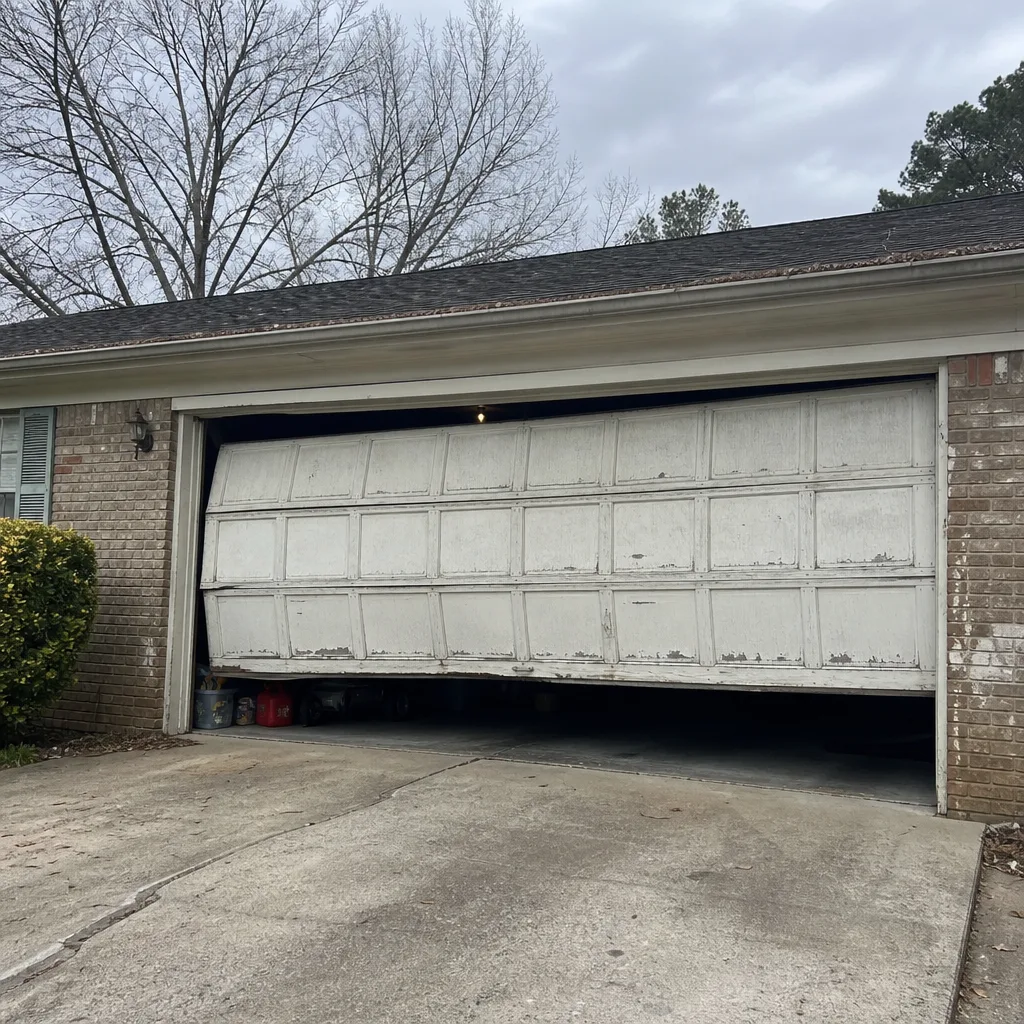 Before
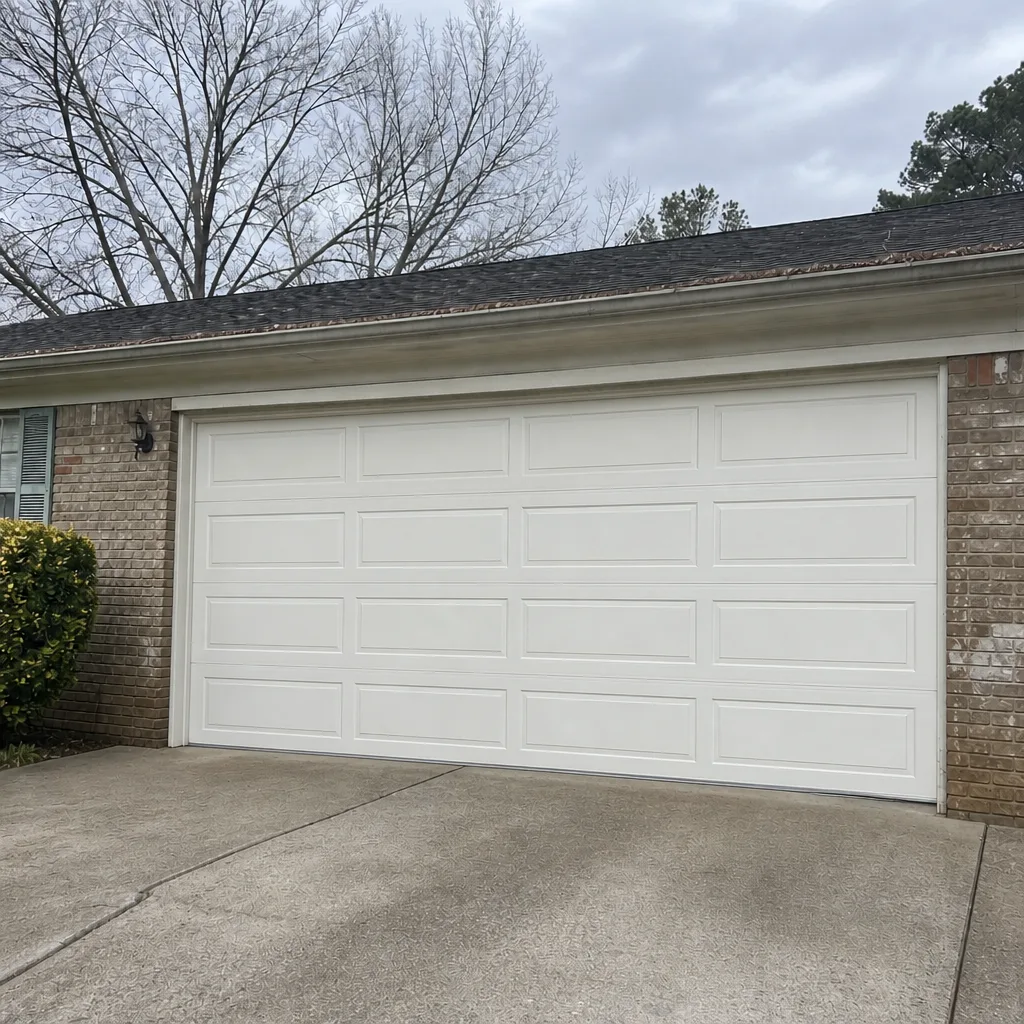 After
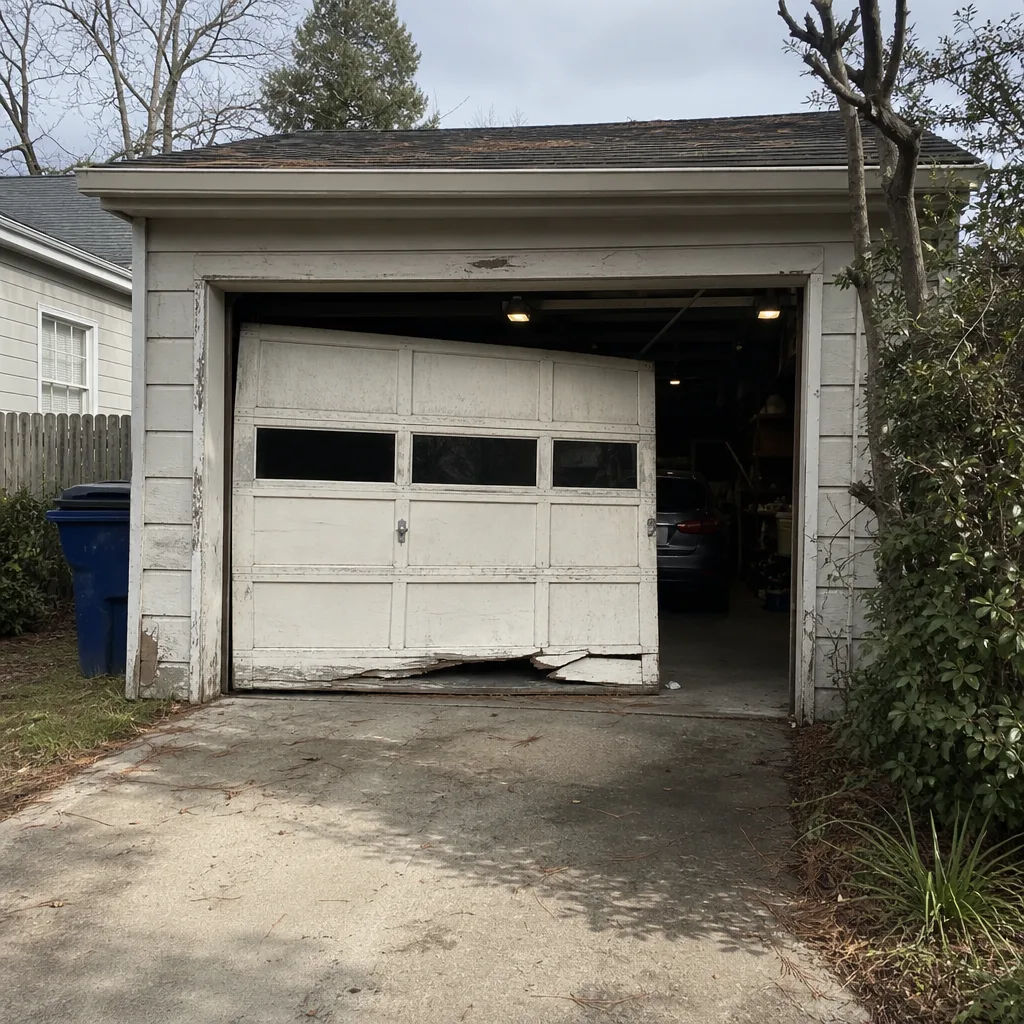 Before
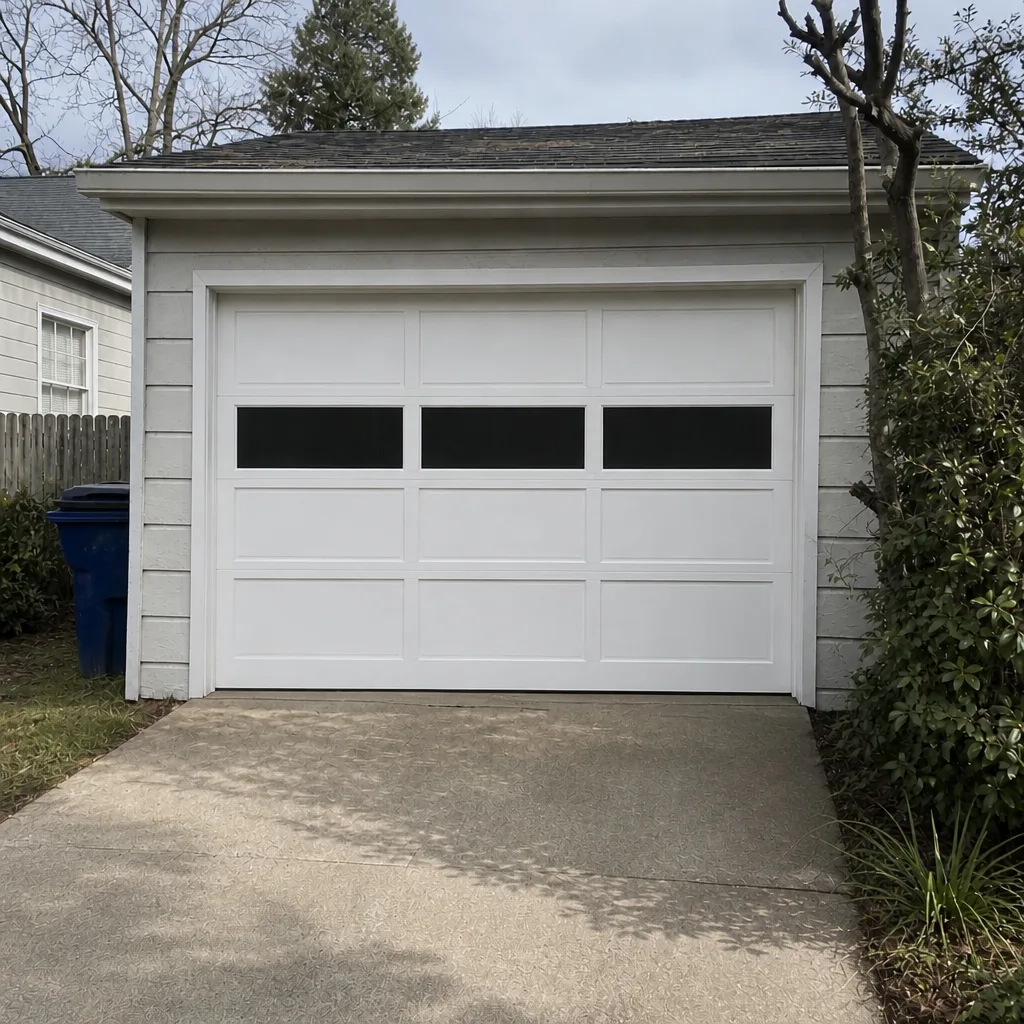 After
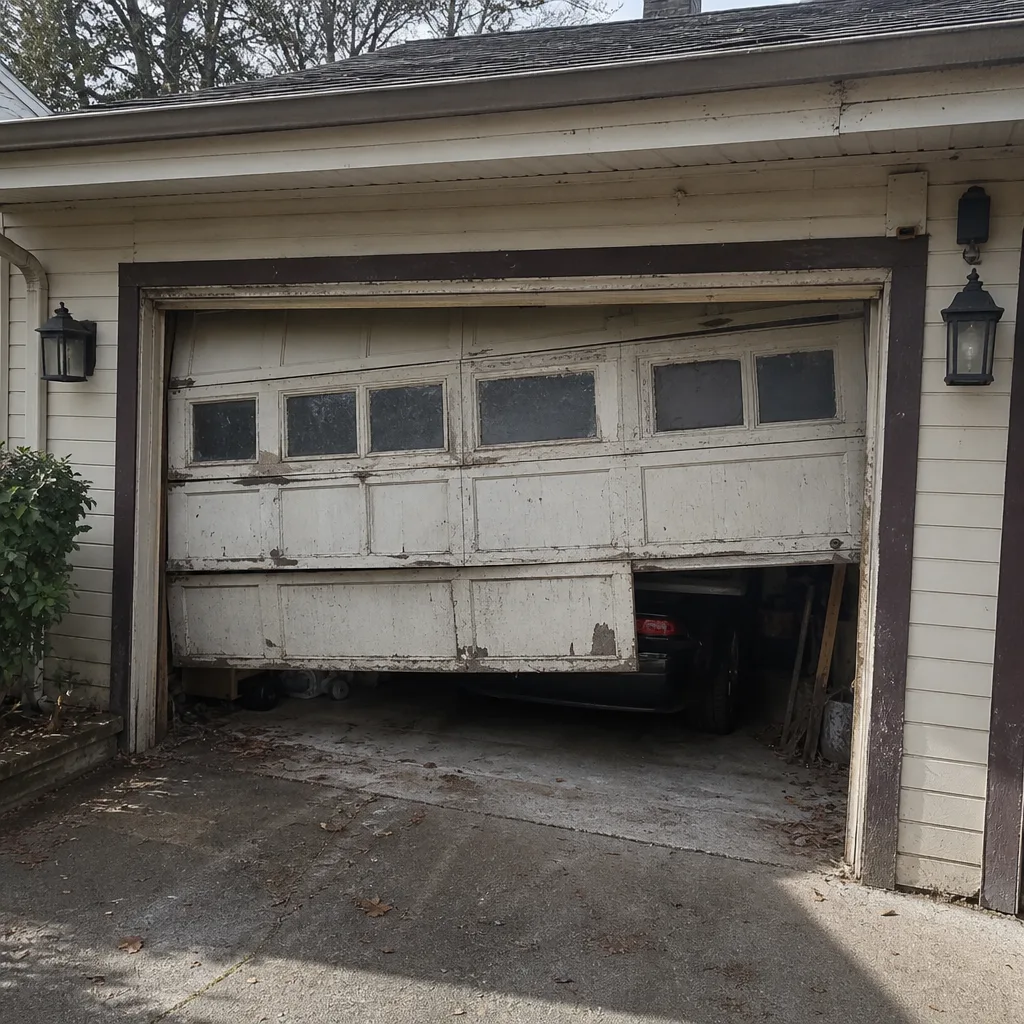 Before
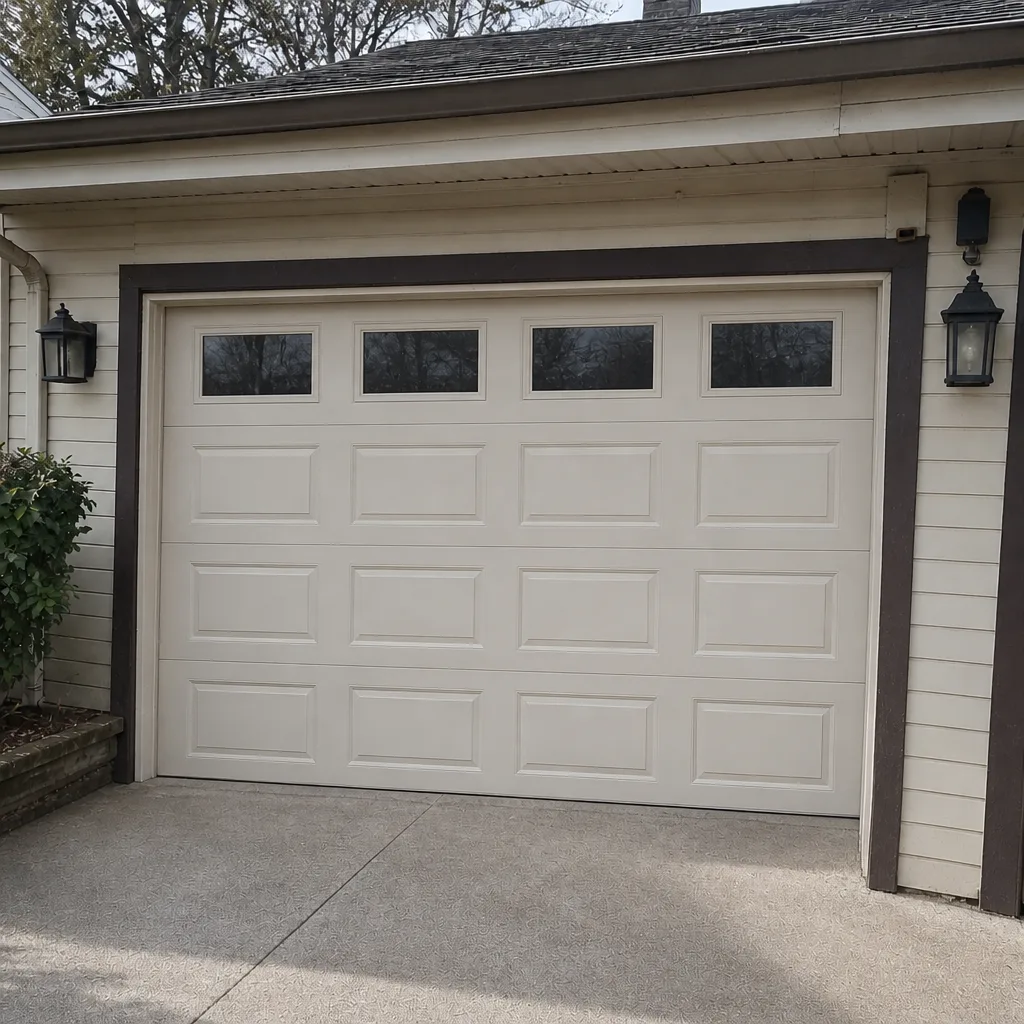 After
When to Call a Professional
Some garage door work is safe to handle yourself: replacing a wall button, changing an opener remote’s battery, tightening the lag bolts on the opener’s mounting bracket, or clearing a leaf pile off the bottom seal. Everything else involving the springs, cables, tracks, or the safety-reversal system is best left to trained technicians. Torsion and extension springs are under extreme tension, and a spring that releases without warning can cause serious injury. Electrical work on the opener or garage wiring is another line not to cross. If the door has a broken spring, a snapped cable, a bent track, or an opener that’s stopped responding, it’s a professional call. Durham Garage Door Service offers free estimates in Durham, and our technicians have up to 15 years of experience. Call (844) 460-7528. We answer 24/7. Fast dispatch from 7am to 7pm, Sunday through Friday.
Frequently Asked Questions
Usually not, if the replacement is size-for-size with the same opening, but any change to framing, header, or opening dimensions typically requires one. Whether your address falls under City of Durham or Durham County permitting determines which department you ask. The safe approach is to call your city’s building department before work starts and get the answer in writing. Call (844) 460-7528 for a free estimate and we’ll walk through the permit question with you.
Durham sits in the humid Piedmont corridor, and the temperature swings in spring and fall cause condensation on the inside face of uninsulated steel doors. That moisture collects against hardware and seals and starts rust from the inside out. Insulated steel panels and galvanized hardware are the practical fix. If your door is showing rust through the paint, that’s a sign the damage is deeper than the surface. Call (844) 460-7528 for a free estimate before it spreads.
We can usually repair older Craftsman and Genie openers rather than push a replacement, because we’ve worked on both for years and know their failure patterns. Many older mechanical units just need a gear or a capacitor, and those repairs last. If parts availability makes a repair impractical, we’ll show you the numbers on both sides and let you decide. Call (844) 460-7528 for a free estimate on your specific opener.
A stuck door is a repair call, and the phone line is answered 24 hours a day, seven days a week. A call outside dispatch hours is booked into the next opening, Sunday through Friday, 7am to 7pm. We’re closed on Saturdays. Many repair calls are handled same-day, and the price is always quoted and agreed before any work starts. Call (844) 460-7528 to get on the schedule.
We’re certified on eight major brands: LiftMaster, Chamberlain, Genie, Clopay, Amarr, Wayne Dalton, Craftsman, and Raynor. That covers virtually every door and opener a Durham homeowner is likely to have. Brand-specific knowledge cuts diagnosis time and prevents repeat visits. If you’re not sure which brand you have, check the inside of the door frame or the opener housing and give us a call at (844) 460-7528. The estimate is free.
No, if you’ve received a written estimate first and agreed to it, that’s the price you pay for the agreed scope of work. A proper estimate includes a measurement of the opening and a visual inspection of the header and tracks before the number is quoted. If the on-site look reveals something unexpected, we’ll tell you the revised scope first and let you agree before any work continues. Call (844) 460-7528 for a free estimate on your Durham door.
The Bottom Line
A garage door in Durham is not a commodity purchase. The city’s pre-1980 housing stock, its Piedmont humidity, and its split city-county permit system all push the decision away from a standard manufacturer default. Measure the opening. Check the property record. Ask which permitting authority applies to your address. Put a written estimate against a real inspection, not a phone quote. Insulate the panels, upgrade the hardware to galvanized, and pick a technician who knows the brand already on your door. Those moves keep the door moving for years and avoid the second call that the first should have prevented. That’s the shift this guide is asking you to make, and it’s the shift that pays for itself on the first replacement.
If you’re ready to stop guessing and get a real number, we’re ready to help. Call (844) 460-7528 for a free estimate. We answer 24/7. Fast dispatch from 7am to 7pm, Sunday through Friday.
Written by the team at Durham Garage Door Service.