
Last updated November 16, 2026
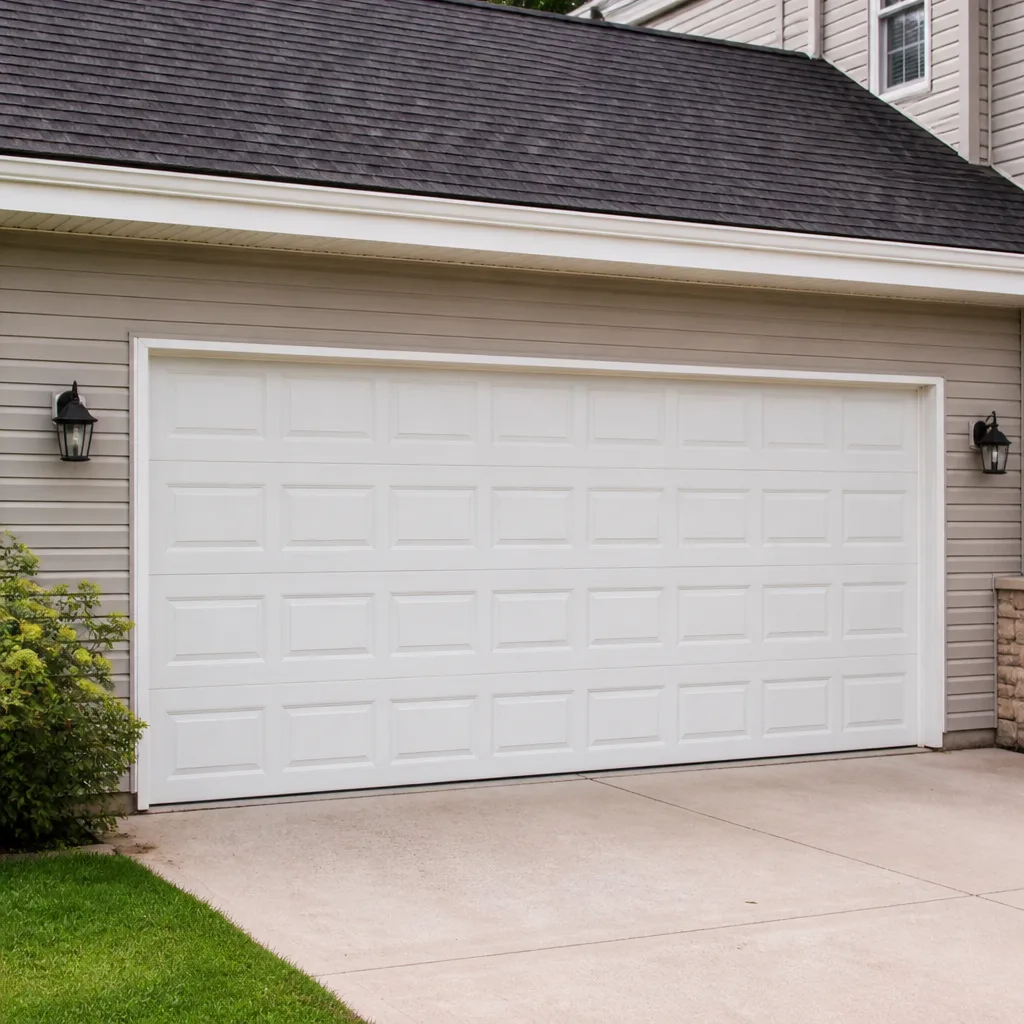 Raised-panel steel
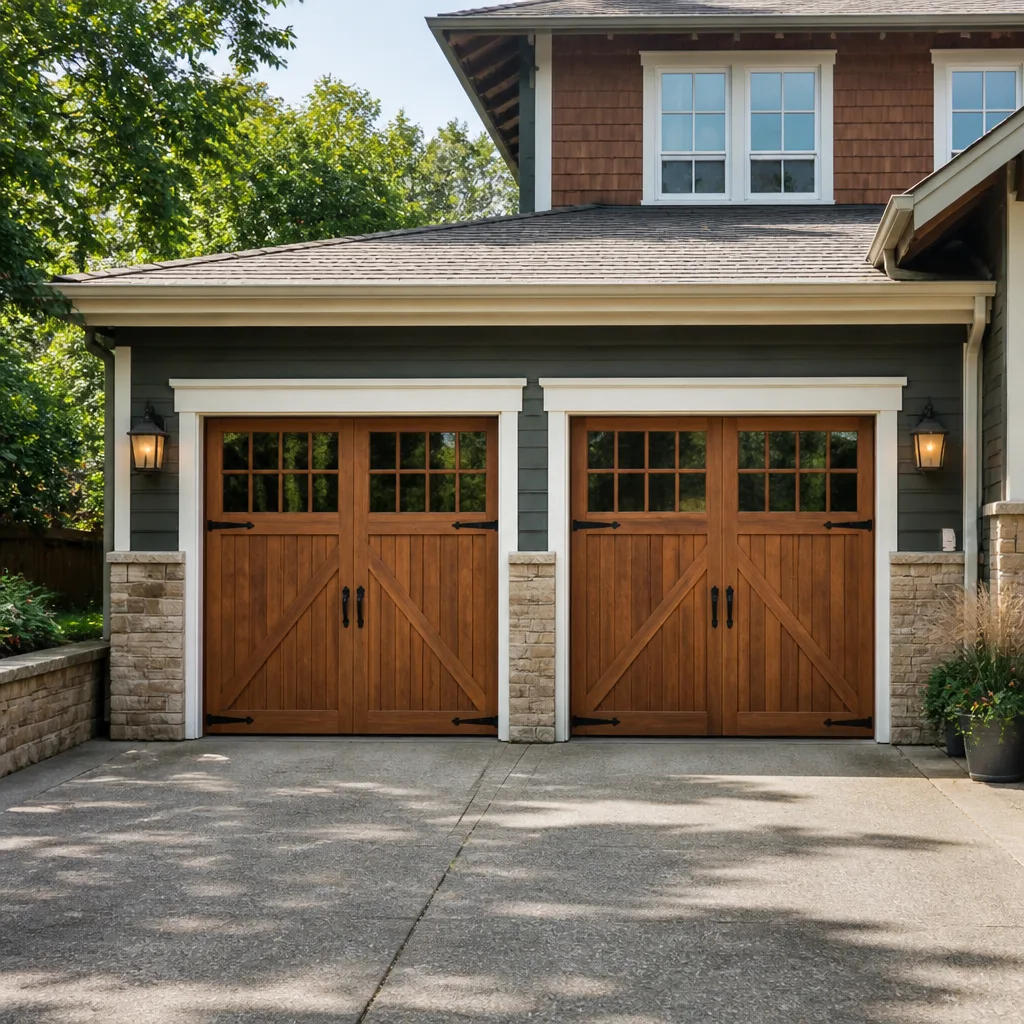 Carriage house
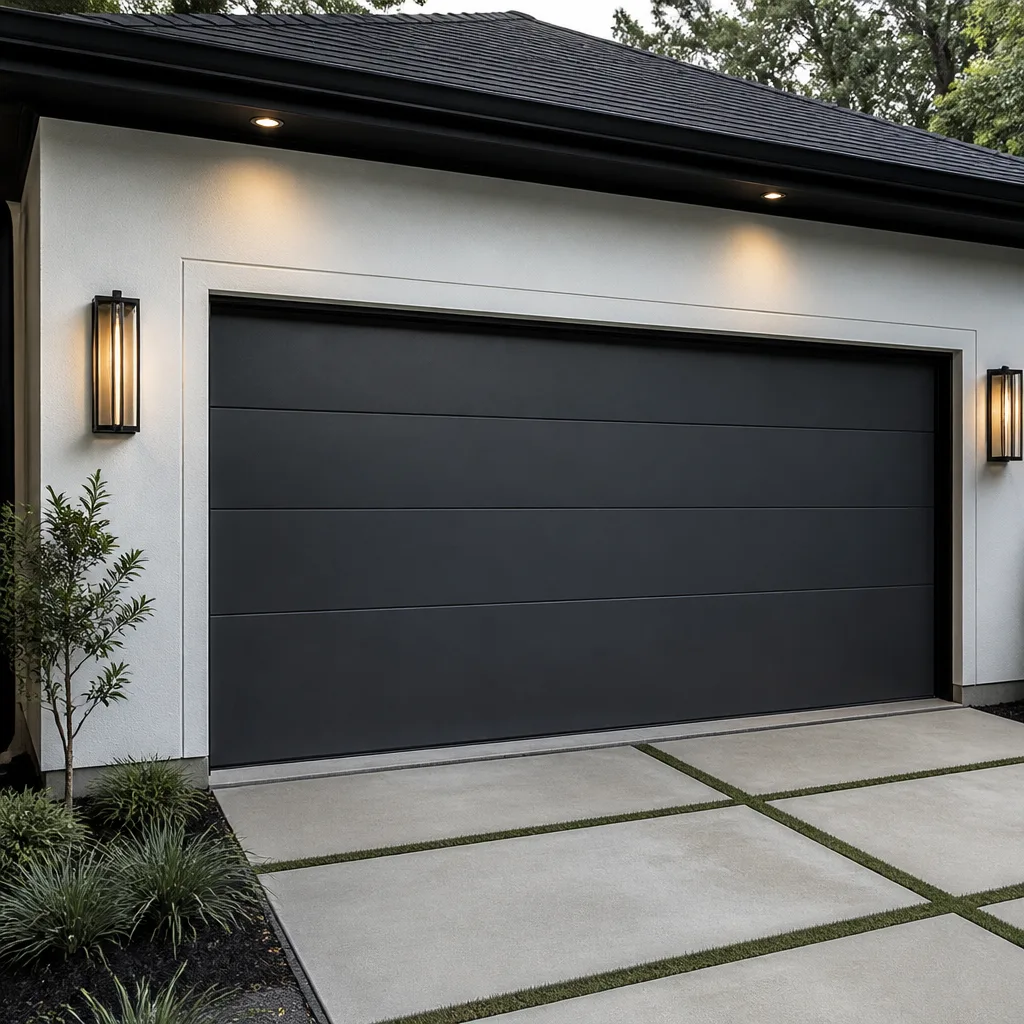 Modern flush
 Full-view glass
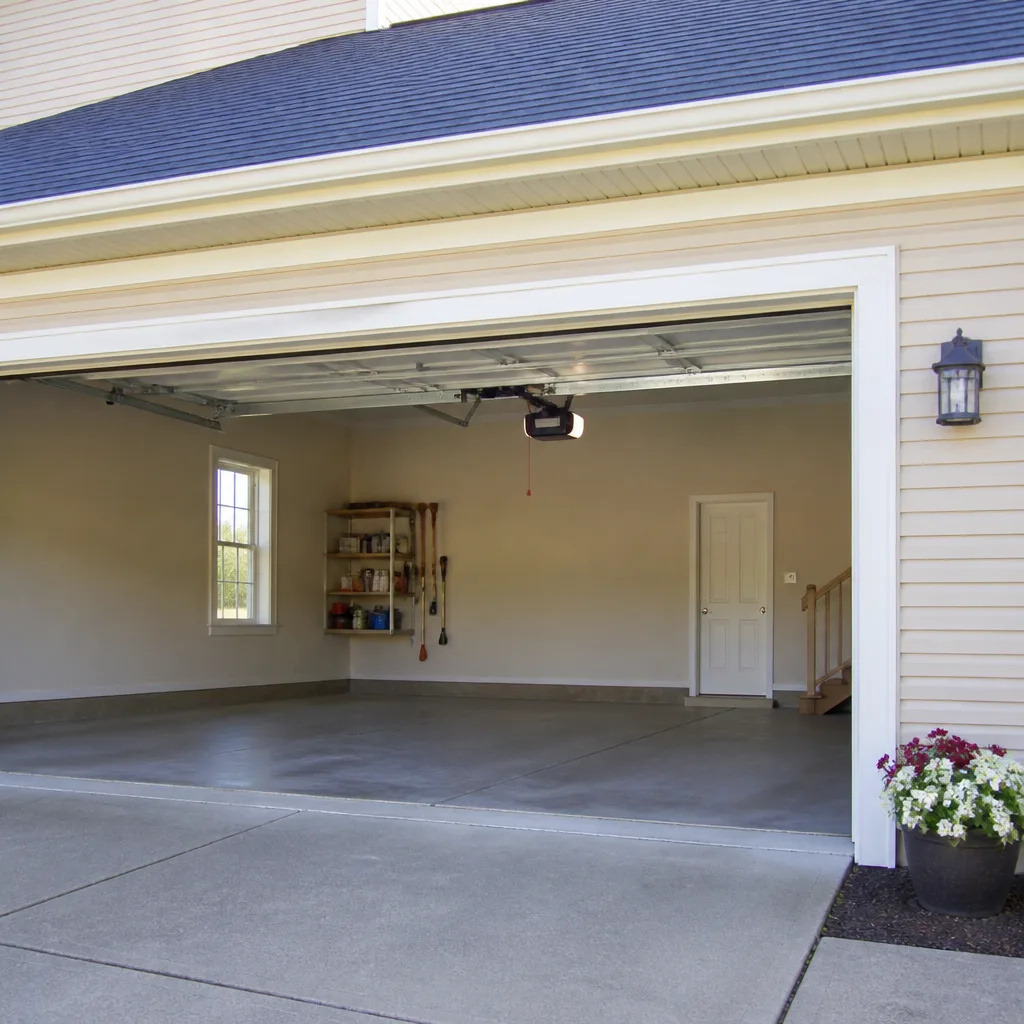 LiftMaster openers
 Chamberlain openers
Full 25-point door and opener safety check with every visit - springs, cables, rollers, tracks, and your LiftMaster or Chamberlain opener included
You get a price before we start. It does not change when the pro arrives.
Get your free estimateGarage Door Repair Maintenance Schedule: What to Do and When
Lubricating your garage door every month sounds responsible. In practice, it’s one of the most reliable ways to gum up a system that was working fine. The wrong product on the wrong interval attracts grit into rollers, coats the tracks in a sticky film that collects dust, and leaves hinges wearing faster than they would with no attention at all. The maintenance itself becomes the repair bill. A garage door doesn’t need constant fussing. It needs a small set of tasks done at intervals matched to how each component actually wears. What follows is that schedule: what to check monthly, what to lubricate twice a year, what an annual spring inspection catches before it becomes a snapped cable and a car trapped inside, and how Durham’s temperature swings and summer humidity shift the timing here compared to other parts of the country. We’ll also cover the three measurements you can take yourself as early-warning signals, and how a simple maintenance log saves diagnostic time when a technician does arrive.
Quick Answer
A garage door needs a quick visual check once a month, lubrication and hardware tightening every six months, and a full spring, cable, and balance inspection once a year. The single most important timing detail in Durham is to get that annual spring inspection done in October, before the first cold snaps arrive, because those are what push a worn torsion spring past its limit. Summer humidity here also calls for a track wipe-down that homeowners in dry climates never think about.
Styles & brands we work with
- Raised-panel steel
- Carriage house
- Modern flush
- Full-view glass
- LiftMaster openers
- Chamberlain openers
Table of Contents
- Why the Interval Matters More Than the Task
- The Monthly Check: Two Minutes, No Tools
- The Six-Month Service: Lubrication and Hardware
- The Annual Inspection: Springs, Cables, and Balance
- Durham Timing: Winter Cold and Summer Humidity
- Three Measurements You Can Take Yourself
- Keeping a Log a Technician Can Actually Use
- Common Mistakes to Avoid
- When to Call a Professional
- Frequently Asked Questions
Why the Interval Matters More Than the Task
Most maintenance advice online is a list of things to do without any explanation of why or when. That’s a problem, because a garage door is a balance of moving parts under constant load, and different components wear at completely different rates.
A torsion spring cycles once every time the door opens and closes. On a door used twice a day, that’s roughly 700 cycles a year. On a busy household it can be three times that. The spring doesn’t care whether you lubricated it last week. It cares about the total number of cycles on the metal. Once that metal reaches the end of its fatigue life, a temperature change of thirty degrees is enough to finish it. That’s why a spring inspection is an annual task, not a monthly one, and why the timing relative to the seasons matters more than the frequency.
Rollers, hinges, and bearings are a different story. They wear from friction, and friction is a lubrication problem. Every few months is usually right, and every month is overkill in the wrong direction.
Tracks collect debris. They don’t need to be greased, they need to be clean. In Durham, they also need to be checked for rust far more often than the dry-climate advice would suggest.
The point is this: matching the task to the interval that fits the component is the whole schedule. More maintenance is not better maintenance. The right maintenance at the right time is.
The Monthly Check: Two Minutes, No Tools
Once a month, walk out to the door and look at it. That’s the whole task. No lubricant, no tools, no ladder. Just your eyes and your ears. This check exists to catch small problems while they’re still small.
- Look at the springs. A torsion spring sits on the shaft above the door. A tension spring runs along the sides. In either case, you’re looking for obvious gaps, dark spots, or a stretched, uneven look. Don’t touch them yet; just look.
- Run the door and listen. Open and close it. Healthy operation is smooth and fairly quiet. A grinding, scraping, or rhythmic thump is a warning sign worth noting.
- Check the tracks for debris. Anything visible in the channels: leaves, grit, small toys, spiders. Clear it out.
- Check the weather seal along the bottom. Look for splits, gaps, or a seal that no longer touches the floor evenly.
- Look at the safety sensors. There are two small lenses near the floor on either side of the door. Wipe them with a dry cloth if they’re dusty, and confirm the light on each is steady, not blinking.
Two minutes. If everything looks and sounds normal, you’re done for the month. If something is off, note it in your log and decide whether it’s a call-now problem or a flag for your next service. Monthly checking is really early warning, not repair.
The Six-Month Service: Lubrication and Hardware
Twice a year, the door needs actual lubrication and a physical once-over. This is where the “wrong product” mistake causes most of the damage, so it’s worth walking through exactly what goes where.
What to lubricate and with what
- Silicone spray on rollers, hinges, and bearing plates. Silicone stays relatively dry and doesn’t attract debris. It’s the right choice for anything that rolls or pivots repeatedly. Spray it into the hinge pin area, not on the metal surface.
- White lithium grease or a torsion-spring-specific grease on the torsion spring. The spring needs to stay lubricated to reduce friction between the coils. A small amount, worked into the coils, is enough.
- Nothing on the tracks. This is the one that trips up most people. The tracks are meant to be clean and dry. Grease on the track collects grit into a paste, and that paste wears out the rollers. Wipe the tracks with a damp cloth and dry them; don’t lubricate them.
- Never WD-40 as a garage-door lubricant. It’s a water displacer and cleaner, not a sustained lubricant. It’ll strip whatever grease is there and evaporate, leaving the parts drier than before. It also attracts dust while it’s present.
What to tighten and check
- Check the bolts that hold the hinges to the door panels. Vibration works them loose, especially on doors used heavily. A socket wrench and a gentle snug is enough.
- Check the lag bolts that attach the door track brackets to the ceiling and walls. These shouldn’t be loose.
- Check the lag bolts at the spring anchor plate. If any of these are loose, stop and call a professional; the anchor plate is under tension.
- Test the door’s balance: with the door closed, pull the red release handle on the opener trolley to disconnect the door, then lift the door to about halfway and let go. A balanced door stays put. A door that drops is under more tension than it should be. A door that rises is under too little.
- Wipe down the tracks with a damp cloth, dry them, and check for rust. Any rust spot in Durham should be flagged early, because it spreads.
If your door is a Clopay, an Amarr, or a Wayne Dalton, the hardware will differ slightly in arrangement but the lubrication and tightening principles are the same. We see all three regularly and the schedule holds across brands.
The Annual Inspection: Springs, Cables, and Balance
Once a year, the parts that carry load need a trained eye on them. This is the inspection that actually prevents the emergency call. Springs, cables, and the door’s overall balance are what fail catastrophically, and they fail with warning signs that a technician reads easily and a homeowner usually misses.
There’s a specific reason annual makes sense for this and not quarterly. Springs don’t degrade on a calendar; they wear by cycle count. But cycle count alone doesn’t tell you where a spring is in its life. A visual and measurement inspection once a year gives you enough data to work with: any small gaps in the coils, any rust on the cable strands, any sag in the door panel alignment. Those show up here before they become a failure.
An annual inspection also catches things the monthly and six-month tasks can’t see:
- Cable wear. The steel cables that run along each side of the door hold the spring tension and guide the door. Broken strands inside the cable are hard to spot and easy for a technician to find by running a hand down the length.
- Drum wear. The drums at the top corners wrap the cable. Grooves or wear on the drums mean the cable isn’t tracking correctly, and that’s an early failure indicator.
- Panel alignment. Warped or misaligned panels put extra strain on the springs and hinges.
- Opener drive wear. Whether your opener is a LiftMaster, Chamberlain, Genie, or an older Craftsman unit, the belt or chain and the internal gear train wear over time. An annual check catches the wear early, and we can usually repair rather than replace on a Genie or Craftsman unit that’s still working well.
- Balance and travel adjustment. The opener’s force and travel limits should be checked against the door; small misadjustments compound.
Because the spring, cable, drum, and drum-anchor system is under constant high tension, we don’t recommend a homeowner tries to inspect or adjust these beyond the visual. A torsion spring that releases while you’re adjusting it can cause serious injury. If you’re not trained on the components, stop at looking and call a professional for the annual.
One more thing worth saying plainly: an annual inspection is also when a technician can honestly tell you whether a repair is still worthwhile. Sometimes it’s just a bearing and a hinge. Sometimes the door has reached the point where replacement makes more sense, and you want someone who installs doors telling you that instead of someone whose only tool is replacement.
Durham Timing: Why October and August Matter Here
The intervals above are the same everywhere. When you actually do them isn’t. Durham’s temperature swings and summer humidity shift the timing in two specific ways.
October, not March, for the spring inspection
Durham’s winters are mild, but the transition from warm to cold is where most spring failures happen. Metal contracts and stiffens as temperatures drop, and that’s when a spring already weakened by years of cycling finally lets go. The first real cold snap in late November or early December is often the trigger. If your annual inspection happens in October, you’re checking the spring before that transition. If it happens in March, you’re checking it after the cold has already done its work. Move the annual to October and you’ll catch problems when you can still schedule a repair before the holidays rather than during the first cold week when everyone else’s door is also breaking.
August, and every summer, for the track wipe-down
Durham summers run humid. Summertime humidity condenses on cold metal, and that means the steel tracks (and especially the door panels on a steel door) will rust faster here than they would in Arizona. A monthly track wipe with a dry cloth helps. Late summer, after the heaviest humidity, is also a good time to check for any rust bloom on the hinges and on the door’s bottom edge. That’s a task homeowners in dry climates can skip. Here, if you don’t do it, you get rust creeping along the bottom of the door and working into the hinges by fall.
None of this is complicated. It’s just a calendar adjustment. If you’re going to add one thing to your routine, add the October spring inspection, because that one decision prevents more emergency calls than everything else combined.
Three Measurements You Can Take Yourself
These three checks give you real information about your door’s health without tools beyond a tape measure and a stopwatch. Any of them failing is a legitimate reason to have a technician look at the door. In our experience, a homeowner who notices a failing check always saves themselves a bigger repair.
1. Door balance
Pull the red release handle to disconnect the door from the opener. Lift the door halfway, then let go at about waist height. A balanced door holds its position. A door that falls is under too little spring tension. A door that rises or feels light is under too much. Either way, the spring is involved, and this is the most useful early-warning measurement a homeowner can take. Do this check monthly, not just at the six-month service.
2. Reversal sensitivity
This is a check on the safety reverse. With the door closing, place a small object (a roll of paper towels works) on the floor in the middle of the opening. The door should reverse on contact with the object within a couple of inches. If it doesn’t, the opener’s force setting or the safety sensors need adjustment. This is a safety issue; don’t ignore it. On Wi-Fi-enabled LiftMaster and Chamberlain openers the force setting can be adjusted through the app or the wall unit; older mechanical units have adjustment dials. Either way, if you’re not confident, call a technician to test and set it correctly.
3. Travel time
Time how long it takes the door to close completely. A healthy door takes about ten to fifteen seconds from fully open to fully closed, depending on door size. If it’s noticeably slower than it used to be, that’s a sign of spring wear, roller drag, or opener strain. Note the time and compare it month over month in your log. A door that was closing in twelve seconds in spring and takes eighteen by fall needs a look before cold weather arrives.
These three checks are the cheapest diagnostic you’ll ever run on your door. They also give a technician concrete information about what’s happening, which cuts the diagnostic time an inspection and repair would otherwise take.
Keeping a Log a Technician Can Actually Use
One of the most useful things you can do for your garage door is keep notes. Not a formal spreadsheet; a single page taped inside the door frame, or a note on your phone. But the notes need to be in a format a technician can read, and that means dates, observations, and the answers to the three measurements above.
Here’s what to record:
- Date of every inspection and service. Monthly checks, six-month services, annual inspections.
- Door balance result. “Held at half” or “falling slowly” or “rising.” Easy to write, easy to read.
- Travel time. One number in seconds.
- Any noises or visual issues. “Slight grind on close, left side.”
- Any adjustments made. Who adjusted what and when.
- Brand and model of door and opener. A ticket with “LiftMaster opener, Clopay door” on it tells a technician what they’re dealing with before they even arrive.
Why does this matter? Because a garage door has a history. A technician arriving at a door with no history spends the first chunk of the visit diagnosing what’s happened. With a log showing a door that’s had two specific adjustments in six months, that same technician can skip the diagnostic guesswork and go straight to the likely culprit. That saves time, it saves money on the bill, and it means you get the right fix instead of a workaround.
For property managers with more than one door, this matters even more. A log per unit makes preventive scheduling straightforward, and it stops a “small noise” from becoming an emergency call in the middle of a tenant’s week.
Common Mistakes to Avoid
- Lubricating the tracks. Grease on the tracks collects grit and turns into a paste that accelerates roller wear. The tracks should be clean and dry; the rollers are what need lubrication, not the track surface.
- Using WD-40 as a garage-door lubricant. It’s a water displacer, not a sustained lubricant. It strips the existing grease and evaporates, and attracts dust while it’s present. Use silicone spray on rollers and hinges; use grease on the spring.
- Ignoring the October timing. Inspecting the spring in spring, instead of October, misses the window when the cold actually does the damage. In Durham, the first cold snap in late November or December is exactly when a tired spring fails.
- Skipping the summer track wipe. Durham humidity condenses on cold steel and accelerates rust. A dry-cloth wipe-down in late summer is one of the cheapest ways to protect the tracks and the door’s bottom edge. This is a task homeowners in Arizona never think about, which is why most online schedules don’t mention it.
- Trying to adjust the torsion spring yourself. This is the most dangerous component on the entire door. A torsion spring under load can release and cause serious injury. Visual check and note; let a technician handle any adjustment.
- Over-tightening hardware. A socket wrench and a snug twist is right; going beyond that can crack door panels and strip the bolts that hold the hinges. Snug, not cranked.
- Replacing the whole opener because one function fails. On a Genie or Craftsman unit, a single failed limit switch or gear is often repairable. Get a diagnosis before you buy a replacement; sometimes the smart move is a repair, and sometimes it’s a new unit, and a brand-agnostic technician will tell you which.
When to Call a Professional
Some jobs on a garage door are fine to handle yourself: the monthly visual check, the six-month lubrication and hardware tightening, the three measurements. Some jobs need a trained technician, and knowing the line between them is what saves you from an injury and a bigger invoice.
Call a professional when you notice any of the following:
- A torsion spring with visible gaps or dark spots, or a spring that’s stopped carrying the door’s weight.
- A door that falls or rises when you test balance at the halfway point; that’s a spring or cable problem.
- Any cable with broken strands, kinks, or visible rust.
- A door that comes down unevenly, runs off its track, or sounds like it’s grinding.
- An opener that reverses for no reason, struggles, or won’t hold the door up.
- A safety sensor that won’t stay lit or that fails the reversal test.
- Any lag bolt at the spring anchor plate that’s loose.
Our technicians have up to 15 years of experience working across the eight major brands we service, so when you call us for a repair, we’re diagnosing your specific system instead of guessing. For garage door repair in Durham, we offer free estimates. Call (844) 460-7528. We answer 24/7, and fast dispatch runs from 7am to 7pm, Sunday through Friday.
Frequently Asked Questions
Twice a year is usually right for most households. Once every six months, apply silicone spray to the rollers, hinges, and bearing plates, and grease to the torsion spring. That’s frequent enough to keep friction low and infrequent enough that you’re not over-lubricating and attracting dust into the rollers. Monthly lubrication often causes more problems than it solves because the excess product collects grit.
No. The tracks should be cleaned and kept dry, never greased. Lubricating the tracks attracts grit, which forms a paste that grinds against the rollers and wears them out faster. A dry wipe-down with a damp cloth is what the tracks actually need. This is one of the most common mistakes we see in Durham, and it tends to be the one that causes the repair bill.
October. The first real cold snaps in late November or early December are when tired springs fail, because cold metal contracts and stiffens. Inspecting in October catches that weakness while there’s still time to schedule a repair before the holidays. Inspecting in the spring means the cold has already done its damage.
Yes, and you should, every month. With the door closing, place a small object on the floor in the middle of the opening. The door should reverse on contact within a couple of inches. If it doesn’t, call a technician to adjust the force setting or check the safety sensors. A door that fails this test is a safety hazard, so don’t put off the call.
It depends on the noise. A grinding or scraping sound, or a rhythmic thump on every open and close, usually points to worn rollers, a failing bearing, or a spring that needs attention. A squeak that comes and goes is often just dry hinges. If the noise is new and doesn’t go away after a six-month lubrication, get it looked at. A phone call now tends to be cheaper than a snapped cable later.
Often it’s worth repairing, especially on legacy Genie and Craftsman systems. A failed limit switch, drive gear, or bearing is usually fixable, and the unit will keep running for years after. We check the whole system before recommending anything, and we’re honest about when a repair is worth it versus when a new opener is the smarter investment. Both are valid answers; you just want someone brand-agnostic telling you which.
Dates of every inspection and service, door balance results, travel time in seconds, any noises or visual issues, any adjustments made, and your door and opener brand and model. A single page of notes makes a huge difference when a technician arrives, because it lets them skip the diagnostic guesswork and get straight to the likely problem.
The intervals are the same, but the stakes are higher because a single failing door affects a tenant’s use of their unit. A log per door, and an October spring inspection scheduled across all units in a building, is the practical approach. We work regularly with small landlords and property managers in Durham, and we can schedule multi-unit inspections around easier access.
The Bottom Line
A garage door doesn’t need monthly attention. It needs the right tasks at the right intervals: a monthly visual check, a six-month lubrication and hardware tightening, and an annual spring, cable, and balance inspection. In Durham, that annual inspection goes in October, before the first cold snap, and the summer track wipe-down goes on the calendar because the humidity here accelerates rust in ways dry-climate schedules don’t account for. Get the lubricant choice right, watch the three measurements, and keep a log. Do that, and you’ll catch the failures before they become emergency calls. If something is off on your door, or you’d rather have the annual inspection handled by a technician who works your brand, we’d be glad to help. Call us or find out more about Durham Garage Door Service. For questions about an opener, our garage door opener repair page covers the specifics, and if you’re just getting oriented, our Durham page has local details.
Ready to get your door on a real maintenance schedule? Call (844) 460-7528 for a free estimate. We answer 24/7, and fast dispatch runs from 7am to 7pm, Sunday through Friday. Our technicians have up to 15 years of experience and work across LiftMaster, Chamberlain, Genie, Clopay, Amarr, Wayne Dalton, Craftsman, and Raynor systems.
Written by the team at Durham Garage Door Service.
See the difference
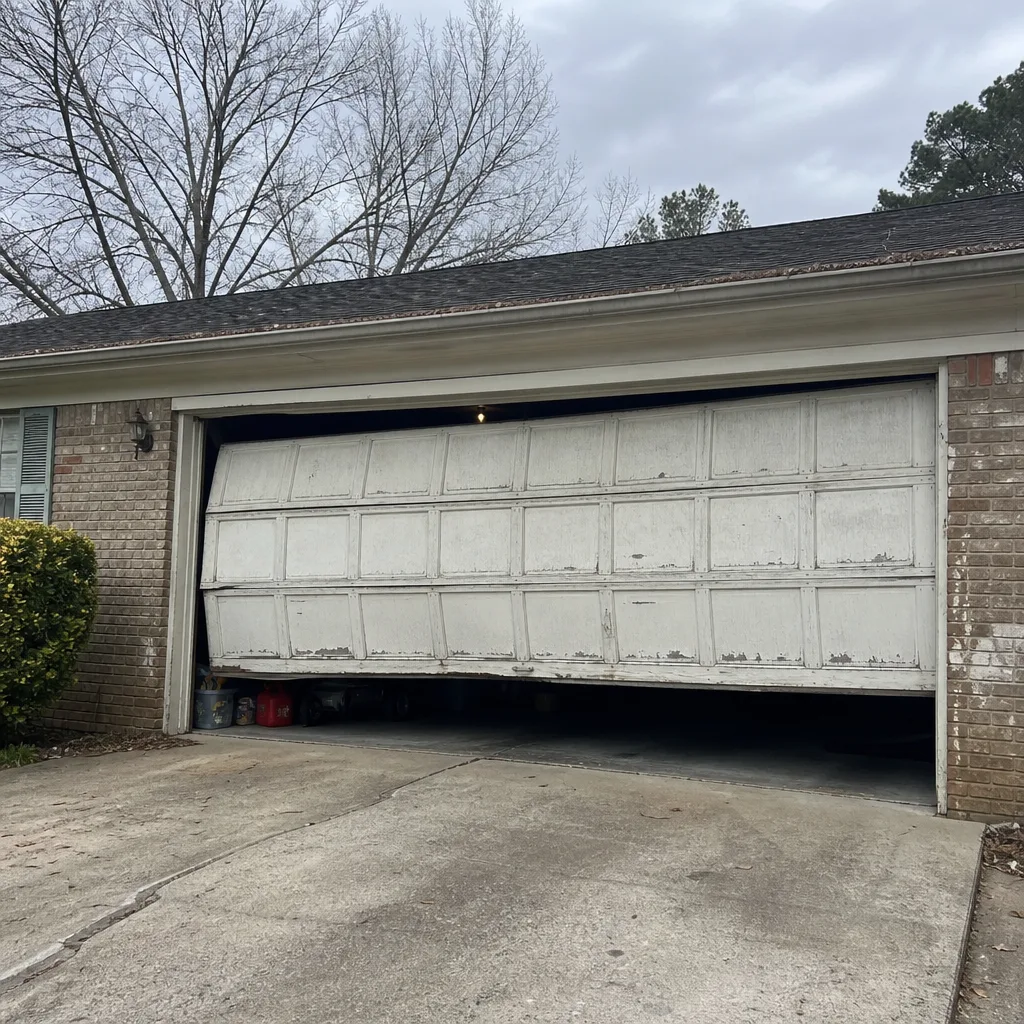 Before
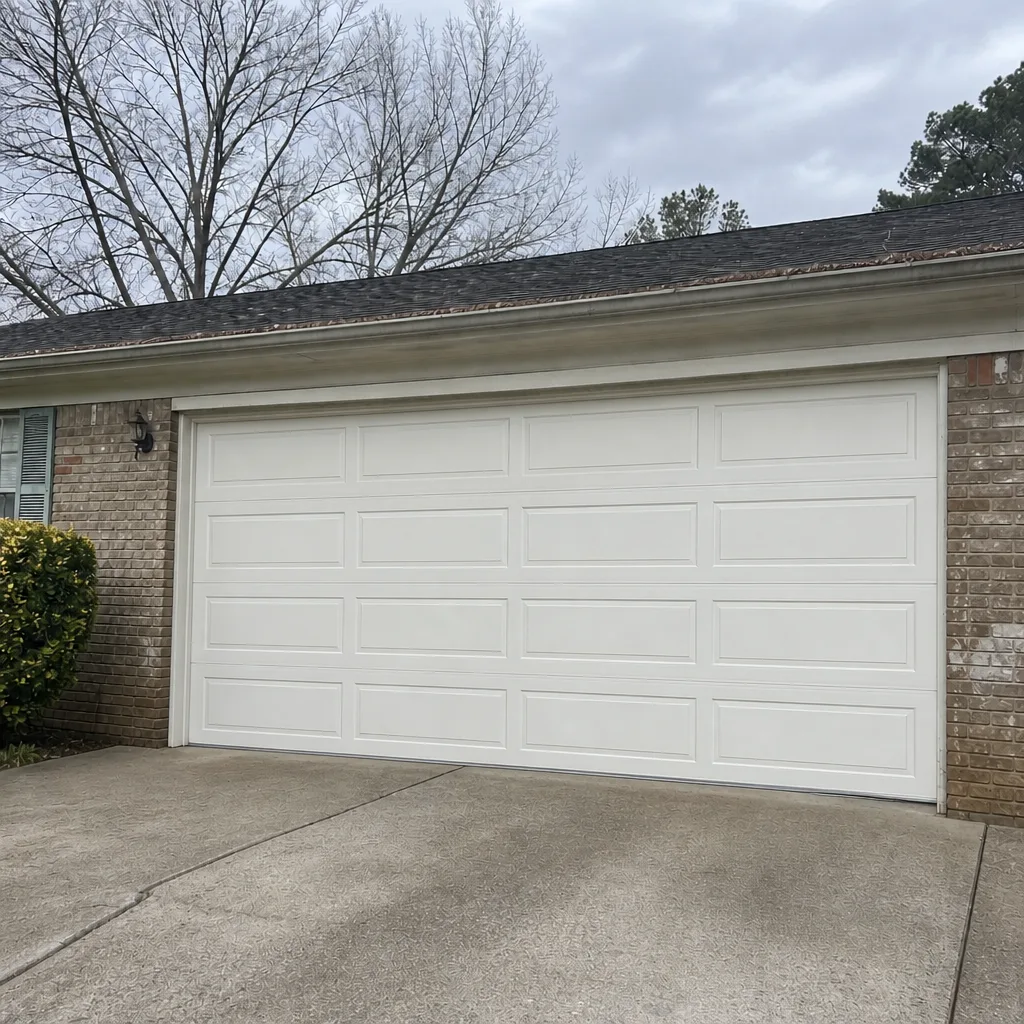 After
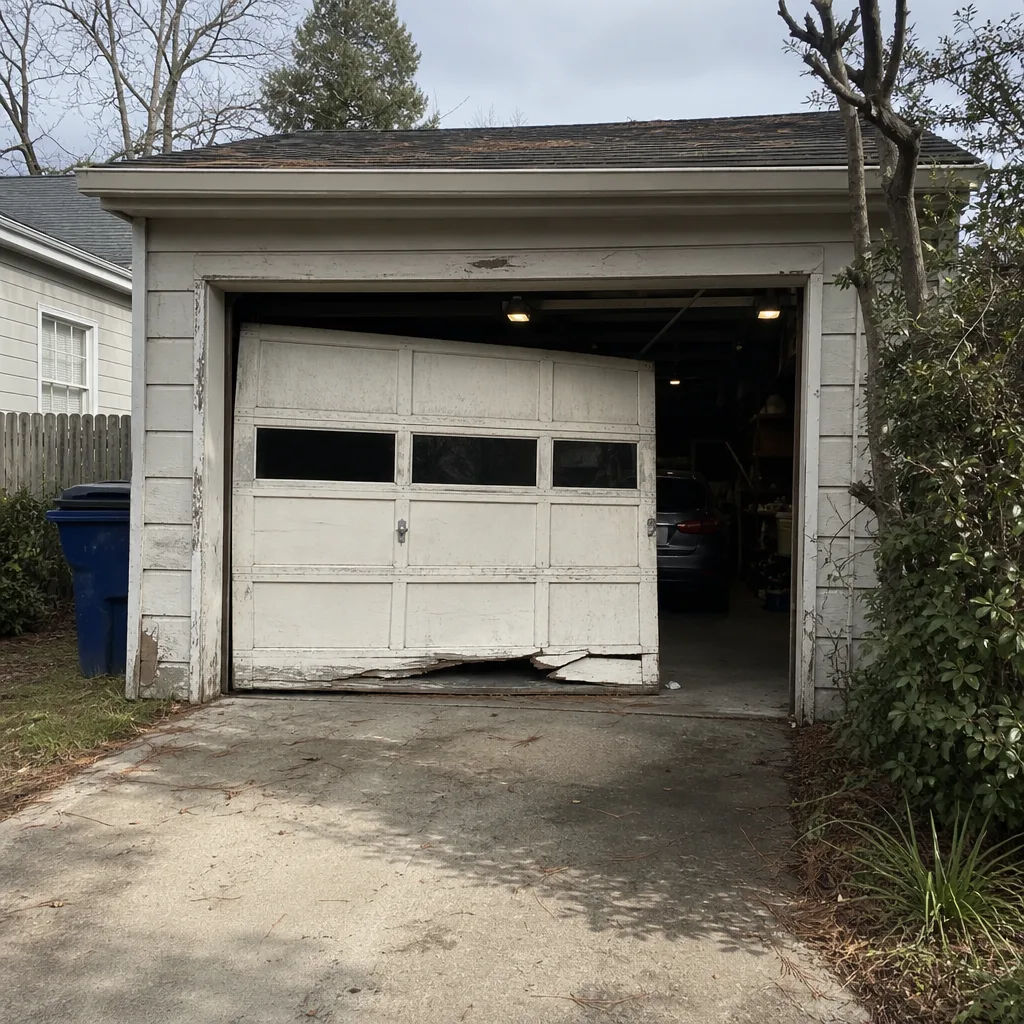 Before
 After
 Before
 After