
Last updated November 16, 2026
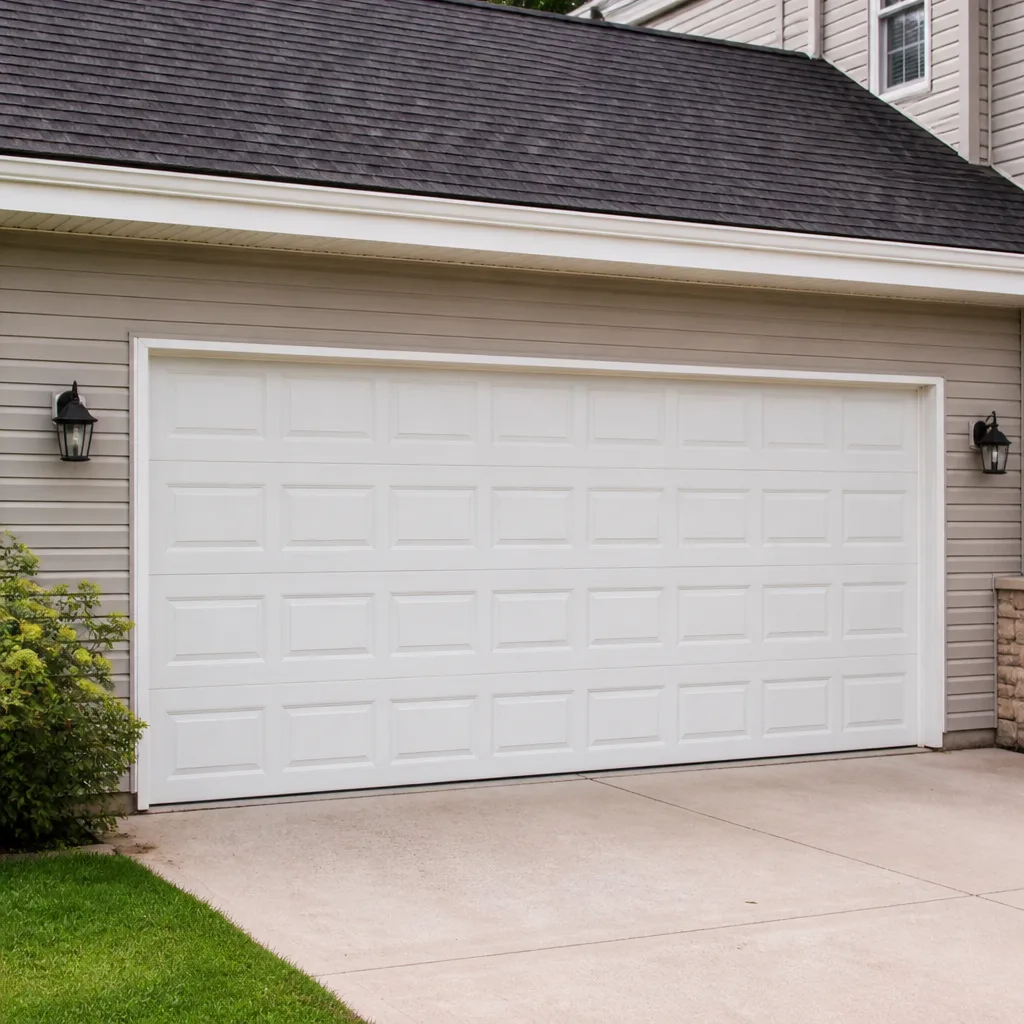 Raised-panel steel
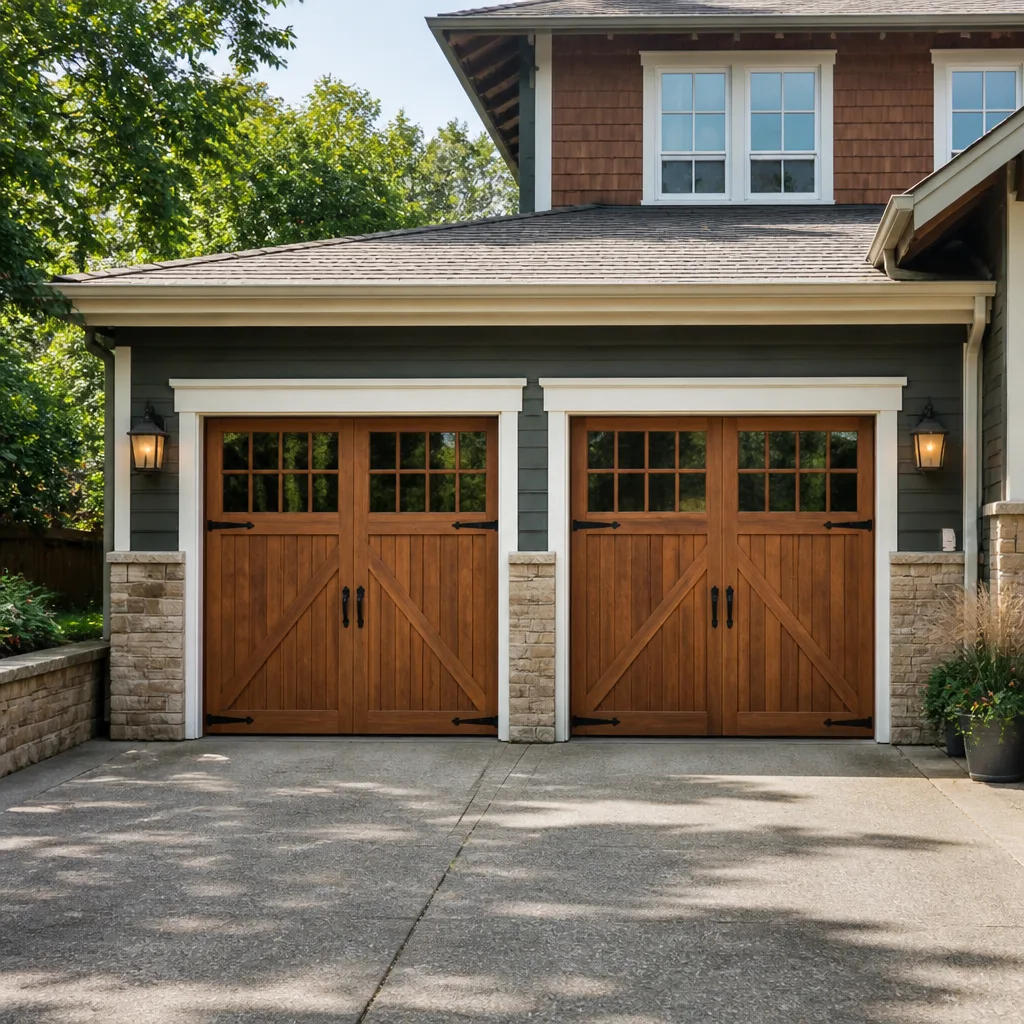 Carriage house
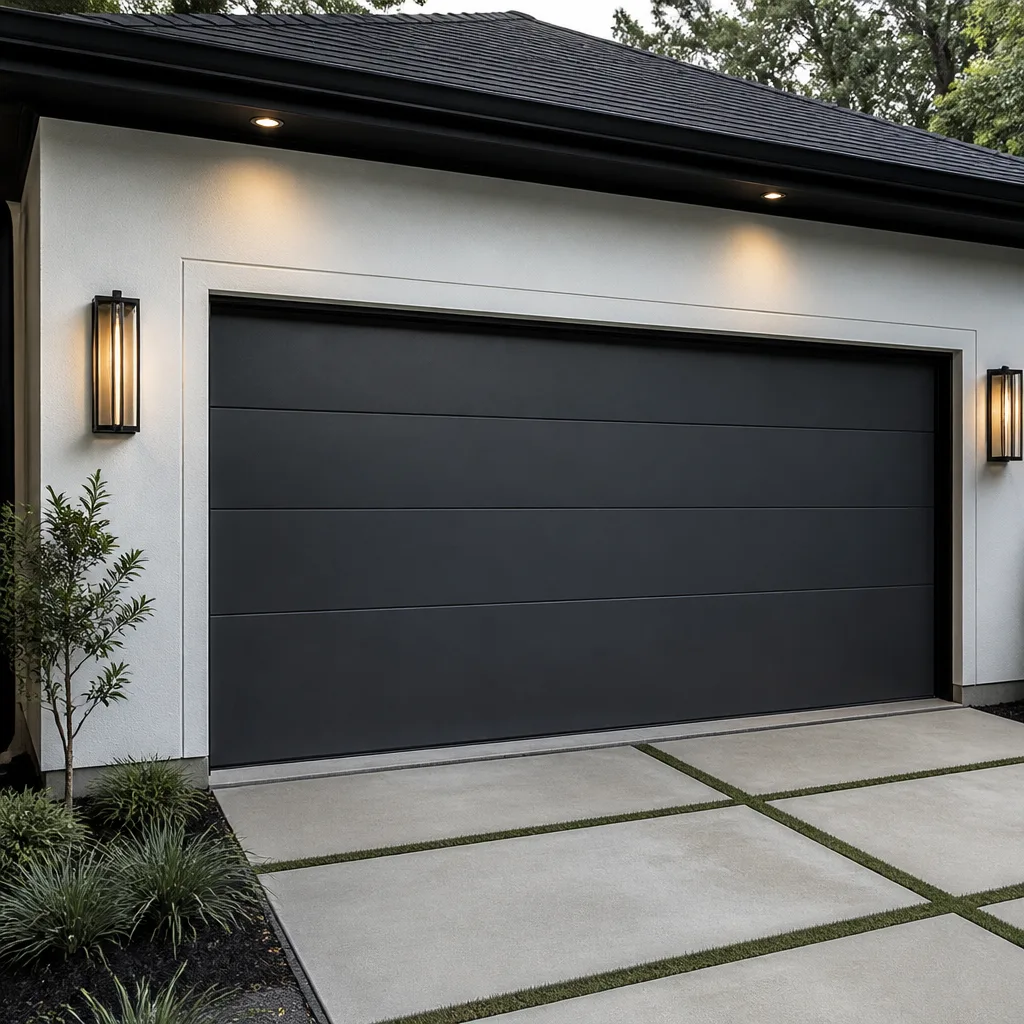 Modern flush
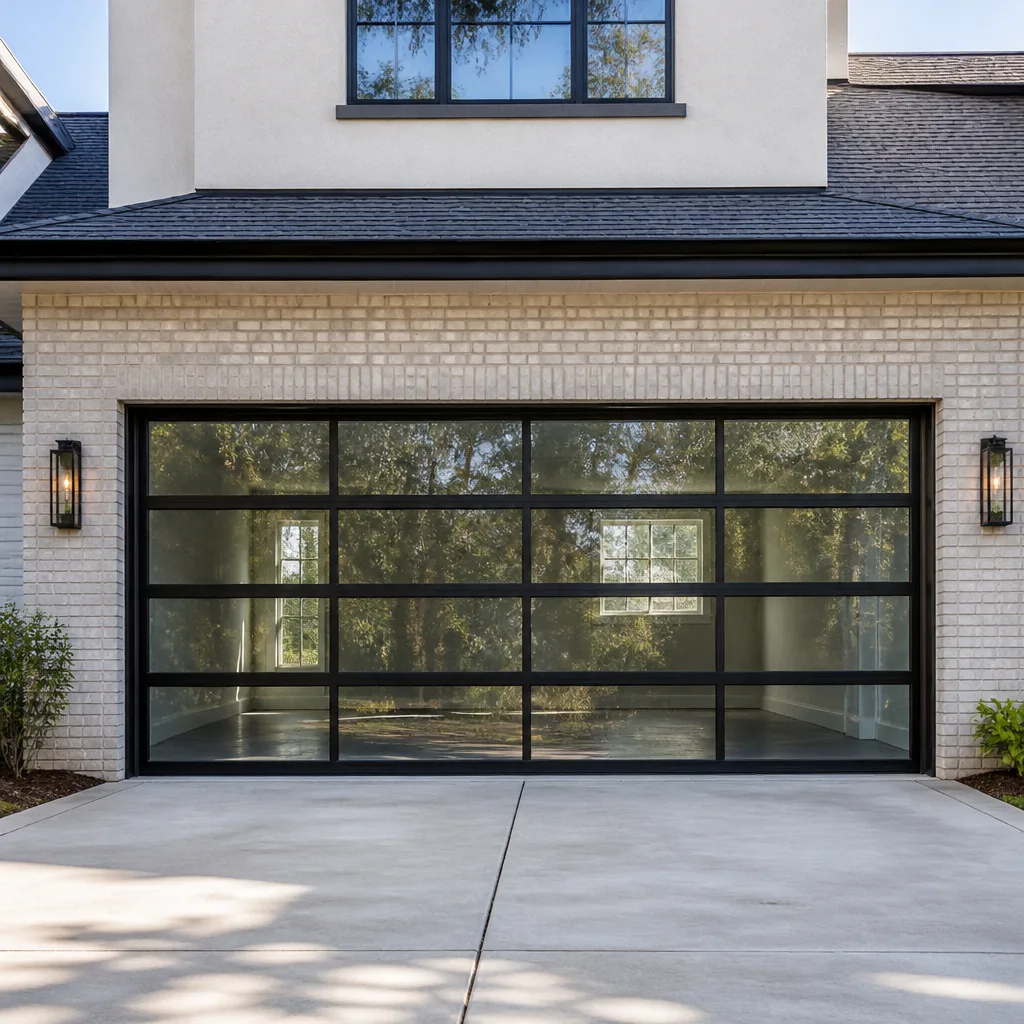 Full-view glass
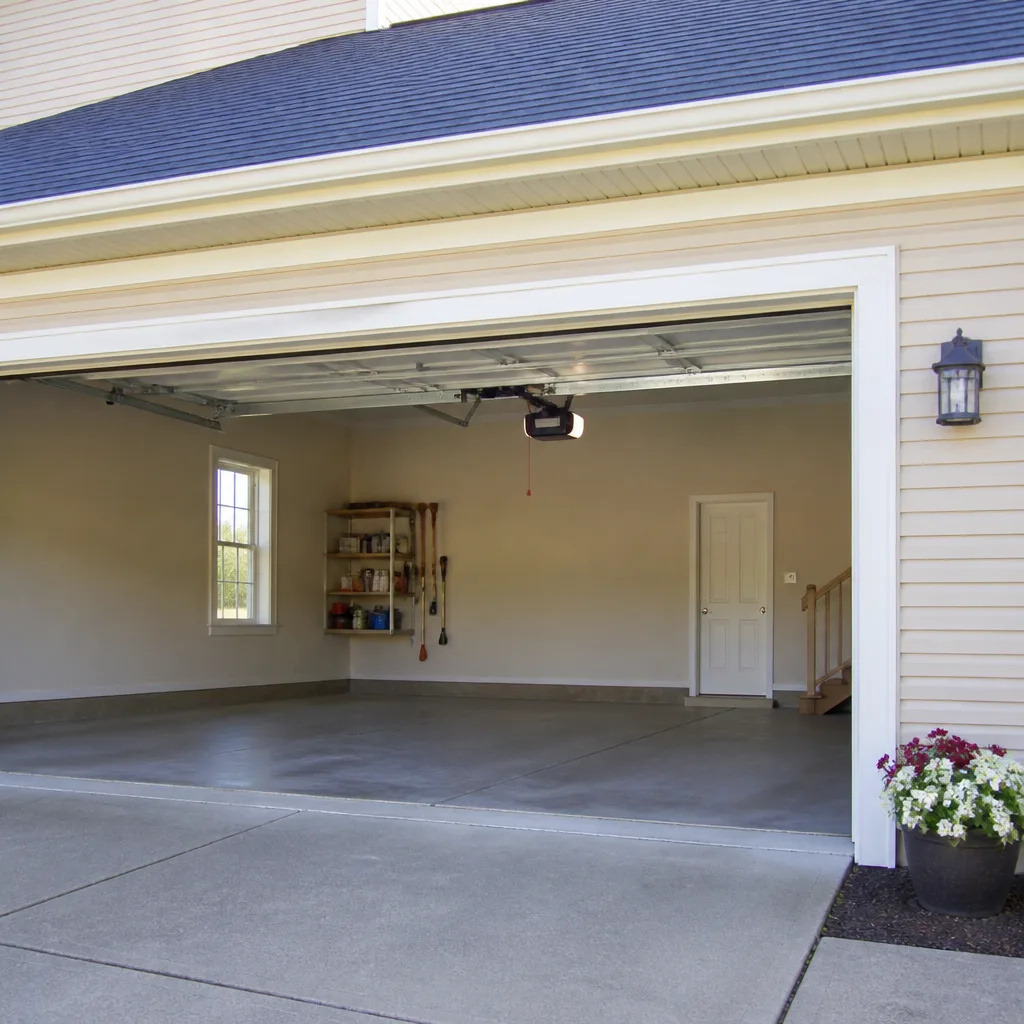 LiftMaster openers
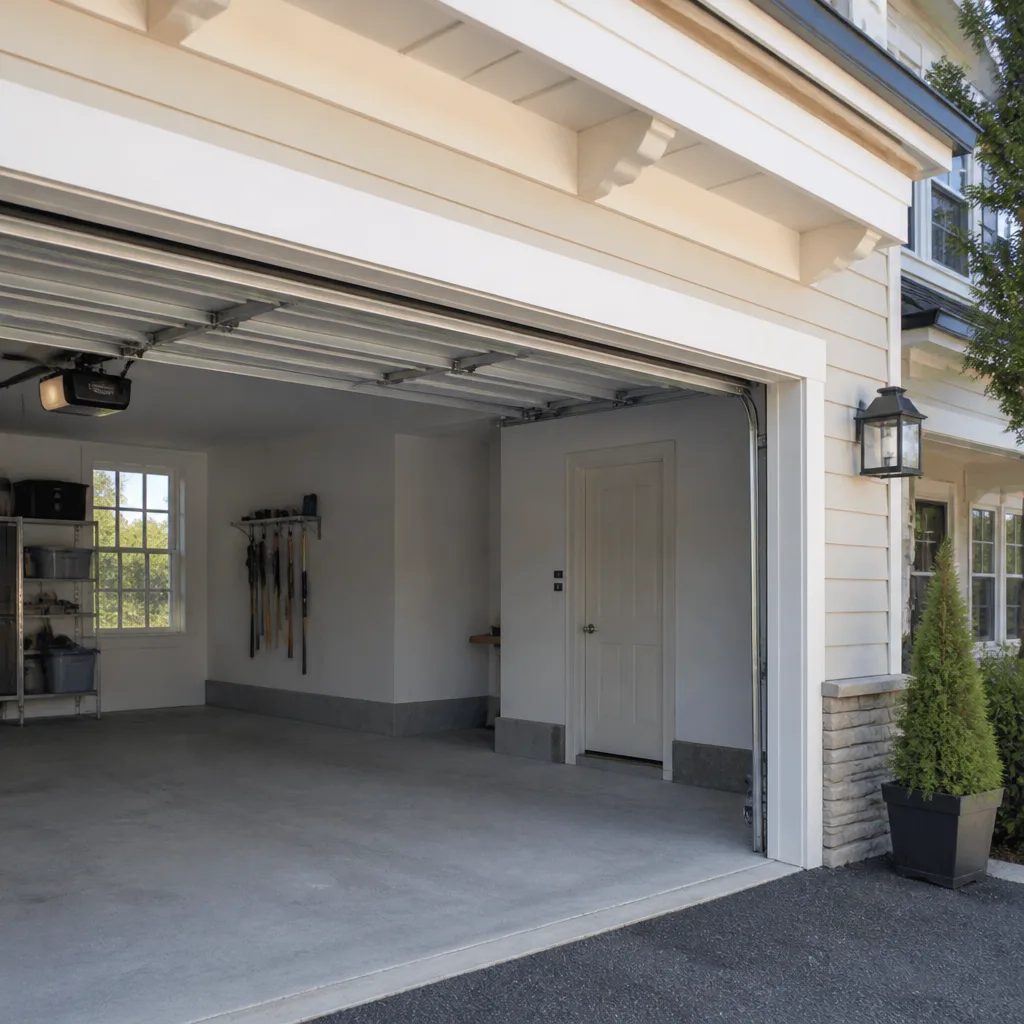 Chamberlain openers
Full 25-point door and opener safety check with every visit - springs, cables, rollers, tracks, and your LiftMaster or Chamberlain opener included
You get a price before we start. It does not change when the pro arrives.
Get your free estimateGarage Door Repair Troubleshooting in Durham: Common Problems and How to Fix Them
A garage door that “just stopped working” almost never points to one failed part. In our experience, it’s usually a single small component that quietly gave out, and its failure cascaded into two or three symptoms that all show up at once. The opener won’t lift. The door sits crooked. The light blinks. Homeowners read the first symptom, assume the motor is dead, and either buy a new opener they didn’t need or put a wrench on a spring they shouldn’t touch. This guide teaches you to diagnose before you act. You’ll learn the five mechanical categories of garage door faults, which ones a screwdriver can fix, which ones mean hands off, and how Durham’s humidity and temperature swings affect the parts that fail most.
Quick Answer
Most garage door problems in Durham fall into five mechanical categories: spring and cable failure, track and roller wear, opener and sensor faults, balance and alignment issues, and weather-related seal damage. The fastest way to troubleshoot is to first determine whether the problem is mechanical or electrical by doing a balance test with the opener disconnected. Any symptom involving a broken torsion spring, a frayed cable under tension, or a bent track means stop and call a professional.
Styles & brands we work with
- Raised-panel steel
- Carriage house
- Modern flush
- Full-view glass
- LiftMaster openers
- Chamberlain openers
Table of Contents
- The Five Mechanical Categories of Garage Door Failure
- How Durham’s Climate Affects Your Garage Door Parts
- Mechanical vs. Opener Fault: The Distinction Most Homeowners Miss
- The 10-Second Balance Test
- Symptom-to-Cause Matrix for Durham Homes
- Brand-Specific Quirks: Same Symptom, Different Cause
- The Stop-and-Call Threshold
- Common Mistakes to Avoid
The Five Mechanical Categories of Garage Door Failure
Every garage door problem we diagnose lands in one of five categories. Learning to sort your symptom into the right category is the single most useful troubleshooting skill a homeowner can build. Here’s how each category behaves.
- Spring and cable failure. Symptoms include a loud bang from the garage, a door that won’t lift at all, a door that slams down hard, or a visibly sagging top panel. Springs store enormous energy. When a torsion spring snaps, you’ll usually hear it. Cables carry that same tension and can whip when they fray. Neither is a homeowner job.
- Track and roller wear. Symptoms include grinding, squealing, a door that drifts sideways, or panels that rub the frame. Rollers wear faster in humid climates. Tracks dent from impacts and bend from doors that hit an obstruction.
- Opener and sensor faults. Symptoms include the motor running without lifting the door, the door reversing immediately, blinking opener lights, or the remote working from one distance but not another. These are electrical and often the easiest to isolate.
- Balance and alignment. Symptoms include a door that lifts unevenly, hangs at an angle, or needs manual help to close. Springs do most of the balance work, but worn pulleys and loose hinges contribute.
- Weather-related seal damage. Symptoms include drafts, water intrusion, pests, and a door that rattles against the frame in wind. Bottom seals, side seals, and threshold weatherstripping degrade with seasonal temperature swings.
If you’re unsure which category fits your door, or you’ve already tried a fix and the problem returned, a proper garage door repair diagnosis will save you from guessing at the wrong part. Our technicians have up to 15 years of experience sorting exactly these questions across Durham homes.
How Durham’s Climate Affects Your Garage Door Parts
Durham’s climate is humid and swings hard between seasons. Summer dew points stay high for months, and winter mornings regularly drop below freezing before warming by midday. Those cycles punish certain garage door components more than others, and it’s why the failures we see here don’t match what a drier part of the country sees.
Springs and humidity
Torsion springs cycle through expansion and contraction with temperature. In a humid climate, moisture sits on the wire and accelerates surface corrosion, which changes how the coil fatigues. A spring that would last years longer in a dry climate can reach its cycle limit faster here, especially on a garage that faces west and bakes in the afternoon sun. Springs don’t fail gracefully: when they break, the door becomes unsafe within seconds.
Cables and freeze-thaw cycles
Freeze-thaw cycles work on the steel cable strands the same way they work on a driveway crack. Tight bends around the drum stress individual strands. Add humidity and the surface micro-pitting that follows, and cables wear from the inside out. A cable with a single broken strand is a warning, not a nuisance.
Rollers and seasonal binding
Rollers carrying nylon or plastic wheels expand and contract with temperature. In a Durham summer, the track expands slightly; in a cold snap, it contracts. A door tuned perfectly in July can bind against the track in January. That binding stresses the opener and eventually the springs. Steel rollers in humid environments rust and stop rolling smoothly, which grinds the track.
What this means for troubleshooting
If your door worked all summer and started binding in the first cold snap, suspect track clearance and roller wear, not the opener. If it started grinding mid-summer, suspect humidity-related rust and lubrication. If a specific panel sags after a humid stretch, suspect the spring system and stop lifting the door manually. Our garage door repair service covers these climate-driven failures specifically.
Mechanical vs. Opener Fault: The Distinction Most Homeowners Miss
The most expensive troubleshooting mistake we see is assuming the opener is at fault when the door’s mechanical system is what’s failing. An opener is a motor attached to a chain, belt, or screw. It pushes and pulls. If the door can’t move freely, the opener will strain, reverse, or stall, and it will look broken. It usually isn’t.
Before you look at the opener at all, ask a different question: can the door move freely by hand? That’s the mechanical check. If the answer is no, the opener has been telling you the truth the whole time.
How to tell the difference
- Disconnect the opener. Most openers have a manual release cord hanging from the trolley. Pulling it disconnects the door from the motor.
- Try to lift the door by hand. A balanced door should lift with one hand and stay where you leave it. If it feels like lifting a car, the mechanical system is the problem.
- Look at the opener lights. Modern openers from LiftMaster and Chamberlain flash or blink error codes when they detect an obstruction. Older Genie and Craftsman units often just stop and reverse. A blinking light is information, not a diagnosis.
- Check the safety sensors at the floor. Garage door openers use a pair of photo-eye sensors near the floor. If they’re misaligned, blocked by a leaf, or fogged, the door reverses immediately every time. This is the single most common opener “fault” we correct.
Only after those steps does troubleshooting the opener itself make sense. If the door moves freely by hand and the sensors are clean, then the motor, logic board, or remote programming is worth checking. If the door is stiff, binding, or heavy, the fix usually isn’t electrical at all. When you reach the electrical stage, our garage door opener repair service can isolate the fault across the major brands.
The 10-Second Balance Test
The balance test is the quickest way to know whether the door itself is the problem before you ever touch the opener. It takes about ten seconds and requires no tools.
- Close the door fully. Make sure nothing is under it and the area around it is clear.
- Pull the manual release cord. This disconnects the door from the opener trolley so you’re testing only the door.
- Lift the door by hand to about waist height. You’re checking two things: how much effort it takes, and what happens when you let go.
- Let go. A well-balanced door stays where you leave it. If it drops, the springs aren’t supporting it. If it rises, the spring tension is too high. If lifting takes real effort, the system has lost its balance.
- Reconnect the trolley. Push the door back down and re-engage the release cord.
What you learn from the test matters more than the test itself. A door that drops indicates the spring system is weak or broken. That’s a stop-and-call result. A door that lifts with modest effort and stays put means the mechanic side is healthy, and any problem you’re seeing belongs to the opener. If you’re in a Durham home with a door that’s stopped responding entirely, that information alone changes who you call first.
Symptom-to-Cause Matrix for Durham Homes
Use the table below to match what you’re seeing with what’s likely wrong. This isn’t a diagnostic tool, but it tells you which category of problem you’re dealing with and whether it’s a homeowner task or a technician task.
- Loud bang, then door won’t move: Broken torsion spring. Technician task. Do not lift the door manually.
- Door lifts 6 inches and reverses: Safety sensor misalignment or obstruction. Homeowner check.
- Door moves but drags or grinds: Worn rollers or bent track. Technician task for track alignment; lubrication may help temporarily.
- Door sags at one corner: Spring, cable, or hinge failure. Technician task.
- Opener light blinks, door won’t move: Sensor or logic board fault. Homeowner check for sensor; technician task for logic board.
- Door goes up easily, comes down hard: Spring tension off; do not operate. Technician task.
- Remote works only when close: Battery, interference, or antenna issue on opener. Homeowner check for battery first.
- Cable appears frayed or kinked: Technician task. Never touch a cable under tension.
- Water in the garage after heavy rain: Bottom seal or threshold failure. Homeowner-replaceable in some cases; technician task for full seal replacement.
- Door rattles in winter wind: Weather seal and hinge wear. Homeowner check; technician task for full seal.
Across Durham neighborhoods from Trinity Park to Southpoint, the symptom mix stays fairly consistent, but the cause often depends on how the garage is oriented and how often the door cycles. A door facing west gets more afternoon heat. A south-facing door gets more morning sun on the seal. Both cook the parts that fail most.
Brand-Specific Quirks: Same Symptom, Different Cause
A door that reverses immediately is a door that reverses immediately. But on a Chamberlain opener, that symptom usually points to a sensor alignment fault or a travel-limit setting. On a Genie, it’s more often a force-setting issue or a worn drive gear. On a LiftMaster, it’s frequently an obstruction in the photo-eye path or a Wi-Fi module sending a false fault. Same symptom. Three different root causes. That’s why brand knowledge changes the diagnostic order.
We work on eight major brands: LiftMaster, Chamberlain, Genie, Clopay, Amarr, Wayne Dalton, Craftsman, and Raynor. That coverage means technicians recognize the quirk patterns for each system instead of treating every opener like a generic motor and every door like a generic slab.
Chamberlain and LiftMaster
Both are the same underlying platform, and both are widely installed in Durham homes. Travel limits and force settings are stored in the opener head and can drift after a power surge or a motor strain event. Wi-Fi enabled units may send a fault notification even when the mechanical system is healthy, which points homeowners at the board when the real issue is a sensor or a stiff door. Chamberlain and LiftMaster remotes often require reprogramming after a battery change; that process is easy to get wrong.
Genie
Genie openers, especially older belt and chain drive models, tend to develop drive gear wear that mimics a motor failure. The opener runs, the light stays on, the door doesn’t move. Homeowners often assume the motor burned out; more often it’s a stripped gear. Genie safety sensors are also more sensitive to misalignment after a floor impact than other brands.
Craftsman
Craftsman openers are legacy systems still running in a lot of Durham garages. Many use older mechanical limit switches rather than electronic ones. They don’t drift the same way newer openers do, but they do need lubrication and belt or chain tension checks periodically. Parts availability is the real constraint, not diagnostics.
Door manufacturers
Clopay, Amarr, Wayne Dalton, and Raynor all build steel doors that face the same weather here, but their panel construction differs. Some handle humidity-driven expansion better than others. Wayne Dalton and Raynor doors with older torsion setups sometimes need hardware replacement earlier than the panel itself needs work. If you’re wondering whether a repair is worth it or a new door makes more sense, compare the cost of the repair against the age and wear of the panel.
The Stop-and-Call Threshold
Some symptoms mean stop what you’re doing and call a technician. No amount of DIY skill changes that, and touching these parts can cause serious injury.
- A broken torsion spring. A torsion spring holds the weight of your door under extreme tension. When it snaps, the door is unsafe to lift or operate. Never attempt to remove a broken spring or install a new one. The stored energy is enough to cause fatal injury.
- A frayed or kinked cable under tension. Cables carry loads comparable to the spring. A single broken strand is a warning. Never put a hand near a cable under tension, and never wrap tape around it and keep using the door.
- A visibly bent or crimped track. A bent track is a mechanical safety issue, not a cosmetic one. The door can jump the track and fall.
- Any electrical work inside the opener or at the panel. If you suspect a wiring fault, a tripped breaker that won’t reset, or a burning smell from the opener, stop. Electrical work belongs to a trained professional.
For those four categories, hands off. For everything else, a homeowner can usually make a safe initial check. If you’re unsure, that uncertainty is your signal to call. Our Durham Garage Door Service team handles these exact scenarios every week across the region.
Common Mistakes to Avoid
- Assuming the opener is broken when the door is stiff. The door is the first thing to test, not the motor. Every time we diagnose a “failed” opener that was actually a seized roller or a snapped spring, the homeowner had already priced a replacement part they didn’t need.
- Forcing a door that reverses. Holding the wall button to push a door through an obstruction strains the springs, the cables, and the opener. Find the obstruction or the sensor fault instead.
- Lubricating a track with the wrong product. Grease on a garage door track attracts grit and creates a paste that wears rollers faster. In Durham’s humid climate, that paste holds moisture against the steel. Use a track-appropriate lubricant, not axle grease, not cooking spray.
- Ignoring one broken cable strand. A single broken strand is a warning; waiting shreds the drum and can turn a cable job into a door replacement. The cost difference is significant.
- Replacing an opener to fix a sensor problem. Misaligned or dirty photo-eye sensors cause more “dead opener” calls than any other fault. Clean the lenses and check the alignment first, before you spend money.
- DIY spring replacement. Torsion springs are the single most dangerous component on a garage door. A visit does not cost less than a safe outcome; it costs less than an injury. Stop and call.
- Doing the balance test with the opener connected. The test tells you nothing if the trolley is still hooked up. Disconnect it first, and reconnect it before running the opener again.
See the difference
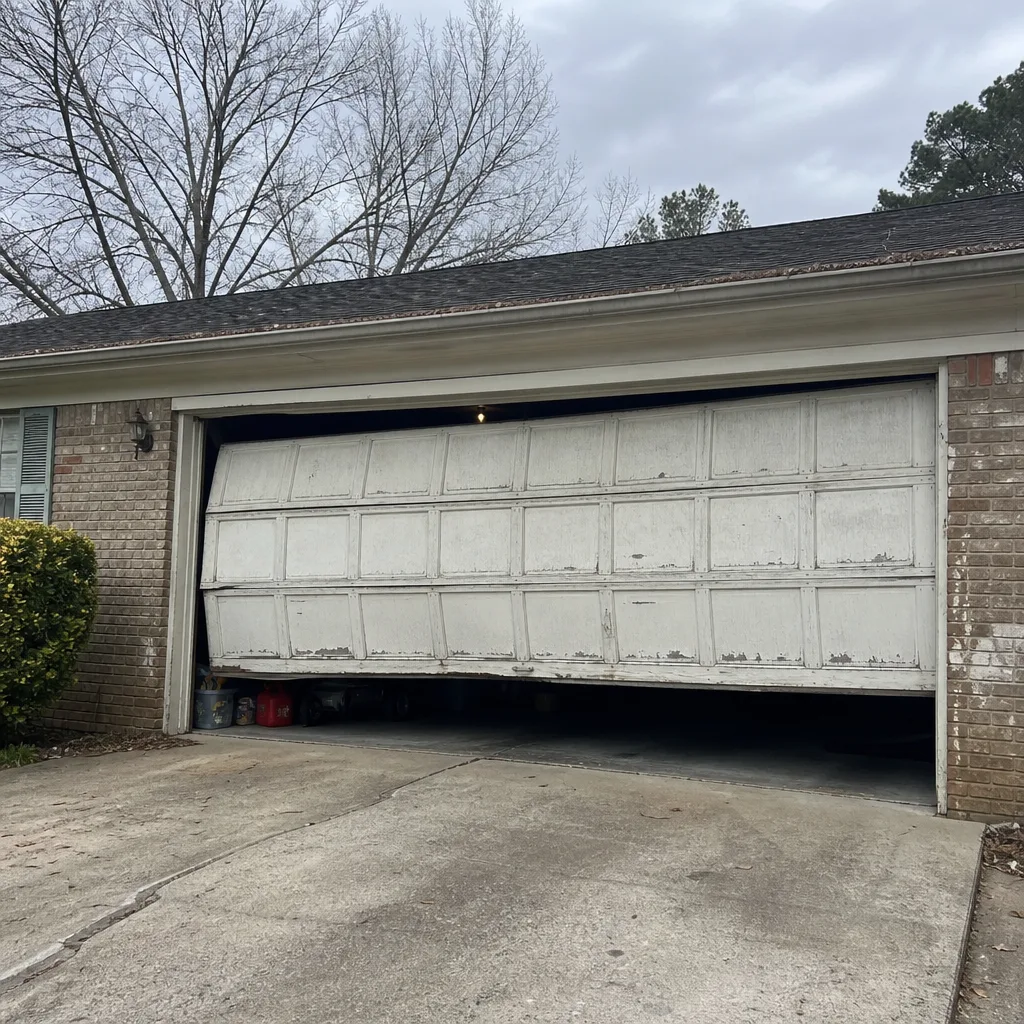 Before
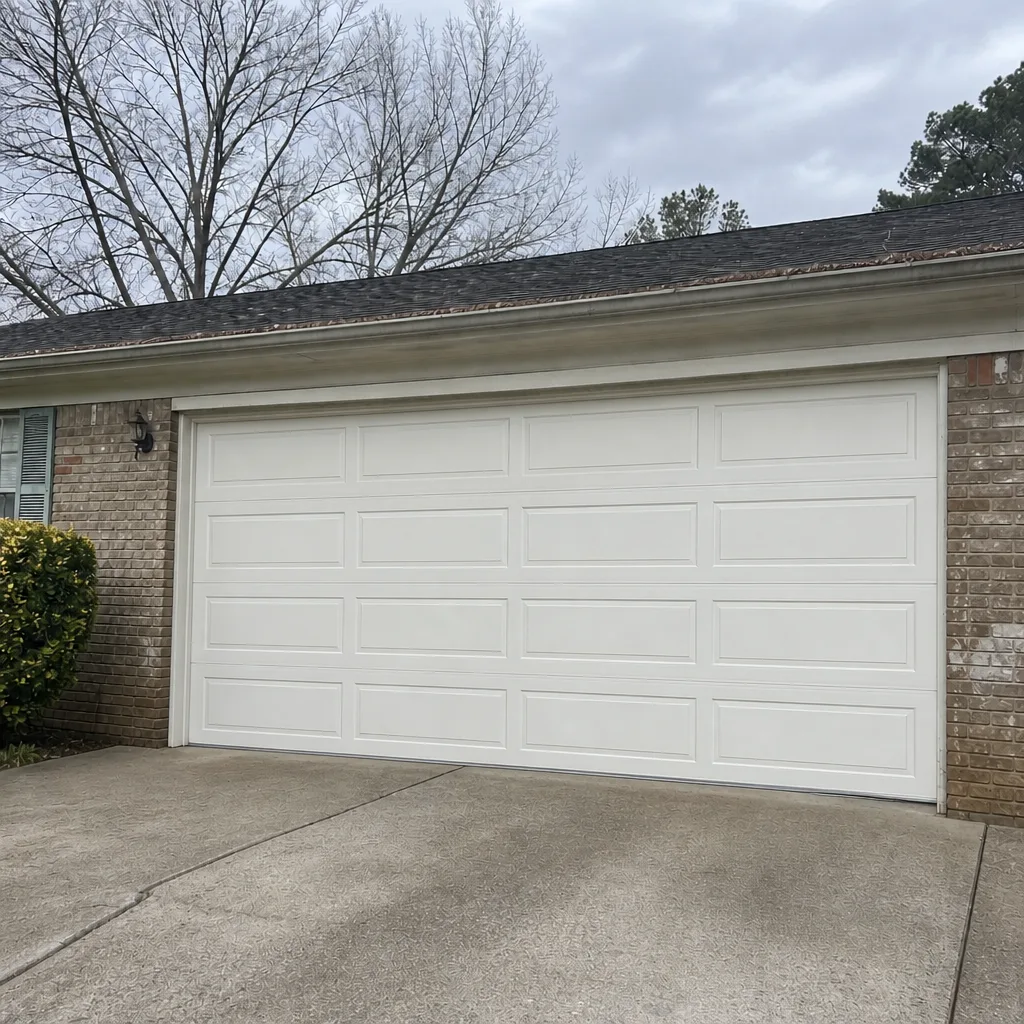 After
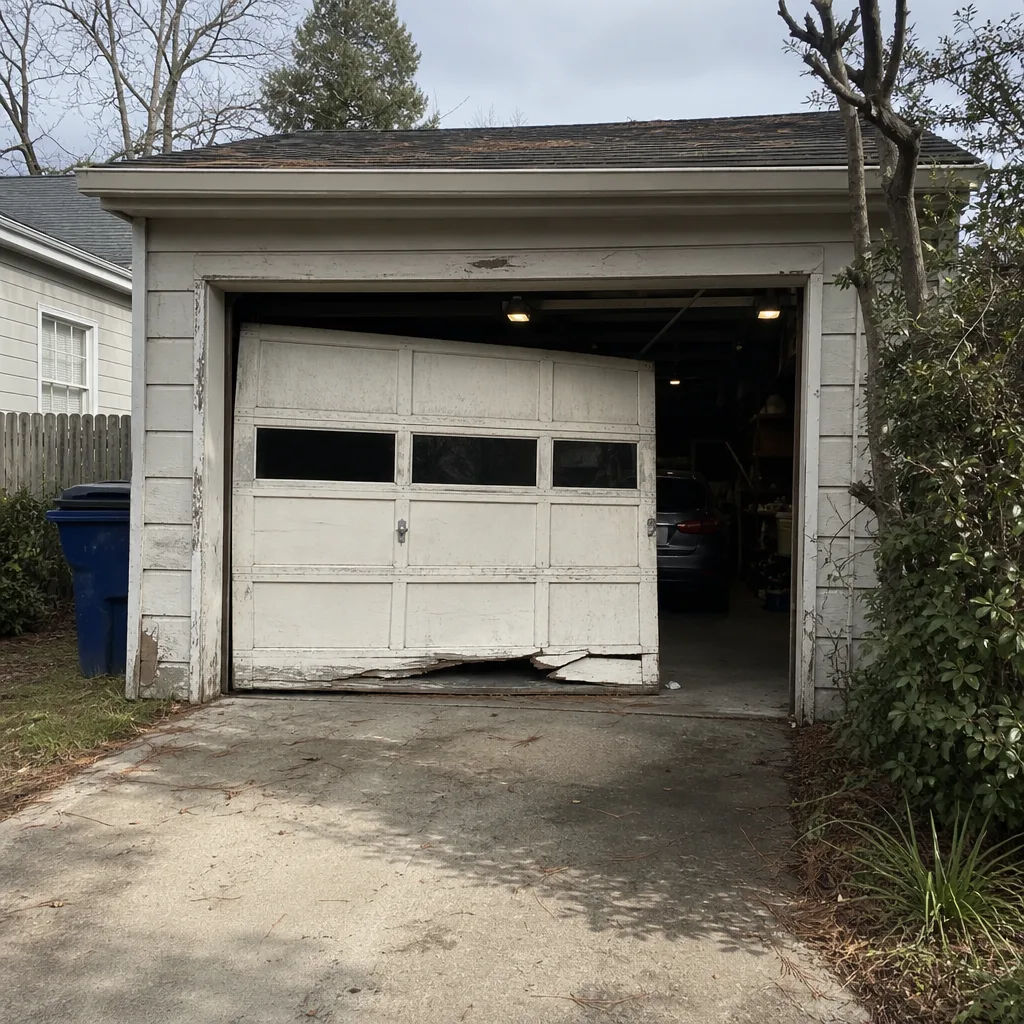 Before
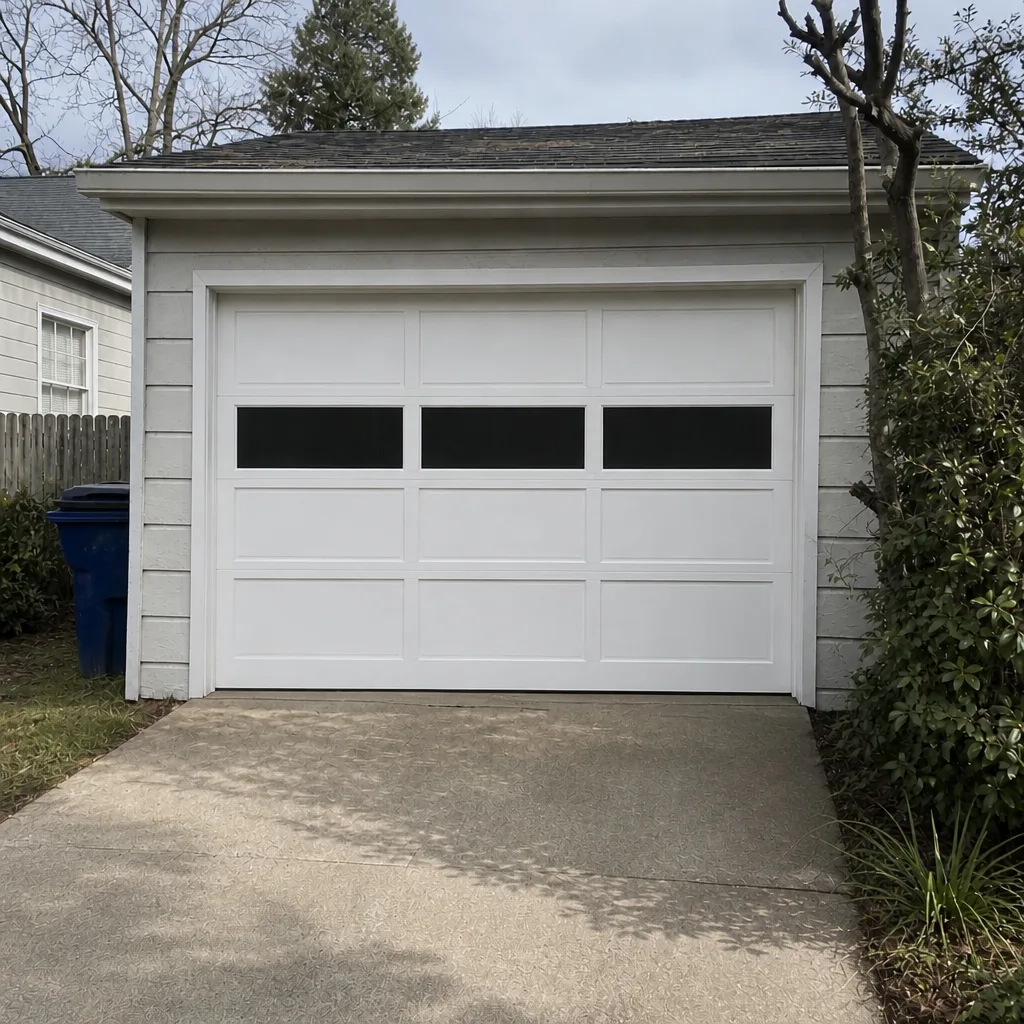 After
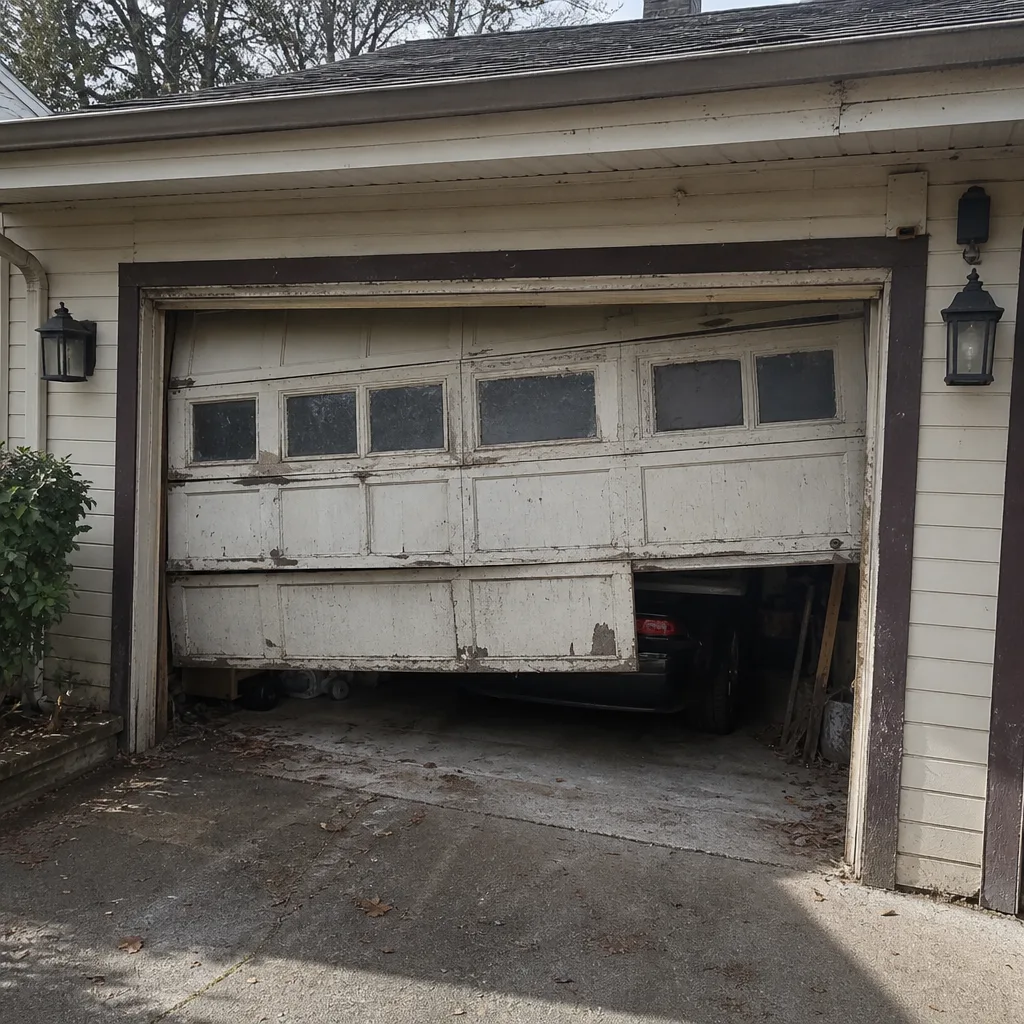 Before
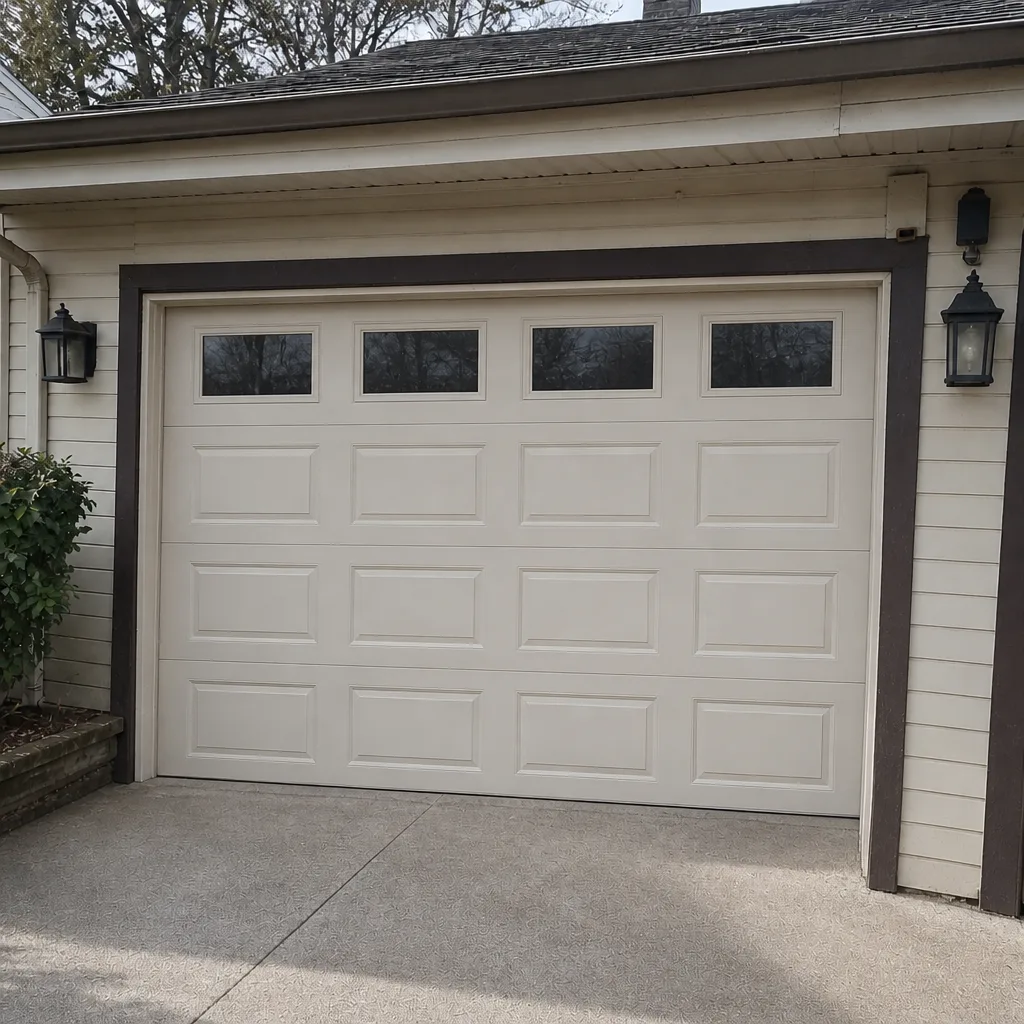 After
When to Call a Professional
Call a technician when the symptom is on the stop-and-call list, when you’ve completed the balance test and the door won’t hold its weight, when the door is visibly out of alignment, or when a fix you made two weeks ago has returned. For Durham homes, we also recommend calling if a spring, cable, or roller issue coincides with a seasonal transition, since those stresses often reveal themselves together. If you’re not sure, a diagnosis costs you nothing to ask about, and it may save you from buying parts you don’t need. Durham Garage Door Service offers free estimates in Durham. Call (844) 460-7528. We answer 24/7. Fast dispatch from 7am to 7pm, Sunday through Friday. Our technicians have up to 15 years of experience diagnosing mechanical and opener faults across the eight major brands. Learn more about our service area on the Durham page.
Frequently Asked Questions
A sudden failure almost always traces to a single failed part rather than a gradual decline: a snapped torsion spring, a broken cable, a dead opener logic board, or a safety sensor knocked out of alignment. Run the balance test first to see whether the door moves freely by hand. If it doesn’t, the problem is mechanical and likely spring or cable. If it does, the problem is usually the opener or the sensors. Call (844) 460-7528 for an exact diagnosis. Estimates are free.
You can safely handle sensor cleaning, remote battery replacement, seal replacement on some doors, and basic lubrication. You should never attempt spring, cable, or track alignment work yourself, because those parts are under tension and can cause serious injury if handled wrong. Most other jobs are best left to a technician to avoid creating a second problem on top of the first.
Pull the manual release cord to disconnect the opener, then lift the door by hand. If the door lifts with modest effort and holds its position, the door is balanced and healthy, and the problem is in the opener or its sensors. If the door feels heavy, drops when you let go, or binds in the track, the door itself is the problem. That distinction should always be checked before anyone looks at the opener’s electronics.
The most common cause is a safety sensor obstruction or misalignment. The two photo-eye sensors near the floor must see each other continuously; a leaf, a fogged lens, or a bumped bracket breaks that signal. On a Chamberlain or LiftMaster, the opener will blink its lights as a code. On a Genie, it may reverse silently. Clean the lenses, check the alignment, and retry. If it still reverses, the force setting or the logic board is the next check. Call (844) 460-7528 for a free estimate on the repair.
No. The written estimate you receive sets the final price, and we quote and agree on that number before any work starts. If a hidden issue is found mid-job, we stop and re-quote before continuing. You’ll never be handed an invoice larger than the agreed price without your approval. Call (844) 460-7528 for a free estimate.
They can. Humidity accelerates corrosion on torsion springs and cables, and seasonal temperature swings expand and contract the track and rollers, which stresses the mechanical system. A door tuned in a Durham summer often binds on the first cold snap. Keep the springs clean and dry, lubricate the rollers, and have the system checked at season transitions to catch wear before it becomes a failure.
The Bottom Line
Most garage door failures look bigger than they are. A single broken part cascades into a handful of symptoms that make the whole system seem dead. Diagnose before you spend: run the balance test, separate mechanical faults from opener faults, and know which symptoms mean stop and call. For most homeowners, the answer is simpler than it feels. For those in Durham who want a definitive diagnosis from a technician who knows the brand on their door and has checked the climate-driven issues we see here every season, we’re ready. Call (844) 460-7528. We answer 24/7. Fast dispatch from 7am to 7pm, Sunday through Friday. Estimates are free, and the price is set per job by the written estimate before any work starts.
Written by the team at Durham Garage Door Service.