
Last updated November 16, 2026
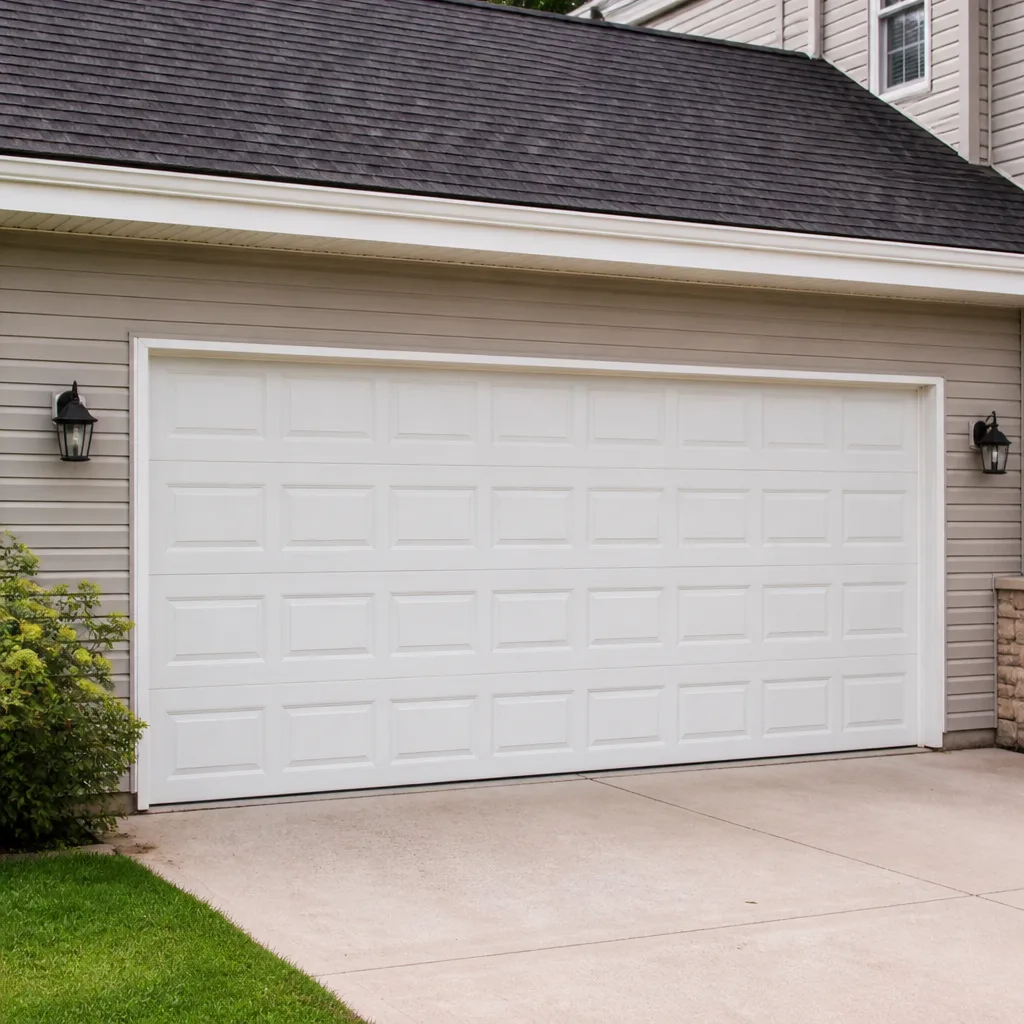 Raised-panel steel
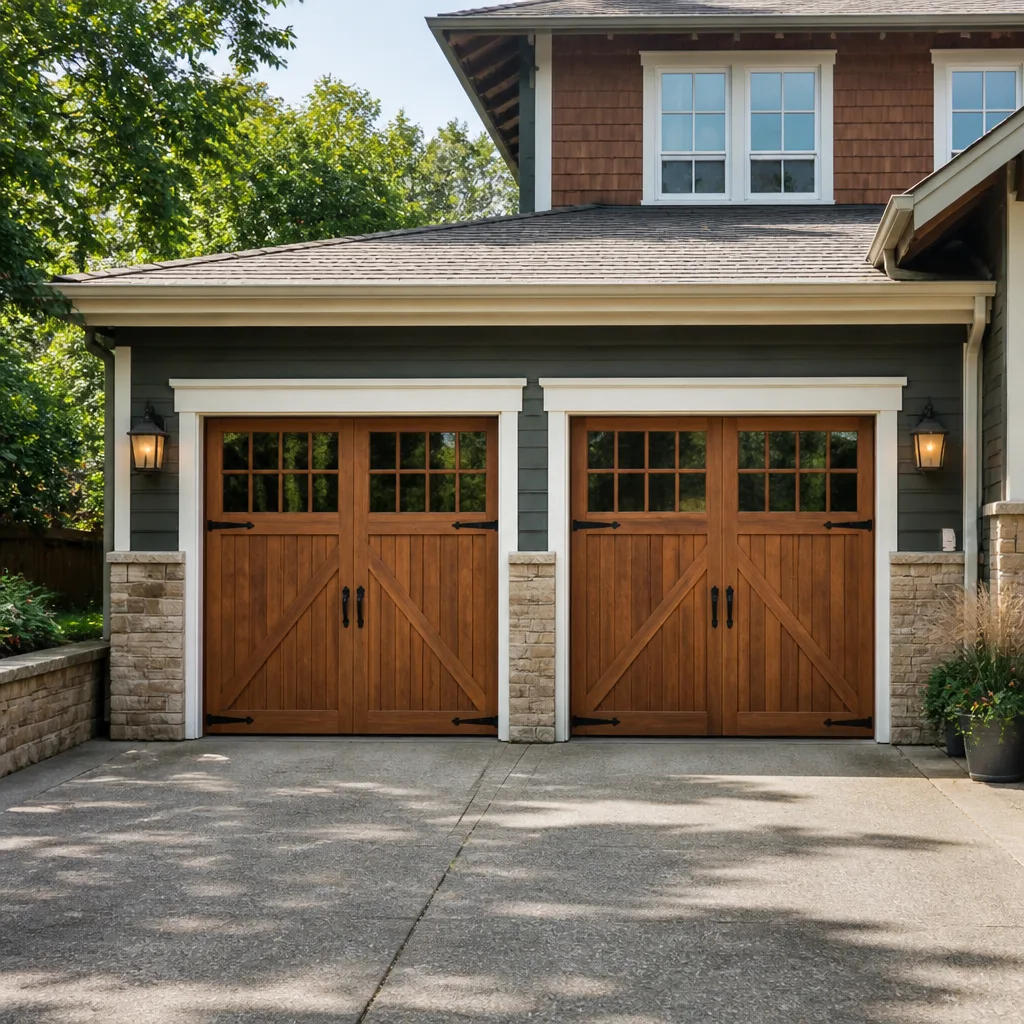 Carriage house
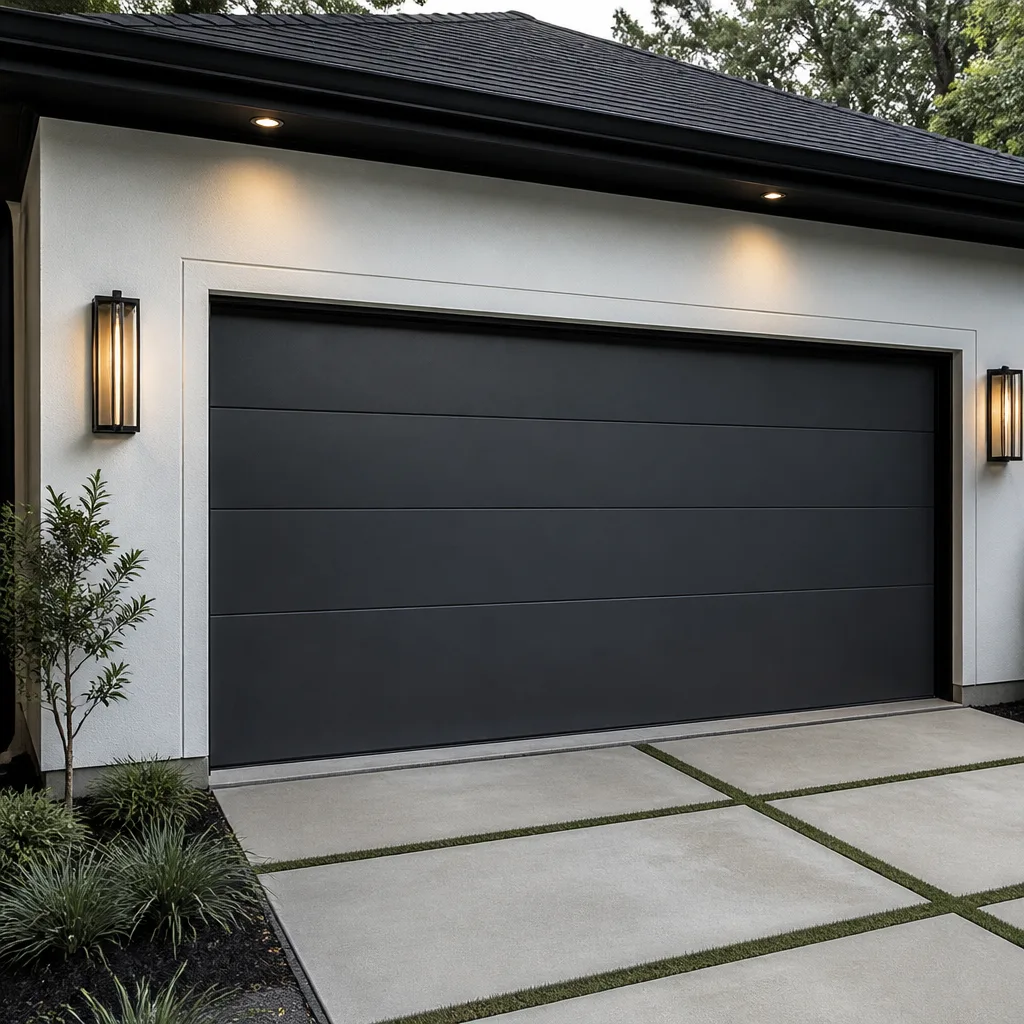 Modern flush
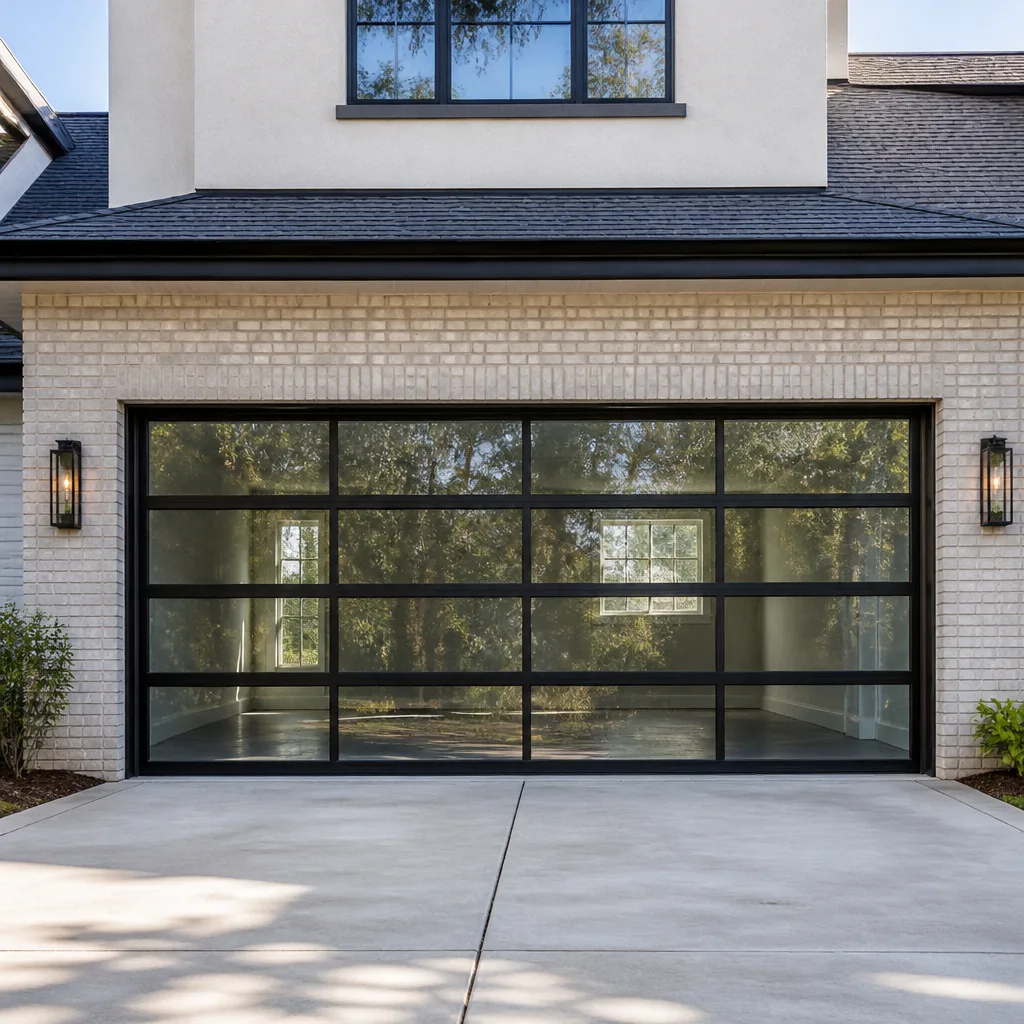 Full-view glass
 LiftMaster openers
 Chamberlain openers
Full 25-point door and opener safety check with every visit - springs, cables, rollers, tracks, and your LiftMaster or Chamberlain opener included
You get a price before we start. It does not change when the pro arrives.
Get your free estimateGarage Door Permits, Codes & Inspections in Durham, NC: What You Need to Know
Most Durham homeowners assume a garage door swap is maintenance, not construction. That assumption is where trouble starts. The line between a routine replacement and a permitted alteration comes down to how the door’s performance changes, and that line is blurrier than a lot of contractors admit up front. A door that matches the old one in wind rating and operation usually falls outside the permit threshold. A door that changes the wind load, the opening, or the structural attachment doesn’t. This guide walks through the threshold, how city and county permitting differ around Durham, what an inspector actually checks, and what unpermitted work can cost you down the road.
Quick Answer
In Durham, a garage door replacement generally needs a permit when it changes the door’s wind-load rating, alters the rough opening, or involves new structural attachment; a true like-for-like swap of the same size and rated assembly is usually treated as routine maintenance under the NC Residential Code. Properties inside city limits fall under Durham city permitting, while properties in unincorporated areas fall under Durham County. When in doubt, call the Durham building department before you order a door, because the answer depends on the exact specs of what’s going in.
Styles & brands we work with
- Raised-panel steel
- Carriage house
- Modern flush
- Full-view glass
- LiftMaster openers
- Chamberlain openers
Table of Contents
- When does a garage door replacement need a permit in Durham?
- City of Durham vs. Durham County permits: what’s the difference?
- What does a wind load rating mean for a Durham garage door?
- How unpermitted garage door work shows up on a title search
- The inspection sequence after a permitted installation
- Which door specs satisfy Durham code requirements?
- When to bring in a professional
When Does a Garage Door Replacement Need a Permit in Durham?
A garage door replacement needs a permit in Durham when it changes the rated wind resistance of the assembly, resizes or reshapes the opening, or introduces new structural connections to the framing. A like-for-like swap of an identical or equivalently rated door is usually handled as maintenance and doesn’t trigger the same review. The NC Residential Code treats the garage door as part of the building envelope, so anything that changes how the envelope performs is where the permit conversation begins.
Here’s the practical breakdown of what typically triggers a permit versus what usually doesn’t:
Usually treated as routine maintenance (no permit)
- Replacing a door with the same size, same wind rating, and same track and hardware configuration
- Replacing springs, cables, rollers, hinges, or the opener
- Replacing a single damaged panel with an identical panel
- Adjusting or re-hanging an existing door in its existing opening
Usually requires a permit
- Upgrading to a higher wind-load rating or a heavier door than the opening was built for
- Changing the width or height of the door or the rough opening
- Converting a manual door to an opener where new electrical work is involved
- Reinforcing or modifying the header or structural attachment
- Adding a garage door where there wasn’t one (new opening in the wall)
The tricky part is the gray zone. A door that’s the same nominal size but a different manufacturer’s model with a different wind rating can land on the permit side even though nothing visibly changed. That’s why the door’s spec sheet matters as much as the tape measure. If you’re not sure which side of the line your project sits on, call the Durham building department and read them the specs. It’s a five-minute call that saves weeks.
City of Durham vs. Durham County Permits: What’s the Difference?
Which permitting office you deal with depends entirely on where the property sits. Properties inside the Durham city limits are permitted through the city, while properties in unincorporated parts of the county go through Durham County. That’s straightforward until you get to the boundary areas, where neighbors on the same street can fall under different jurisdictions.
Areas like Bethesda and Parkwood are where this comes up most. A homeowner in Bethesda may assume they’re in the county, then find out their parcel was annexed into the city years ago and their permit has to go to the city office. A homeowner in Parkwood may have the reverse experience. The confusion isn’t trivial, because submitting to the wrong office means your application sits until someone catches it, and the clock on your project stalls while that gets sorted.
You can confirm your jurisdiction in a couple of ways:
- Look up your parcel on the Durham County GIS / tax records site and check which jurisdiction the property falls under.
- Call the Durham building department directly and give them your address. They’ll tell you which office handles your permit.
- Check any recent permit history for the address. If past permits were issued by the city, you’re in the city.
If you’re hiring a contractor for the job, ask which office they’re filing with and confirm it matches your address. A contractor who does a lot of work in Durham will know the boundary quirks for Bethesda and Parkwood without hesitation. One who guesses is a red flag.
What Does a Wind Load Rating Mean for a Durham Garage Door?
A wind load rating describes how much wind pressure a door and its hardware are designed to resist without failing. In practical terms for a Durham homeowner, it means the door you buy has been engineered and tested to stay in its opening under the wind conditions the code anticipates for this area, and the fasteners, tracks, and reinforcement are matched to that rating.
Durham sits inland, so marine corrosion and salt air aren’t a factor here. What matters is thunderstorm and straight-line wind events, which the region does see during the warmer months. A door rated for a lower wind pressure than what the code expects can flex under load, pop out of its tracks, or in the worst case fail the opening entirely. That’s the reason the permit process cares about the rating in the first place: it’s a life-safety and property-protection measure, not a paperwork exercise.
What a wind load rating means for you day to day:
- The door’s spec sheet will state a design pressure rating. That number is what the inspector checks against.
- The reinforcement struts, hinges, and anchor pattern have to match the rated assembly. You can’t buy a rated door and hang it on unrated hardware.
- If you upgrade to a higher-rated door, the opening and the attachment have to support that rating, which is why an upgrade usually triggers a permit.
- A like-for-like replacement carries the existing rating forward, which is the simplest path.
When you’re shopping doors, ask the supplier for the design pressure documentation. Clopay and Amarr both publish this for their lines, and any legitimate installer will have it on hand. If a supplier can’t produce the rating spec for the door you’re buying, that’s your signal to look at a different product.
How Unpermitted Garage Door Work Shows Up on a Title Search
Unpermitted garage door work usually surfaces during a title search or a buyer’s inspection, and when it does, it can hold up a closing until it’s resolved. Title companies and buyers’ agents pull permit history on a property as part of the sale process. A garage door replacement that changed the opening or the rated assembly without a permit shows up as an open item, and lenders often won’t clear the loan until it’s addressed.
What remediation typically involves, in general terms:
- A permit application is filed after the fact, often with an explanation for why it wasn’t pulled originally.
- The city or county inspects the installed work to confirm it meets current code.
- If the work fails inspection, it has to be corrected to pass, which can mean re-doing part of the installation.
- Once it passes, the permit is closed and the record is cleared for the sale.
The remediation usually costs more than permitting the job originally would have, because you’re paying for the permit, the inspection, and any corrective work on top of what you already spent. That’s not a scare tactic, it’s just how retroactive permitting works: you’re paying for the review twice. The clean path is to pull the permit first and let the inspection happen on the way through, not years later under pressure from a buyer.
If you’re buying a home in Durham and the seller can’t produce permit records for a recent garage door replacement, put a question in writing to the seller’s agent before you close. It’s much easier to sort out before the sale than after.
The Inspection Sequence After a Permitted Installation
After a permitted garage door installation, the inspection sequence usually runs in two or three stages depending on the scope, and the inspector is checking specific things at each one. Most homeowners have never seen this list, which is why it feels like a mystery when a permit sits open for weeks. Knowing what’s being checked helps you and your installer get through it cleanly.
Stage 1: Rough-in / framing inspection (if the opening was altered)
- Header and framing sized and attached per the approved plans
- Structural connections to the wall and ceiling
- Any new electrical rough-in for an opener circuit
Stage 2: Final inspection
- Installed door matches the permitted specs, including the wind-load rating on the label
- Door operates smoothly and reverses properly under the opener’s safety test
- Tracks, brackets, and reinforcement match the rated assembly
- Safety features (photo-eye sensors, auto-reverse) function correctly
- Opener electrical work is complete and covered
What the inspector is not checking
The inspector isn’t grading your door’s appearance, brand, or finish. Craftsman, Wayne Dalton, Raynor, LiftMaster, and the rest all pass or fail on the same criteria: does the installed assembly match the permitted specs and function safely. That’s it. The brand matters to you for warranty and service, not to the inspector.
If you’re the homeowner, the single most useful thing you can do before the final inspection is read the door’s label and confirm the rating matches what’s on the permit. That one check catches the most common mismatch before the inspector does.
Which Door Specs Satisfy Durham Code Requirements?
A door satisfies Durham code when it’s rated for the design wind pressure the code calls for at your address, matches the permitted opening size, and is installed with the reinforcement and anchor pattern the manufacturer specifies for that rating. The specific rating depends on wind exposure at your site, so the number isn’t one-size-fits-all across Durham. The building department can tell you what rating applies to your address, and the door’s spec sheet tells you whether a given product meets it.
What to confirm with your supplier and installer:
- Design pressure rating on the door’s spec sheet, matched to what the code requires at your site
- Opening dimensions that match the permitted rough opening, down to the hardware clearances
- Reinforcement struts specified by the manufacturer for that rating, not added as an afterthought
- Anchor pattern matched to the door’s rated assembly
- Opener compatibility if the door is heavier than the existing opener was designed for
This is where brand-specific knowledge saves headaches. LiftMaster openers, for example, have specific torque and reverse-force settings that pair with certain door weights. A door that’s heavier than the opener expects will trip the safety reverse or strain the motor, and the fix isn’t always obvious to a generalist. If you already have a Craftsman or Raynor door and you’re weighing a repair against a full replacement, an installer who works on those brands regularly can tell you honestly which path makes more sense.
When to Bring in a Professional
Bring in a professional when your project crosses into permit territory, when the door’s wind rating needs to change, or when you can’t confirm which jurisdiction you’re in. Those are the cases where getting it wrong costs you time, money, or a stalled closing. A technician who works on doors and openers every day knows what the inspector looks for and can hand you the spec documentation that makes the permit go through cleanly. Our technicians have up to 15 years of experience with the major brands and the permit process around Durham.
It also makes sense to call when the work involves springs, cables, or opener electrical. Those components carry real injury risk if handled without the right tools and training. We’d rather you call and have it done safely than take a chance with a loaded torsion spring.
For garage door repair or a full replacement, Durham Garage Door Service offers free estimates. Call (844) 460-7528. We answer 24/7. Fast dispatch from 7am to 7pm, Sunday through Friday. The price is quoted and agreed before any work starts, and the written estimate sets the final number.
See the difference
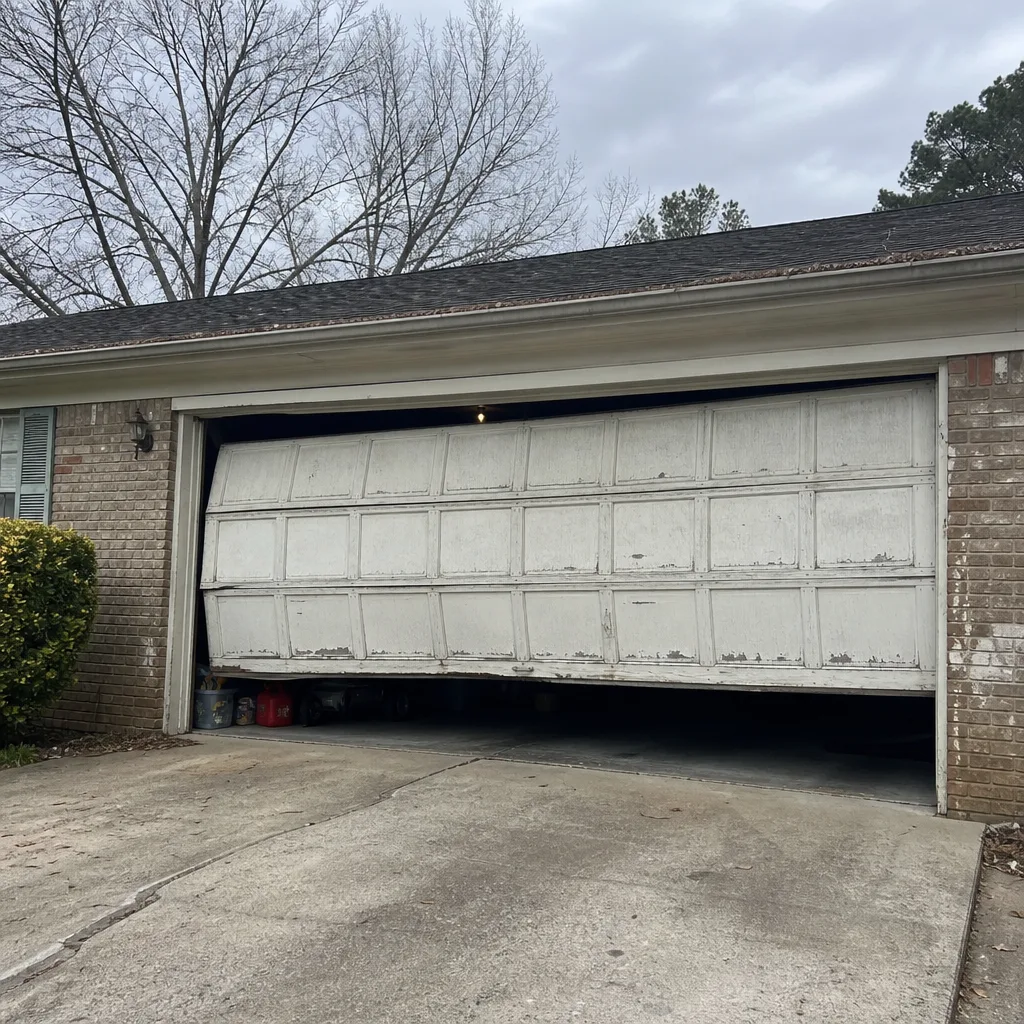 Before
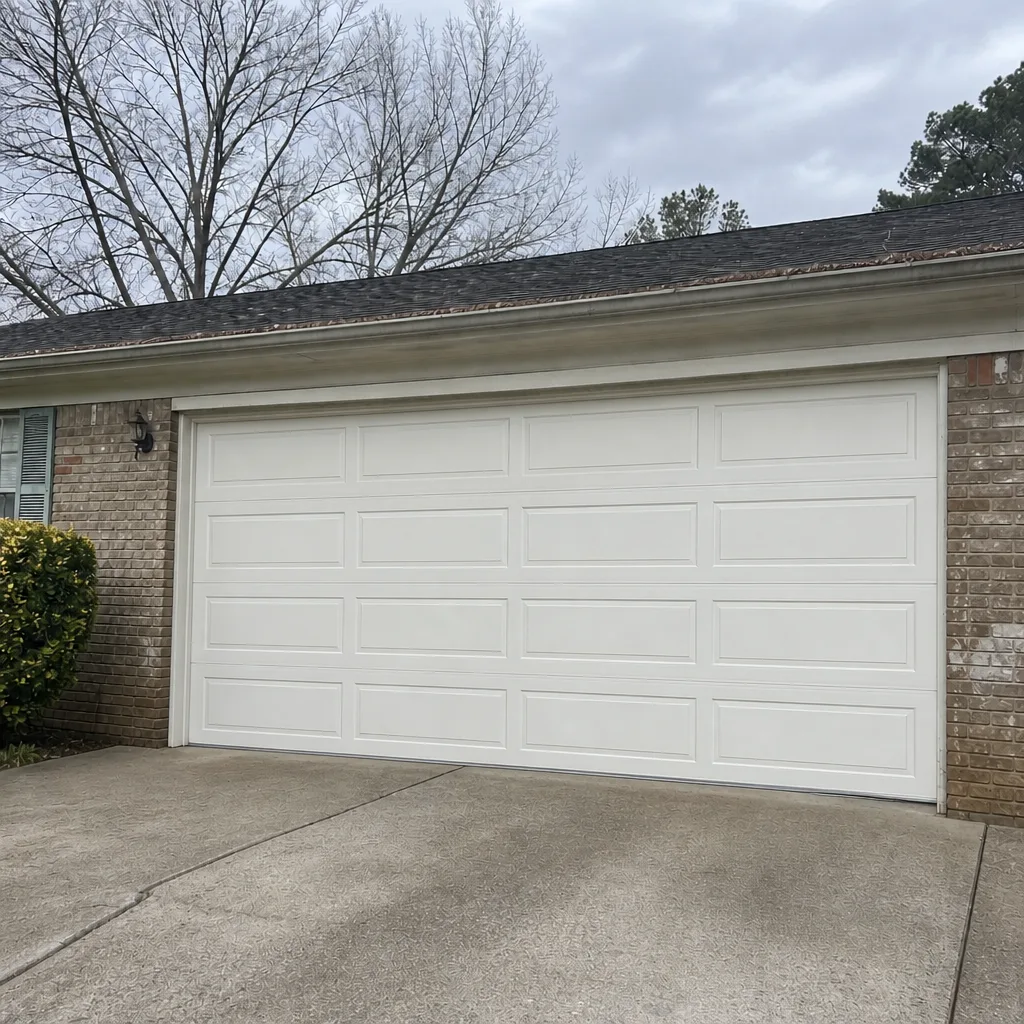 After
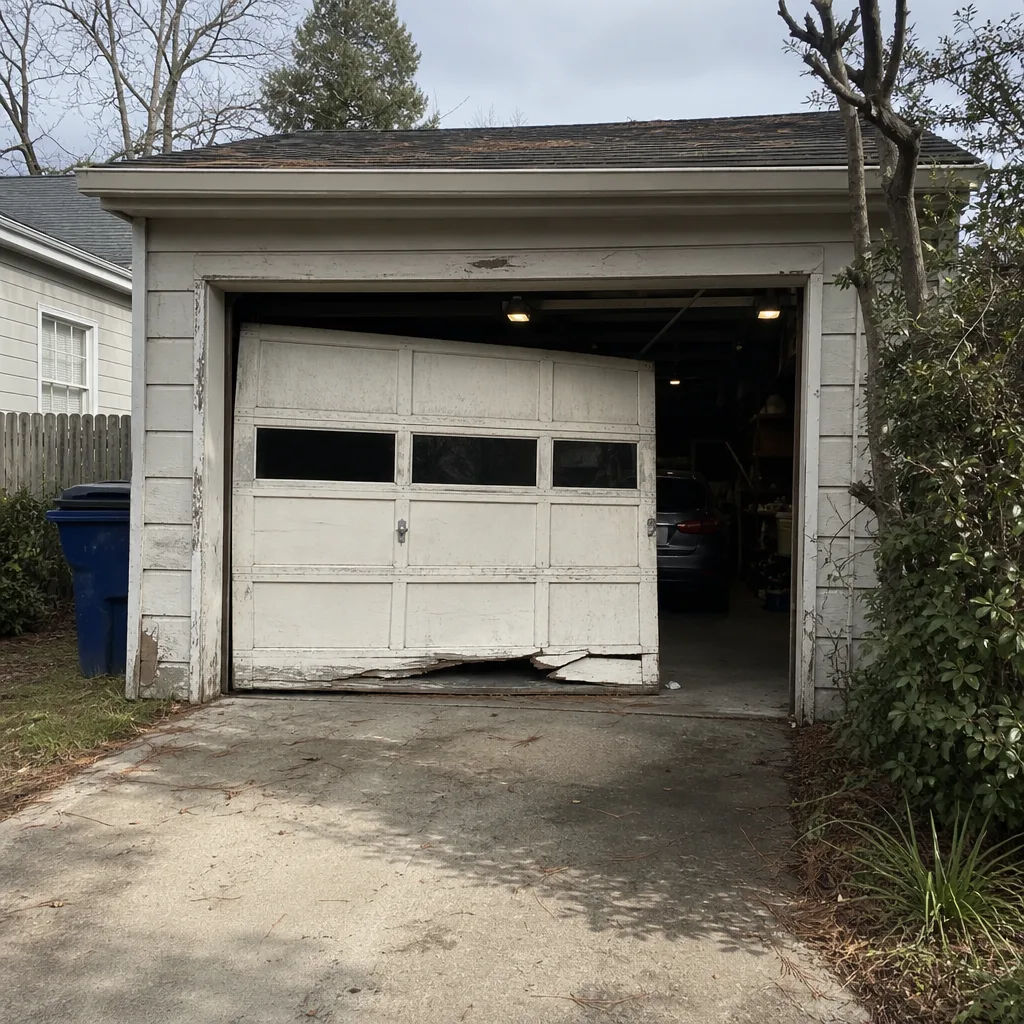 Before
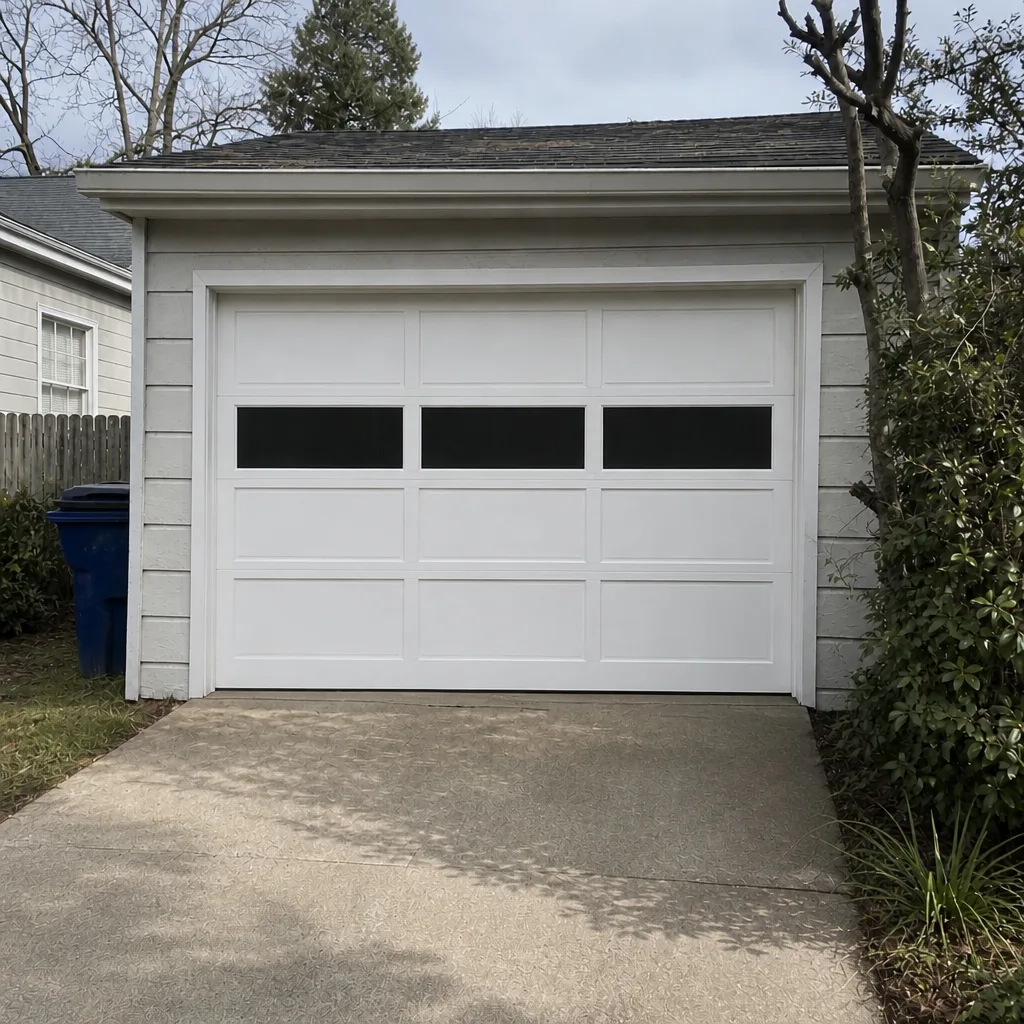 After
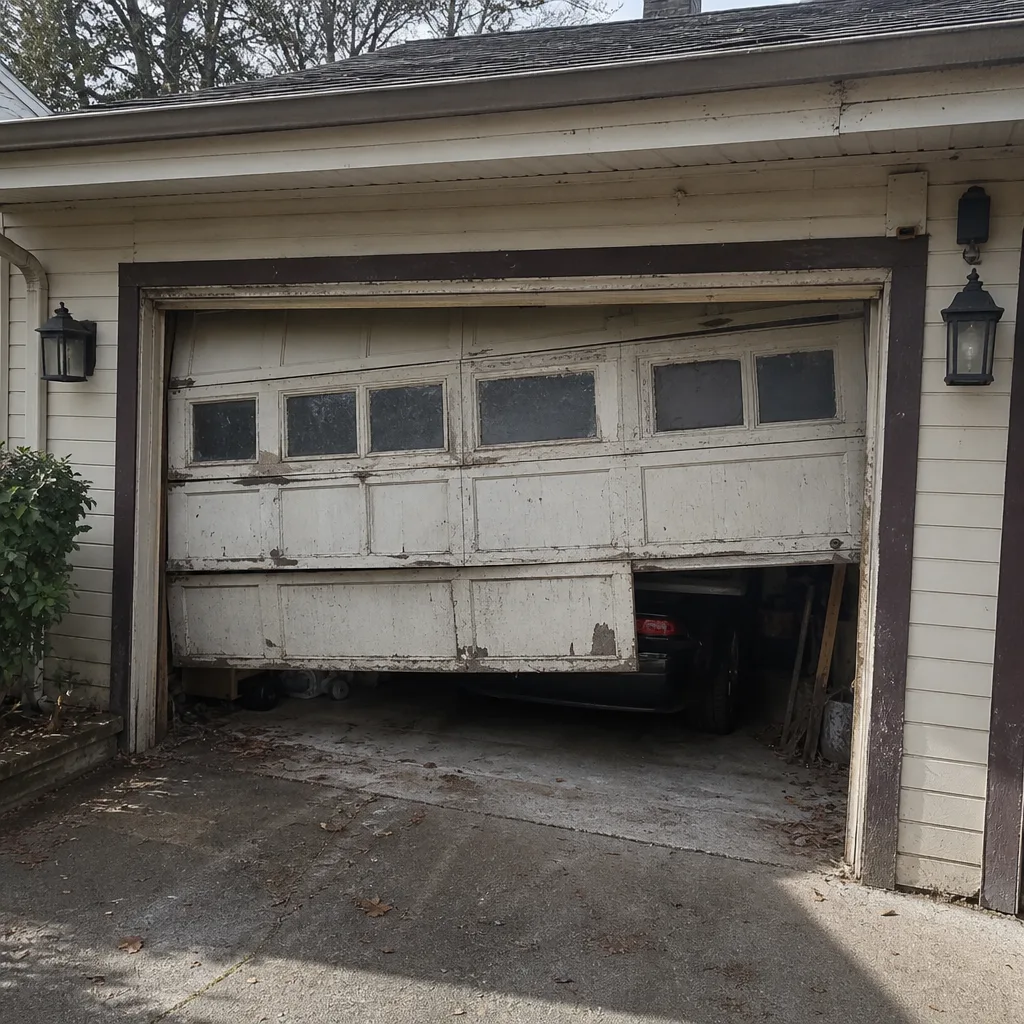 Before
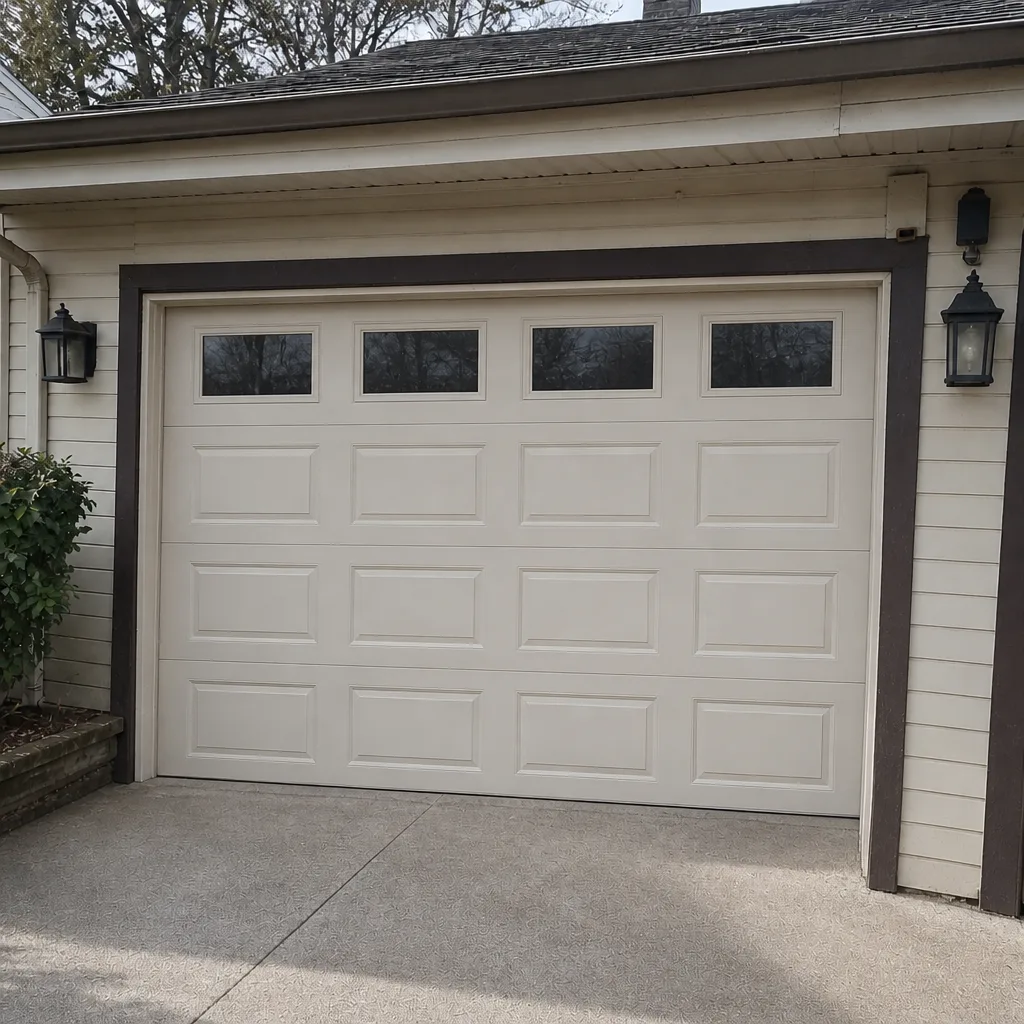 After
Common Mistakes to Avoid
- Assuming a same-size door means no permit. A door of the same dimensions but a different wind rating can still land on the permit side. Confirm the rating, not just the measurement.
- Submitting to the wrong jurisdiction. A homeowner in Bethesda or Parkwood may send a county application when the parcel is actually in the city, and the application sits while that gets sorted. Check your parcel before you file.
- Buying the door before checking the code. Ordering a door that doesn’t meet the required rating at your address means either returning it or installing it and dealing with the consequences at inspection.
- Skipping the permit to save time. The retroactive permit, inspection, and any corrective work usually costs more than permitting the job originally would have.
- Ignoring the label check before the final inspection. A door rated lower than the permit specifies fails final inspection, and the fix isn’t always quick.
- Letting a generalist handle a brand-specific opener issue. A LiftMaster or Genie opener has specific setup requirements that a generalist may not know, and guessing can damage the motor.
- Not asking the installer who files the permit. Make sure the contractor pulling the permit is filing with the correct office for your address, and get it in writing.
Frequently Asked Questions
In most cases, no permit is needed if the replacement is a true like-for-like swap of the same size and wind rating. A permit is generally required when the door’s wind-load rating changes, the opening is resized, or new structural work is involved. Call the Durham building department with your address and the door specs to confirm.
Permit fees vary by jurisdiction and project scope, and the building department sets the fee based on the work being permitted. We don’t quote permit fees as part of our estimate because the city or county determines them independently. Call (844) 460-7528 for a free estimate on the installation itself; the written quote covers our work, and the permit fee is set by the permitting office.
Yes. Properties inside the Durham city limits are permitted through the city, while unincorporated areas go through Durham County. The boundary areas around Bethesda and Parkwood are where homeowners most often get confused, so check your parcel records or call the building department before you file.
The required rating depends on the wind exposure at your specific address, which the Durham building department can tell you. A door’s spec sheet will state its design pressure rating, and that’s what the inspector checks against the permit. If you’re not sure which rating applies, ask the building department before you order a door.
Unpermitted work usually surfaces during a title search or a buyer’s inspection when you sell, and it can hold up a closing. Remediation involves filing a retroactive permit, passing an inspection, and correcting anything that fails, which usually costs more than permitting the job originally.
It can delay a closing, and lenders sometimes won’t clear the loan until the permit issue is resolved. The seller typically has to file a retroactive permit and pass inspection before the sale proceeds. If you’re buying, ask the seller for permit records before closing.
The Bottom Line
The permit question for a Durham garage door comes down to one thing: whether the replacement changes the door’s rated performance or the opening itself. A true like-for-like swap is usually maintenance. An upgrade, resize, or structural change is usually a permit. Confirm your jurisdiction (city vs. county) before you file, get the door’s wind-rating documentation from your supplier, and let the inspection happen on the way through rather than years later under a buyer’s deadline. If you’re unsure, call the Durham building department or call us and we’ll walk through it with you.
For garage door repair, garage door opener repair, or a full replacement in Durham, Durham Garage Door Service offers free estimates. Call (844) 460-7528. We answer 24/7. Fast dispatch from 7am to 7pm, Sunday through Friday. The price is quoted and agreed before any work starts.
Written by the team at Durham Garage Door Service.